Child pneumonia exams unreliable
A national study finds doctors often disagree on lung sounds when diagnosing pneumonia in children, highlighting limitations of physical exams alone.
A new national study has found that physical examinations may not reliably diagnose pneumonia in children. The research, published on August 20, 2026 in JAMA Network Open, reveals significant inconsistency between doctors when interpreting key lung sounds.
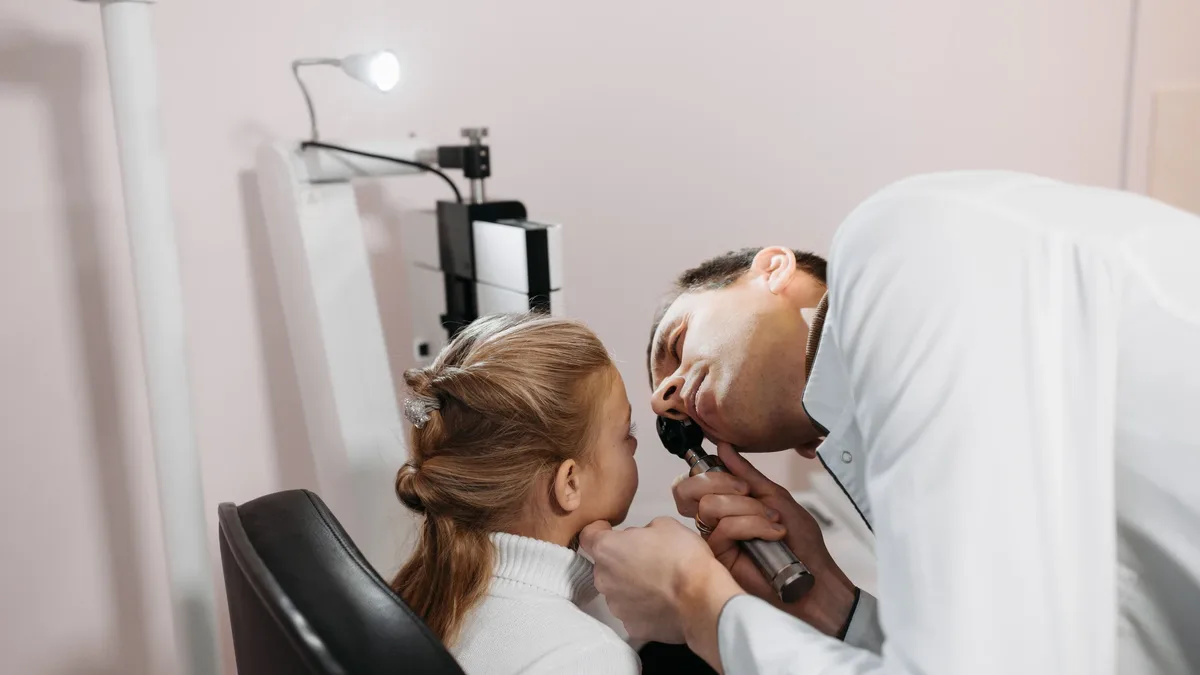
Led by physician-scientists from Ann & Robert H. Lurie Children's Hospital of Chicago and the Pediatric Emergency Care Applied Research Network (PECARN), the study involved 252 children aged 3 months to 17 years. Each child, diagnosed with pneumonia at one of seven pediatric emergency departments, was examined by two different doctors within an hour. The physicians independently recorded their physical exam findings.
Doctors Did Not Always Hear the Same Thing
The results showed that doctors frequently disagreed on common lung sounds used to identify pneumonia. According to the study's principal investigator, Dr. Todd Florin of Lurie Children's, two doctors can examine the same child and come away with different findings. The sounds crackles, decreased breath sounds, and rhonchi were identified inconsistently.
Wheezing and signs of increased work of breathing were more consistently recognized. Even these, however, did not meet the study's standard for strong agreement. Dr. Shubhada Hooli, assistant professor at Baylor College of Medicine, noted that several findings traditionally considered important were identified inconsistently between emergency department providers. This inconsistency was observed both in children sent home and those admitted to the hospital.
The Challenge of Diagnosis and Treatment
Accurate diagnosis is critical. Pneumonia is a common respiratory infection in children, responsible for nearly 2 million outpatient visits and 375,000 emergency department visits annually in the U.S. Current guidelines recommend diagnosis based on symptoms and physical exam for otherwise healthy children who can be treated at home, without routine chest X-rays.
A wrong diagnosis can lead to unnecessary antibiotic treatment or a failure to provide needed medication. The study notes that approximately two-thirds of children with community-acquired pneumonia experience side effects from antibiotics. Better diagnostic consistency could help target antibiotic use more effectively.
The Search for Better Tools
The researchers argue that more objective tools are needed to support clinical decisions. Dr. Florin stated that while the stethoscope remains important, ways must be found to make pneumonia diagnosis more accurate and consistent. Potential aids mentioned in the study include electronic stethoscopes that record sounds, computer programs for sound analysis, improved imaging techniques, and blood or other tests for pneumonia signs.
The study was conducted through PECARN, a national network focused on improving emergency care for children. The findings suggest that supplementing the physical exam with other tools could help ensure children who need treatment receive it, while avoiding unnecessary antibiotics for others.