Alcohol Cuts Anti-PD-1 Therapy Success by 50%
A new study finds moderate-to-heavy alcohol consumption reduces the effectiveness of anti-PD-1 immunotherapy in lung and bladder cancer by half, increasing relapse risk by impairing key immune cells.
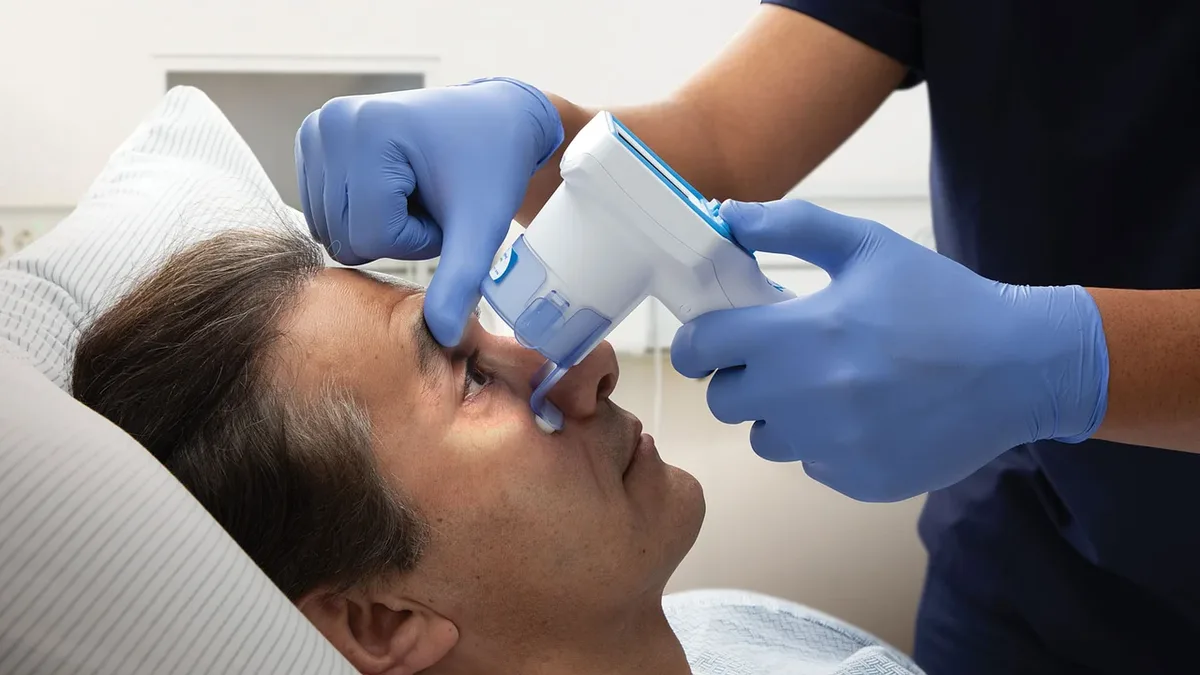
A new study finds moderate-to-heavy alcohol consumption reduces the effectiveness of anti-PD-1 immunotherapy in lung and bladder cancer by half, increasing relapse risk by impairing key immune cells.

Users of Withings sleep trackers can now share up to 14 nights of data directly with Dreem Health's virtual sleep clinic before a consultation, bridging consumer tracking with medical evaluation for conditions like sleep apnea.

The World Health Organization reports 89% of countries have national antimicrobial resistance action plans, but only 22% have funded them.

Insufficient sleep costs the US up to $411 billion yearly, driving corporate focus on sleep as essential cognitive infrastructure.

Artificial intelligence is transforming neuroscience by analyzing massive brain datasets and fostering open collaboration.

A large NIH study of over 14 million sleep records finds that better social, economic, and healthcare conditions are linked to significantly longer and more consistent nightly sleep.

Sleep.ai raised $5.3 million to grow its device-agnostic sleep intelligence platform and its reimbursed German prevention program, Dein Schlaf.

Up to one in five people experience sleep paralysis, a terrifying hybrid sleep-wake state causing vivid hallucinations.

A large study of sleep apnea patients reveals hypoglossal nerve stimulation is linked to a lower diabetes risk but a higher hypertension risk.

The FDA is requiring new safety labels for all GLP-1 receptor agonist drugs, warning of a potential increased risk of a rare eye condition called NAION that can cause sudden vision loss.

A UTHealth Houston study finds adults with obesity who eat late and sleep later have more metabolic syndrome risk factors, linked to gut microbiome disruption and leaky gut.

A University of Michigan pilot study found a mobile app delivering daily positive activities was highly engaging for dementia caregivers.

A mouse study published in Neuron shows that suppressing specific hippocampal neurons during non-REM sleep impairs memory consolidation without altering sleep architecture, linking acetylcholine levels to ripple-associated memory processes.

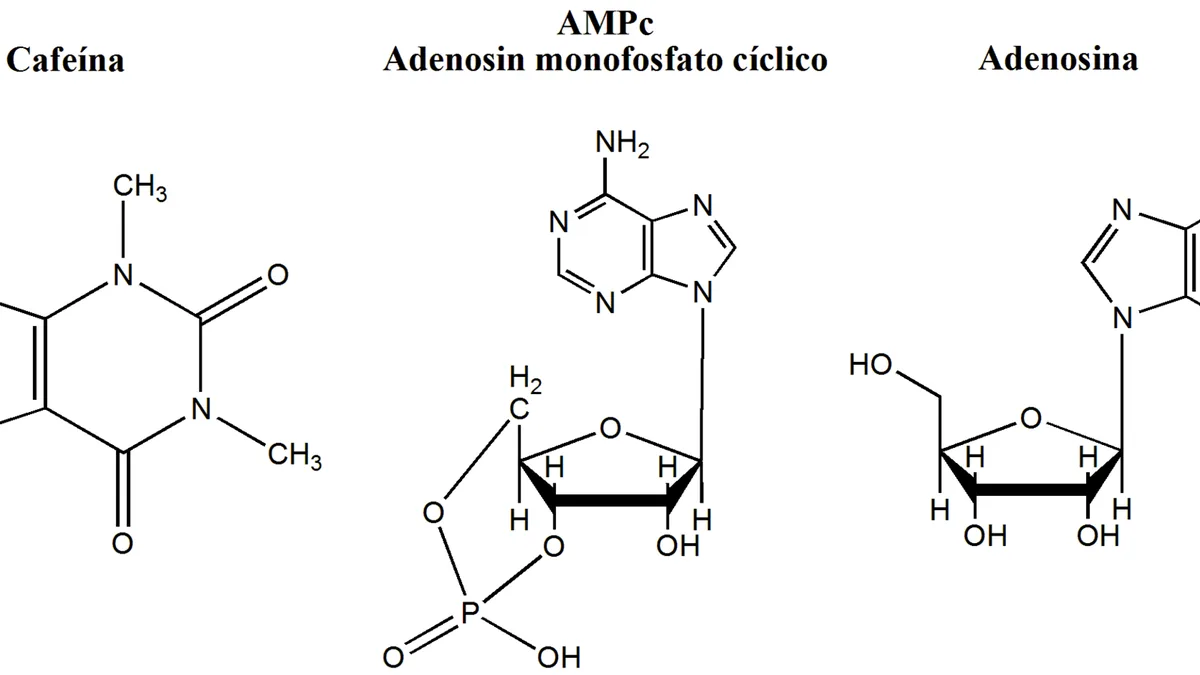
Adenosine receptor antagonism · 15 to 60 minutes after ingestion
Sleep hygiene routine · Behavioral intervention to improve sleep...
Anillos De Seguimiento · Sleep tracking rings
Sound generator · Sleep aid and relaxation
Obstructive Sleep Apnea (OSA) · Repeated pauses in breathing during sleep
Apple Inc. · 2010s (decade)
Urban and peri‑urban · Peru
United States · 2010s

The once-weekly injectable drug retatrutide led to an average 25% weight loss and a 50% pain reduction for two-thirds of overweight osteoarthritis patients in major trials.

A survey of 534 NHS night shift staff found 71% likely have shift work disorder, a condition linked to anxiety, depression, and accidents.

UnitedHealthcare eliminated prior authorization for over 2,000 pediatric care codes, including sleep studies, effective December 1, for patients under 18 across commercial and Medicaid plans.

A new NIH study finds higher blood levels of 'forever chemicals' PFOA and PFOS are associated with a significantly increased risk of developing ER-negative breast cancer, a more aggressive subtype.

The FDA-approved drug Orzeyful addresses the core orexin deficiency in narcolepsy type 1, reducing cataplexy and improving wakefulness.

Ballet legend Wayne Sleep, 78, has announced his cancer treatment is working and he is on the mend after undergoing therapy since the summer at the Royal Marsden.

A new in-ear EEG device receives regulatory clearance for long-term home monitoring, while separate research uncovers how immune cells influence cancer cell behavior.

The U.S. House passed a bill to make Daylight Saving Time permanent, a move sleep experts warn could disrupt sleep schedules and increase risks of morning accidents and health issues.

Clocks turn back one hour at 2 a.m. on Sunday, November 1, as daylight saving time ends. Experts advise starting adjustments a few days early and using morning light to reset your internal clock.

Carnyx Therapeutics' first-in-class oral sleep candidate CNYX-005 has entered IND-enabling development after preclinical data showed it increased total sleep time by 1.5 to 2 hours in aged rats, primarily by boosting NREM sleep.

A new review finds ketone ester supplements taken after hard evening workouts improve sleep efficiency and preserve REM sleep in athletes.

The end of daylight saving time on November 1, 2026, offers an extra hour of potential sleep, which may provide short-term mental health benefits.
Sleep, taken as a problem and the routine or treatment that addresses it. Sleep problems holds the complaints, Routine and habits the routines, The science of sleep the research, Environment the bedroom itself, and Situations the cases such as shift work and travel.
No. It reports what researchers, clinicians and named publications have published about sleep problems, and none of that is a diagnosis of yours. Persistent insomnia, snoring with pauses in breathing or daytime collapse needs a doctor.
Yes, in every piece, with a link to the original. A finding that comes from a single study is attributed to that study rather than presented as established, and no source text is reproduced verbatim.
No. Environment reports what has been published about light, noise, temperature and bedding, and there are no product tests, rankings or affiliate links anywhere on the site.
Nobody is credited by name. Pieces are written with automated assistance from the source reporting, and the publication behind them is credited in place of an author.
Nothing. No cookies are set, no analytics run, and nothing loads from a third-party host.