Sleep Paralysis Bridges Neuroscience and Cultural Belief
Up to one in five people experience sleep paralysis, a terrifying hybrid sleep-wake state causing vivid hallucinations.
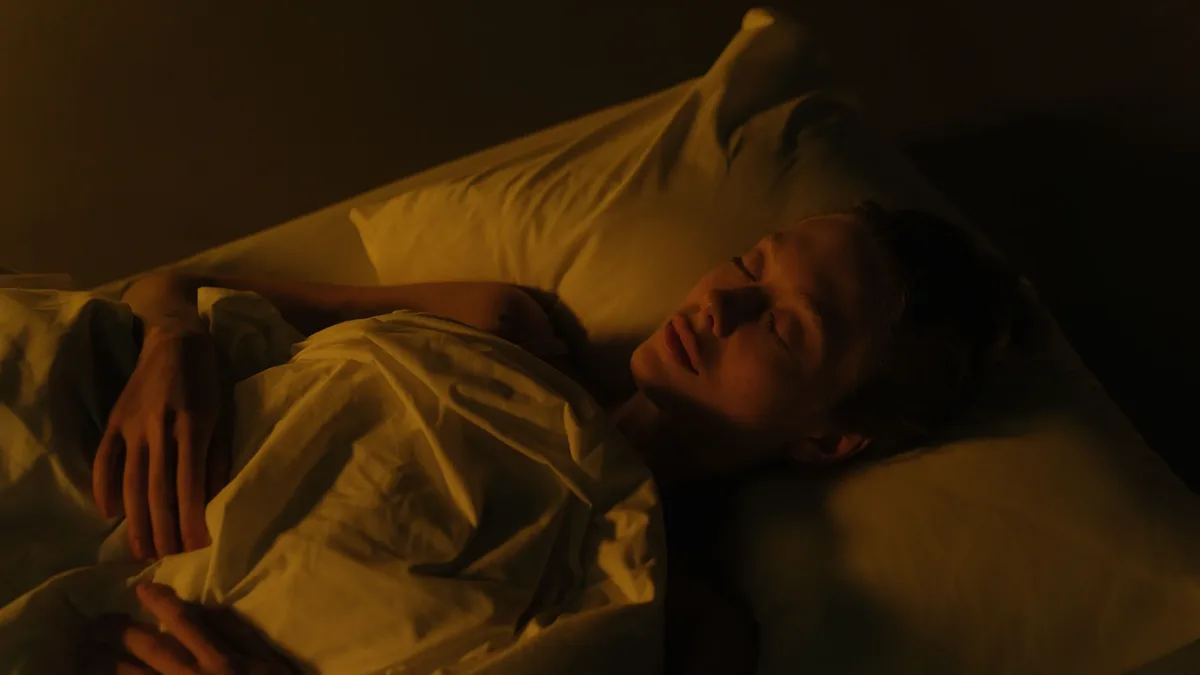
Up to one in five people have experienced the terrifying brain glitch known as sleep paralysis. This condition causes vivid hallucinations and complete physical paralysis during the transition between sleep and wakefulness, with episodes lasting from seconds to several minutes.
Harvard neuroscientist Baland Jalal experienced it frequently as a teenager in a Copenhagen neighbourhood. He describes vivid hallucinations of a malevolent entity approaching his room. "What you get very close to in sleep paralysis is that subjective world of the mind. It’s very hard to put into words," Jalal said. The experience can become chronic and cause lasting emotional trauma, with some perceiving the brief episodes as much longer.
Neuroscience explains the hallucinatory experience
Sleep paralysis occurs during REM sleep, when the brainstem induces muscle paralysis. The sensory cortex may partially awaken while the body remains immobile, creating a blurred boundary between dream and waking states. This hybrid state activates the brain's fear and perception systems.
The amygdala's activation heightens fear, which can make hallucinations feel more terrifying. The mysterious presence often reported is thought to be the brain's attempt to make sense of the body's paralysis. Anxiety can both trigger episodes and be worsened by them. A 2004 study found that listening to recordings of their own sleep paralysis experiences caused participants' heart rates and sweating to increase, a stress response comparable to PTSD. These hallucinations are genuine perceptual events, linked to the same serotonin 2A receptors activated by psychedelic substances.
Cultural narratives shape the experience
Local beliefs profoundly influence what people see and feel during an episode. Common figures like 'the man in the hat' resemble pop culture icons such as Freddy Krueger. Experiences vary by region, with reports of jinn in Egypt or aliens among science fiction enthusiasts.
The condition is more prevalent and chronic in cultures with deeply embedded stories about it, such as Italy and Egypt, where sufferers may report episodes lasting hours. Jalal argues that exploring sleep paralysis can deepen our understanding of the mind. He notes that even atheists can become open to non-material possibilities after an episode. His book, The Phantom Mind, explores this brain glitch as a window into the borderlands of sleep.
Managing chronic episodes through mindset
Practical mental strategies can reduce the frequency and distress of chronic sleep paralysis. Jalal's recommended approach includes closing the eyes to reduce external stimuli, consciously reframing the experience as harmless, and accepting the paralysis without fighting to move.
A small pilot study in Italy with frequent sufferers, many of whom had narcolepsy, tested this strategy. Participants who worked to reduce their anxiety about the condition saw a 50 percent reduction in episode frequency. Jalal's personal journey from terrifying teenage episodes in Copenhagen to his research at Harvard shows the mind's central role in this unsettling phenomenon.