Apnea Del Sueno
| Medical name | Obstructive Sleep Apnea (OSA) |
|---|---|
| Primary symptom | Repeated pauses in breathing during sleep |
| Typical treatment | Continuous Positive Airway Pressure (CPAP) therapy |
| Common diagnostic method | Polysomnography (sleep study) |
| Key risk factors | Obesity, anatomical airway narrowing, age |
| Primary physiological effect | Intermittent hypoxia (low blood oxygen) |
| Associated conditions | Hypertension, cardiovascular disease, daytime sleepiness |
Origin and history
Apnea del Sueño is the Spanish term for the sleep disorder known in English as Sleep Apnea. The clinical recognition of this disorder, characterized by repeated breathing interruptions during sleep, has evolved over centuries. Early medical descriptions of symptoms resembling sleep apnea, such as excessive daytime sleepiness and loud snoring, can be found in historical texts from various cultures. However, the formal medical definition and understanding of sleep apnea as a distinct syndrome emerged primarily in the 20th century. The development of polysomnography, a comprehensive sleep study, in the latter half of the 20th century was pivotal in allowing for its accurate diagnosis. The term "apnea del sueño" itself originates from the Spanish language, deriving from the Greek "apnoia" meaning "without breath," and is used broadly across Spanish-speaking medical communities.
What it is for
Apnea del Sueño refers to a disorder where an individual's breathing repeatedly stops and starts during sleep. The primary purpose of identifying and treating this condition is to restore normal, uninterrupted breathing throughout the sleep cycle. This restoration is crucial for maintaining adequate oxygen levels in the blood and preventing the severe fragmentation of sleep architecture. Effective management aims to eliminate the classic symptoms, which include loud chronic snoring, witnessed breathing pauses, and excessive daytime fatigue. Furthermore, treatment seeks to mitigate the long-term health risks associated with untreated sleep apnea, such as hypertension, cardiovascular disease, and metabolic disorders. Ultimately, addressing Apnea del Sueño is for improving overall quality of life, cognitive function, and long-term health outcomes for the affected individual.
Pros and cons
A primary pro of effectively treating Apnea del Sueño, often with Continuous Positive Airway Pressure (CPAP) therapy, is the dramatic improvement in daytime alertness and cognitive function. Patients frequently report a profound reduction in daytime sleepiness and a renewed ability to concentrate. Another significant advantage is the potential reduction in the risk for serious comorbidities like stroke, heart attack, and type 2 diabetes. However, a major con is the common difficulty with initial adherence to the primary treatment, CPAP, as many users find the mask uncomfortable or the machine noise disruptive. A frequent mistake is abandoning the therapy after only a few nights without consulting a sleep specialist for adjustments to mask fit or pressure settings. Individuals often regret choosing a treatment path without proper support and education, leading to non-compliance and a return of debilitating symptoms, while those who persist through the adjustment period typically achieve substantial benefits.
Who it suits
Diagnosis and treatment for Apnea del Sueño suits individuals who exhibit the hallmark symptoms of the disorder, such as loud snoring, observed apnea episodes, and unexplained excessive daytime sleepiness. It is particularly critical for individuals with specific risk factors, including obesity, a thick neck circumference, or a family history of sleep apnea. The condition also commonly suits middle-aged and older men, though it is certainly not exclusive to this demographic and affects women and children as well. Treatment via CPAP therapy typically suits those with moderate to severe obstructive sleep apnea, where airway collapse is significant. For those with mild apnea or who cannot tolerate CPAP, alternative treatments like oral appliance therapy or positional therapy may be more suitable. Ultimately, a formal sleep study is required to determine the severity and type of apnea, guiding the recommendation for which specific treatment regimen best suits the patient's individual condition.
Latest Apnea Del Sueno news
Latest reporting
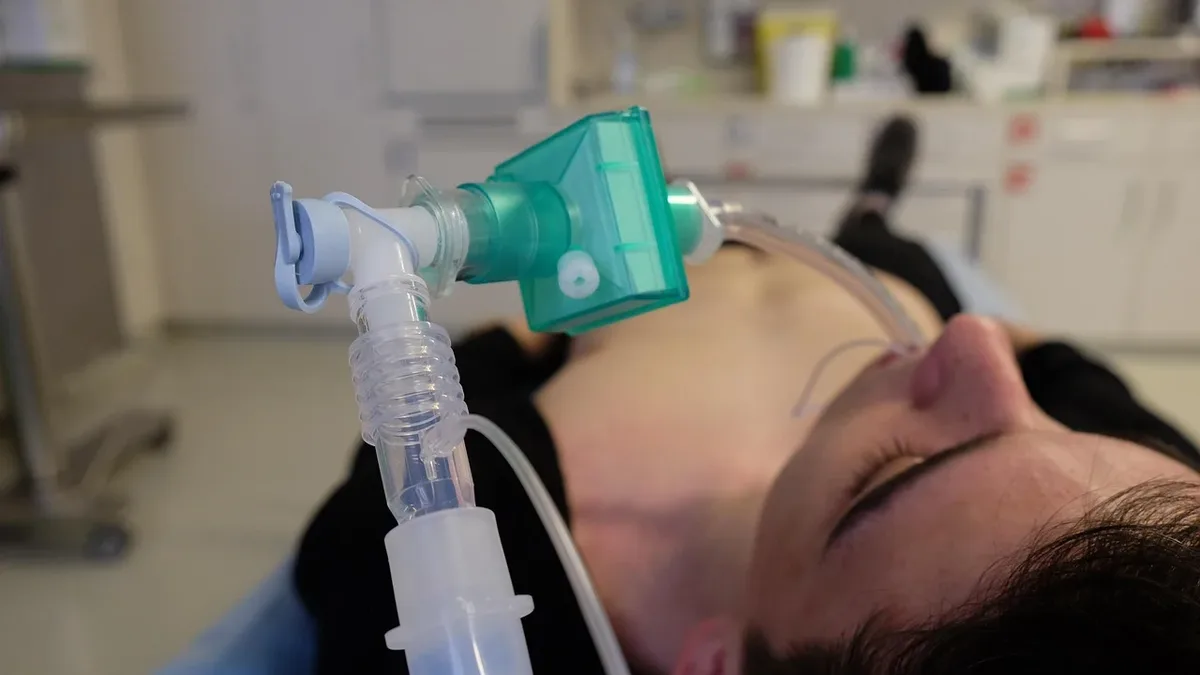
Jaw Pain Disorder Linked to Higher Sleep Apnea Risk
A new study finds patients with temporomandibular disorder are significantly more likely to screen at high risk for obstructive sleep apnea...
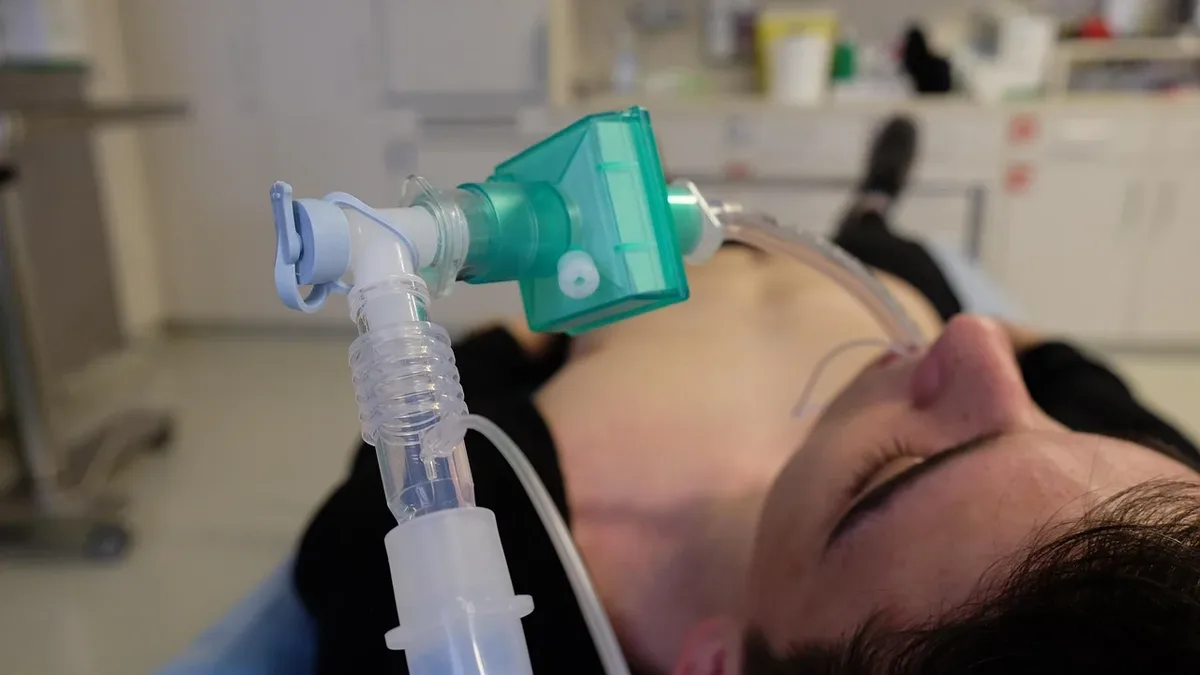
FDA Clears iNOS Intraoral Biosensor for Sleep Apnea
The FDA has cleared a new intraoral biosensor that treats mild to moderate obstructive sleep apnea while continuously monitoring blood oxygen levels.
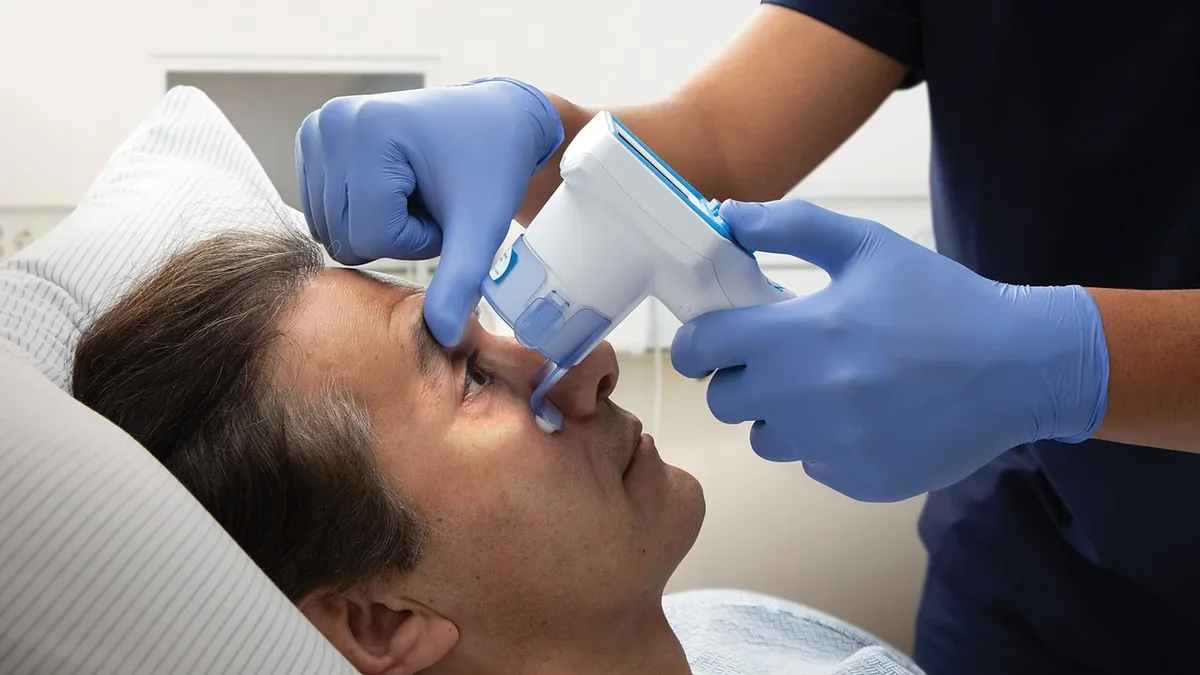
Sleep Apnea Diagnosis: Why 'Mild' Can Be Misleading
A sleep physician argues the term 'mild OSA' is often misinterpreted, leading to under-treatment. The apnea-hypopnea index (AHI) alone fails to...

AI Chatbots Often Wrongly Reassure Sleep Apnea Patients
A study presented at the European Respiratory Society Congress found that in one-third of simulated conversations, AI chatbots gave incorrect...
FDA Approves Aura6000, Bringing Hypoglossal Nerve
The FDA has approved the Aura6000 device, making it the third hypoglossal nerve stimulation system for treating obstructive sleep apnea in patients...
Medical-Dental Sleep Collaboration Model Explained
Sleep physician Mark Rasmus and dental sleep practitioner Jamison Spencer will detail their nearly 20-year collaborative model for treating sleep...