Medicare's $50 GLP-1 Discount Excludes Sleep Apnea Patients
A new Medicare pilot offers GLP-1 weight-loss drugs for $50 monthly, but patients with FDA-approved conditions like obstructive sleep apnea are excluded, facing copays of hundreds of dollars instead.

A new Medicare pilot program offering GLP-1 medications for $50 a month is excluding patients who have conditions the drugs are approved to treat, including obstructive sleep apnea. The 18-month Medicare GLP-1 Bridge program launched in July to provide Wegovy, Zepbound, and Foundayo at a deep discount, but its fine print routes patients with qualifying medical diagnoses back to standard, costly insurance plans.
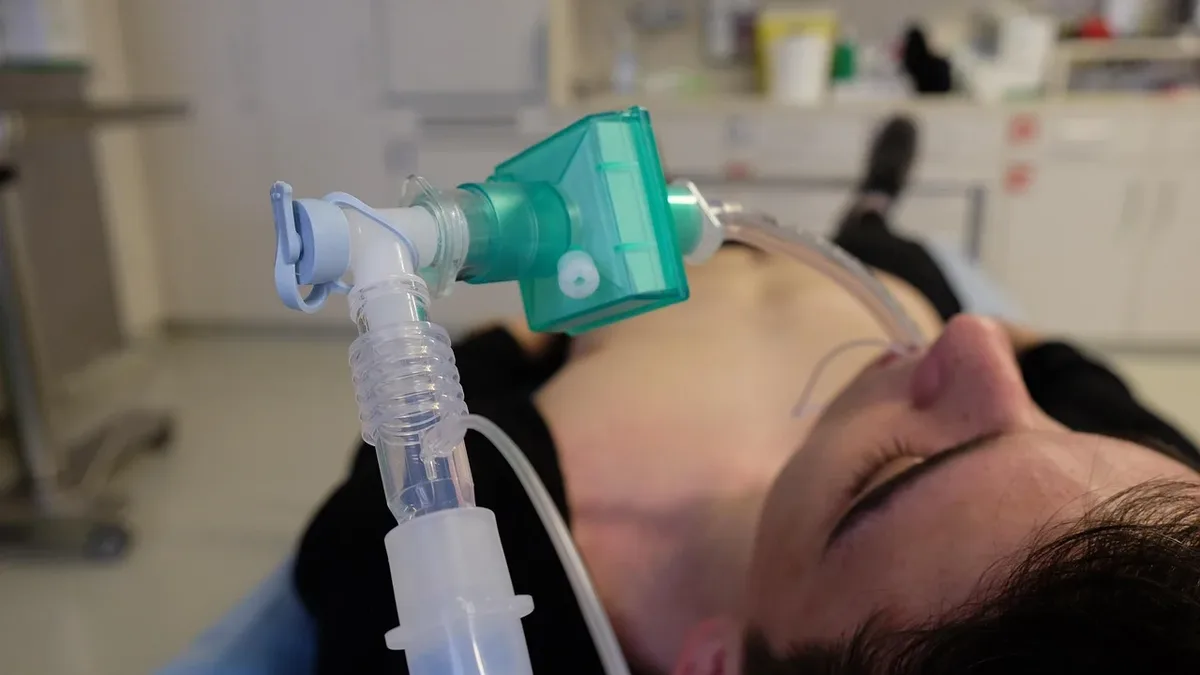
Jeff La Marca, a 68-year-old from Basking Ridge, New Jersey, discovered this barrier firsthand. After receiving a prescription for Zepbound, he was denied entry to the Bridge program. La Marca has a body mass index of 42, a history of heart bypass surgery, and is prediabetic. He also has severe obstructive sleep apnea. He believes this diagnosis is what disqualified him. "I'm obese, morbidly obese, BMI 42. I had quadruple heart bypass surgery. I'm at risk for stroke. I'm prediabetic." he said.
How the Bridge Program Works
The temporary program is designed to test whether covering weight-loss drugs saves Medicare money long-term. It is open to enrollees in Medicare Part D prescription drug plans. Eligibility is based primarily on BMI, with some allowances for other risk factors.
| BMI Range | Additional Qualification Required |
|---|---|
| 35 or higher | None |
| 27 to 34 | Yes (e.g., prediabetes, cardiovascular disease) |
The critical, and for some surprising, rule is that the $50 price applies only to individuals using the drug solely for weight loss. If a patient has a condition like Type 2 diabetes or moderate to severe obstructive sleep apnea-ailments the FDA has approved GLP-1s to treat-they are ineligible for the discount. They must seek coverage through their standard Part D plan, where monthly copays can range from $200 to over $600.
Juliette Cubanski, who directs the Program on Medicare Policy at KFF, explained the intent. The Bridge program was designed to target those people who can't get GLP-1 coverage through Part D but would benefit from taking one for weight loss. A spokesperson for the Centers for Medicare & Medicaid Services said the initial weeks have been positive, with most prior authorizations processed in under 12 hours.
The High Cost of Coverage
For patients who do qualify for standard Part D coverage, affordability remains a severe hurdle. Taylor Lacy, a primary care physician in Kansas, is a proponent of GLP-1s but notes the financial strain. "'Coverage' doesn't always mean 'affordable,'" she said. She points out that patients often endure lengthy prior authorization and step therapy protocols only to face prohibitive pharmacy counter costs. This leaves those with the greatest medical need, like La Marca, in a difficult position.
Researchers have found that Medicare recipients face increasing out-of-pocket costs for these drugs, with nearly all plans requiring prior authorization. The insurance industry trade group AHIP placed blame on drug manufacturers' prices, which they alone set and they alone can lower.
Market Forces and Future Costs
Beyond Medicare, the high cost of GLP-1s is attributed to complex market factors. Pharmacy benefit managers (PBMs), which manage drug benefits for insurers, are often cited. These middlemen negotiate rebates from drugmakers, but critics argue those savings are not passed to patients. One estimate suggests PBMs capture up to 40% of gross drug revenue through rebates. Switching to a fixed-payment model could lower pharmacy counter prices by up to 15%.
Competition among manufacturers is also driving some price reductions. Novo Nordisk launched a direct pharmacy offering Wegovy at $499 monthly, a $150 saving. Eli Lilly created a self-pay channel for Zepbound to cut out third-party supply chain costs. These market-based moves are creating durable lower prices outside of government programs.
For now, Jeff La Marca's prescription remains unfilled. The severe sleep apnea that shows his medical need is the same condition that bars him from the affordable path. This is now my quest, because it's my only chance to improve my health, he said, his frustration clear. It's the only thing left. I've tried everything.