Lumie Sunrise Alarm Clocks Reviewed for Healthier Mornings
A review of sunrise alarm clocks highlights devices for circadian rhythm support, while a sleep medicine survey warns of the severe risks and prevalence of drowsy driving.
Two separate stories address different aspects of sleep health. The first details a hands-on review of sunrise alarm clocks designed to improve morning wakefulness. The second presents survey data on the widespread danger of drowsy driving and the ineffectiveness of common countermeasures.
Sunrise Alarm Clock Review
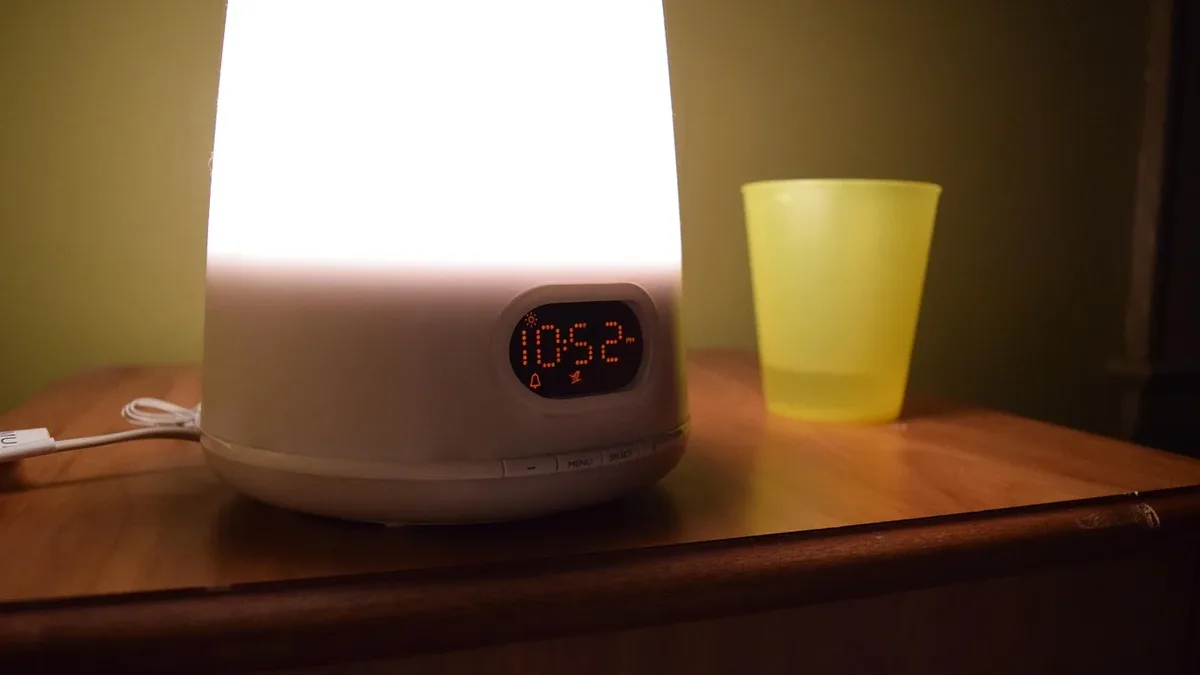
A reviewer tested ten sunrise alarm clocks, ultimately recommending eight models for their ability to simulate a dawn glow and support the body's circadian rhythm. The testing involved using each device for at least two nights to assess the quality of light, sound, and the resulting feeling of refreshment upon waking. Two of the alarms are medically certified for light therapy related to conditions like seasonal affective disorder.
The review provides specific recommendations and specifications for selected models. The Lumie Sunrise Alarm is highlighted as a budget option priced at £39.99, featuring a 30-minute sunrise duration and mood lighting. For heavier sleepers, the medical-grade Lumie Bodyclock Spark 100, priced at £98.46, offers an outstanding sunrise simulation and a sunset function. The reviewer notes the major personal impact of using these devices, stating the experience was a "gamechanger" for their previously difficult mornings.
| Model | Price | Key Feature | Certification | Sunrise Duration |
|---|---|---|---|---|
| Lumie Sunrise Alarm | £39.99 | Budget-friendly, good sunrise simulation | None | 30 minutes |
| Lumie Bodyclock Spark 100 | £98.46 | Medical-grade, realistic sunrise | Medical-grade for light therapy | Not specified |
Drowsy Driving Dangers Survey
A survey from the American Academy of Sleep Medicine found that 41% of adults have driven while so sleepy it affected their safety. Dr. Fariha Abbasi-Feinberg, president of the AASM, warned that drowsy driving puts all road users at risk and that no strategy substitutes for sufficient sleep. Common tactics people use to stay awake include drinking coffee (65%), opening a window (59%), and turning up the radio (52%), but these offer only a temporary and insufficient boost.
Research from the AAA Foundation for Traffic Safety indicates drowsy driving is a factor in more than one in six crashes, contributing to over 6,000 deaths annually. Jake Nelson, AAA's director of Traffic Safety Advocacy and Research, emphasized that driving after only four hours of sleep carries a crash risk comparable to driving drunk. He noted, "Coffee, fresh air, or a loud radio may make you feel more alert temporarily, but they cannot replace sleep." The AASM recommends adults sleep seven or more hours before driving and avoid late-night travel to prevent drowsy driving incidents.