Tsukuba Researchers Measure Sleep Quality at Population
Researchers at the University of Tsukuba are using home EEG devices, smartphone apps, and health records to objectively measure sleep quality in large
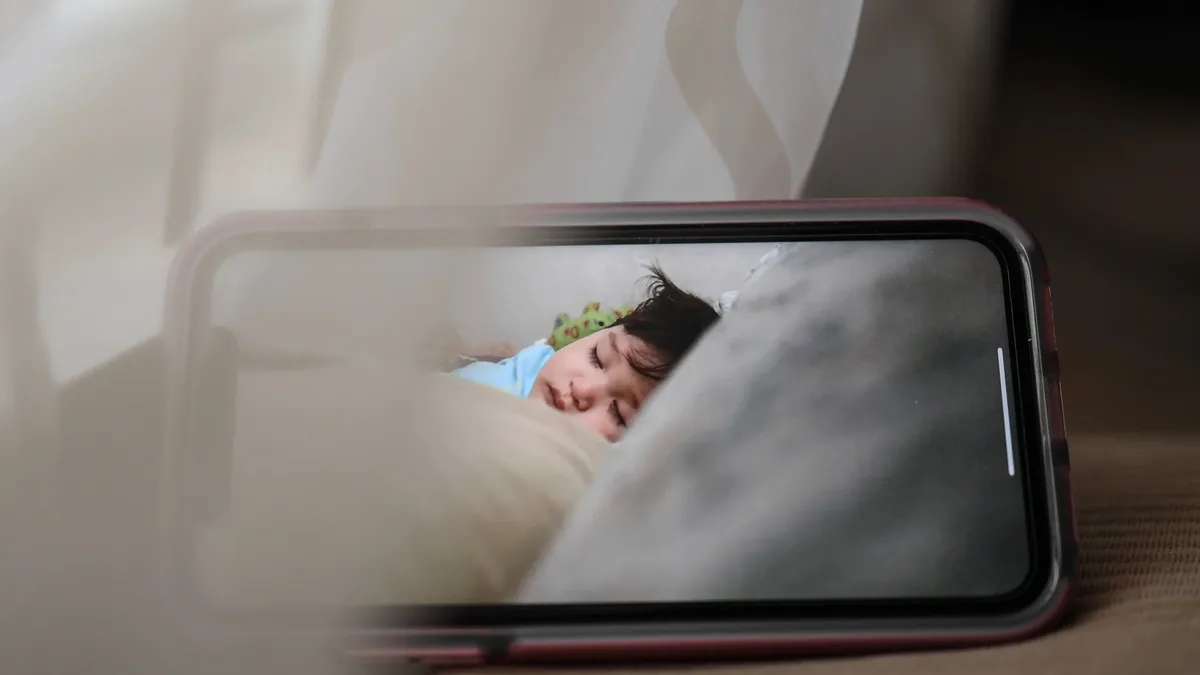
Researchers are deploying new tools to move sleep science from the clinic into daily life. Neuroscientist Masashi Yanagisawa and clinical epidemiologist Masao Iwagami from the University of Tsukuba in Japan are using varied approaches to capture sleep data on a massive scale, aiming to overcome the limitations of traditional, cumbersome measurement methods.
From Home EEG to Health Records
The team's work spans three distinct studies of increasing scale. First, they used a multichannel electroencephalography (EEG) device worn at home by 100 individuals over several nights. This high-fidelity approach revealed that objectively worse sleep quality was significantly associated with higher systolic blood pressure. Notably, this link was not found with subjective sleep quality reports.
Next, the researchers turned to a smartphone app. They analyzed over 2 million nights of data from nearly 80,000 working adults using the Pokémon Sleep app, which tracks rest via a phone's built-in motion sensor. The study connected raw sleep patterns directly to work outcomes.
The results showed that erratic sleep timing, known as social jetlag, and poor overall sleep quality strongly drive daytime performance deficits. This presenteeism translates into measurable losses in workplace productivity.
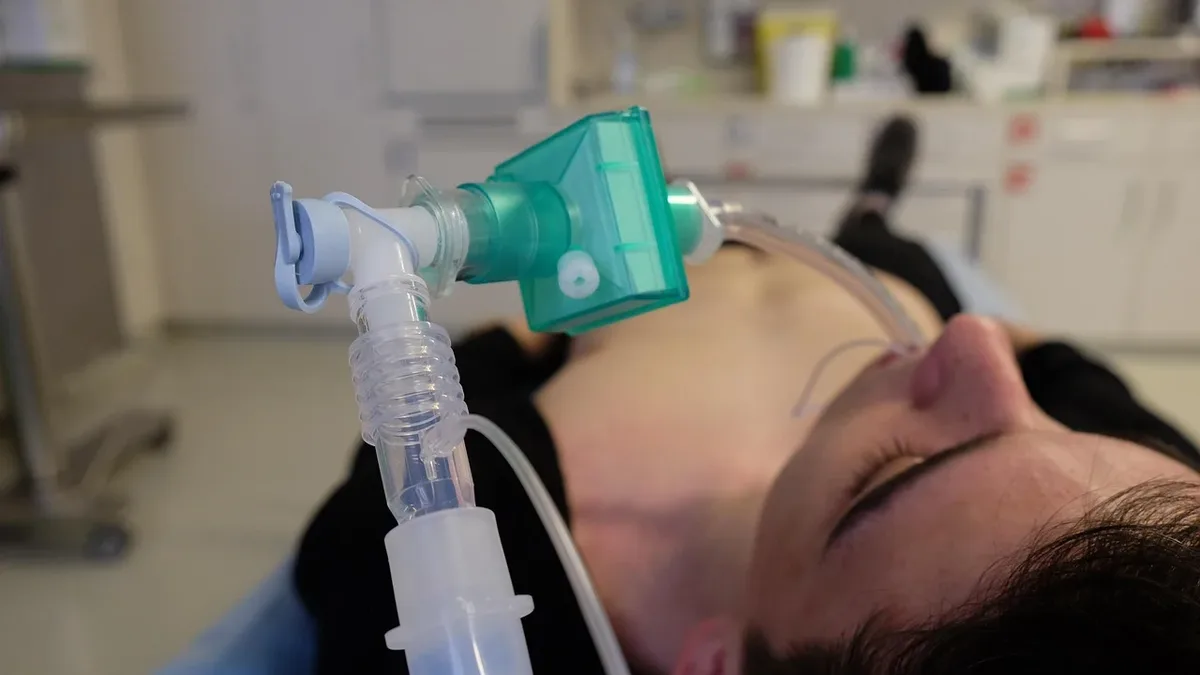
Their most recent work leverages electronic health records. By studying linked insurance claims, annual checkup data, and personal health records from the Pep Up app for more than 1.8 million people, the team built a prediction model. This model successfully identified individuals at high risk for the most severe form of sleep apnea.
Balancing Scale and Accuracy
Masao Iwagami explained the core challenge of this research. "As an epidemiologist, it's always about finding a balance between the sample size and accuracy of data collection," he said. Inpatient polysomnography offers accuracy but limits sample size. Mobile phone or smartwatch data are less accurate proxies but allow samples in the millions. Portable EEG devices, Iwagami suggests, have the potential to achieve both accuracy and large sample size.
A Closed-Loop Future for Sleep Health
The varied methods together create a more comprehensive picture of sleep. Looking forward, the Tsukuba team plans to integrate these digital sleep phenotypes with large-scale genomic and multi-omic data. Their ultimate goal is a closed-loop framework. It would use population-level data to interpret an individual's unique risk and provide highly customized preventive advice.
This shifting paradigm is seen as particularly vital for Japan. Masashi Yanagisawa notes the country is sometimes described as the world's most sleep-deprived nation. The research aims to raise awareness of sleep health among both clinicians and the general public.