Smartwatch Validated for Sleep Apnea Screening
A new study finds a consumer smartwatch can effectively screen for moderate-to-severe obstructive sleep apnea.
Recent research demonstrates the potential for a common wearable device to identify a serious sleep disorder. A separate, personal account details the journey of a young person diagnosed with a circadian rhythm condition.
Smartwatch Screening for Sleep Apnea
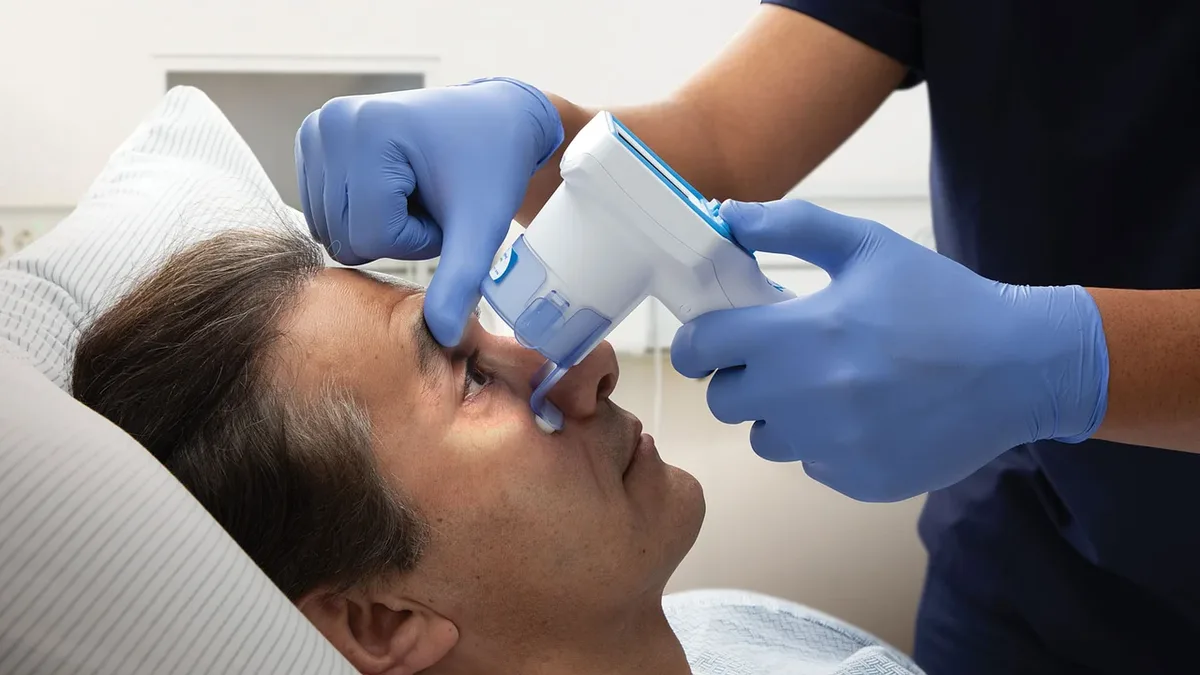
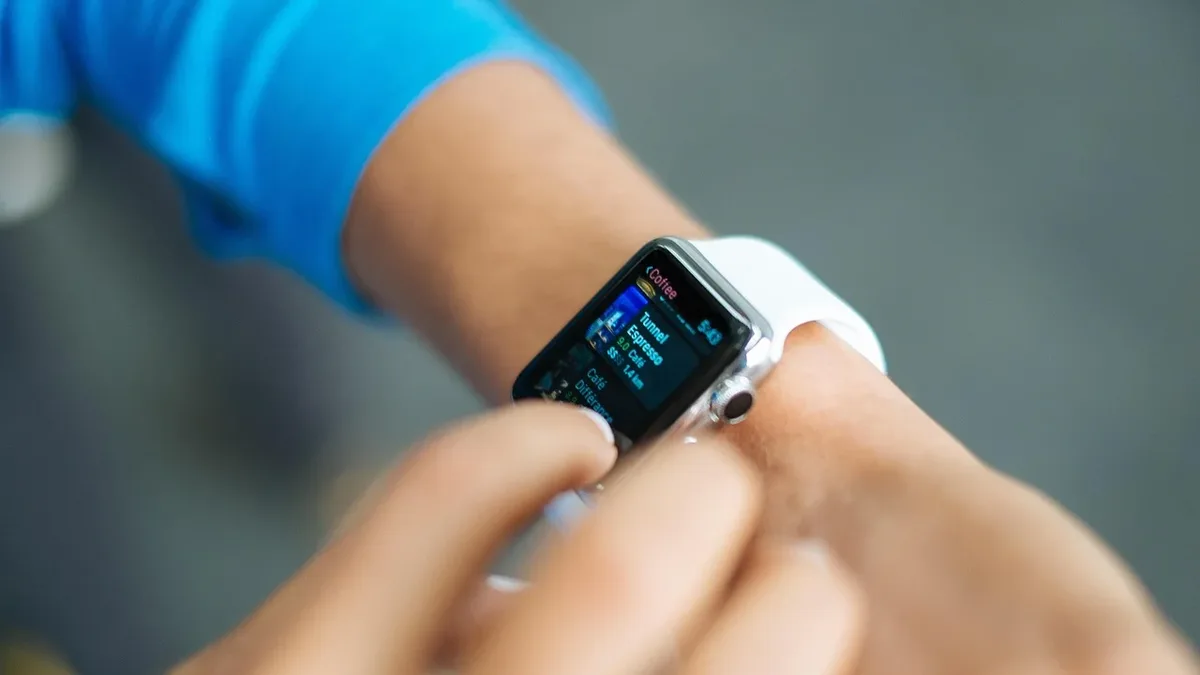
A study published on August 27 in the Journal of Clinical Sleep Medicine found the Samsung Galaxy Watch can help screen adults for moderate-to-severe obstructive sleep apnea. The device correctly identified those with the condition 94% of the time at its default setting, using data from 147 participants with an average age of 54.
Principal investigator Dr. Robson Capasso, a professor at Stanford University, emphasized the device's role in improving access. He stated these wearables are not diagnostic tools but can make screening more accessible by leveraging technology people already wear nightly. The research compared the watch's Sleep Apnea Feature against overnight sleep studies conducted both in a lab and at home. Lead author Arash Alavi highlighted the importance of validating the device across multiple nights and different physiological measures of sleep apnea.
The American Academy of Sleep Medicine notes that obstructive sleep apnea involves repeated breathing interruptions during sleep due to airway blockage. Untreated, it raises the risk of serious health issues like stroke and heart attacks. The study's authors conclude that such consumer wearables can serve as an effective screening tool to guide individuals toward formal diagnostic testing and established therapies like positive airway pressure.
A Personal Struggle with Sleep Timing
A high school student has shared her childhood experience with delayed sleep-wake phase disorder (DSWPD), a circadian rhythm disorder. At eight years old, she endured nightly anxiety and sleeplessness, staring at a fire alarm light for hours, until her father, a sleep physician, recognized her symptoms.
He diagnosed her condition, where the body's internal clock is shifted later than societal schedules demand. He immediately reassured her she was not at fault and implemented a treatment plan. This plan included carefully timed melatonin, evening use of blue-blocking glasses, and morning bright-light therapy to gradually shift her circadian rhythm earlier.
He also taught her stimulus control techniques, advising her to leave the bedroom if unable to sleep to avoid building frustration. Guided-imagery audio programs for children eventually helped her fall asleep. Years later, she discovered friends with the same underrecognized disorder. Her father's story of presenting a DSWPD case to a room of pediatricians, none of whom identified it, fueled her advocacy. Her mission is now to raise awareness about sleep disorders and provide hope to others, especially adolescents, who may blame themselves for their inability to sleep on a conventional schedule.