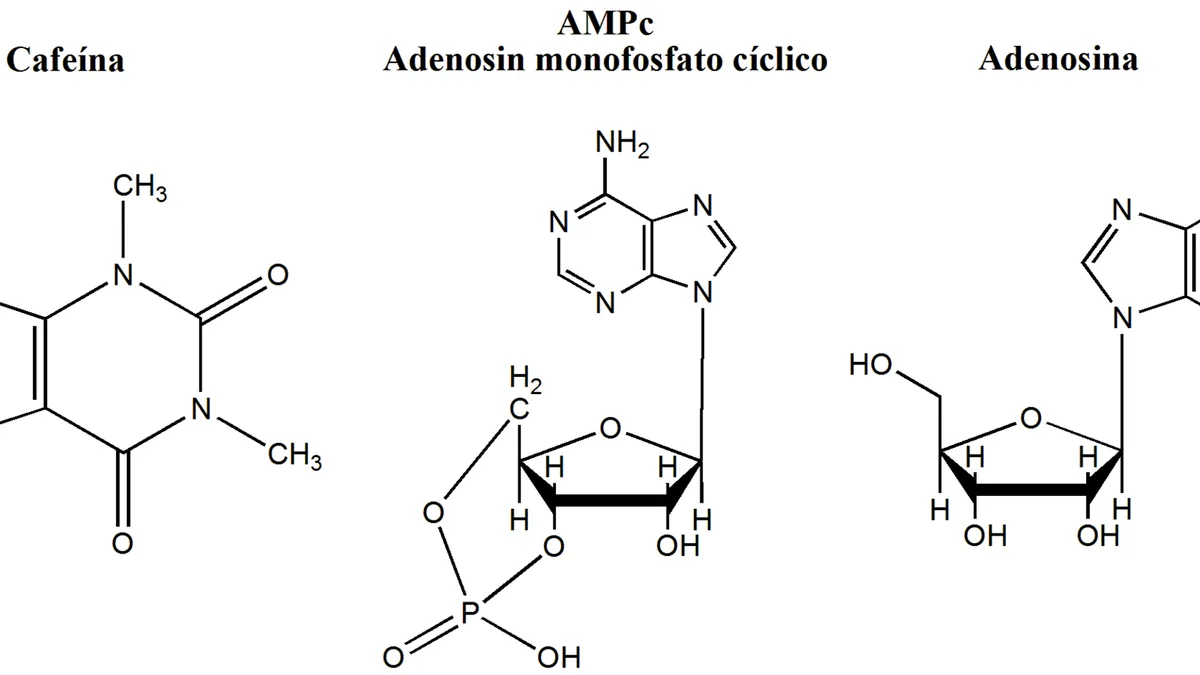
Adenosina Y Cafeina
| Primary mechanism | Adenosine receptor antagonism |
|---|---|
| Typical onset of effect | 15 to 60 minutes after ingestion |
| Typical duration of effect | 3 to 5 hours (varies by individual and metabolism) |
| Primary use case | Counteracting sleepiness and promoting alertness |
| Common sources | Coffee, tea, energy drinks, soft drinks, supplements |
| Interaction with sleep | Can delay sleep onset and reduce sleep quality |
| Considerations | Tolerance develops with regular use; withdrawal can cause headaches and fatigue |
Origin and history
The terms "Adenosina" and "Cafeina" refer to fundamental neurochemicals involved in sleep-wake regulation, not a singular commercial product or treatment. Adenosine is an endogenous neuromodulator whose sleep-promoting effects were first systematically documented in animal studies in the mid-20th century. Caffeine, as a psychoactive compound, originates from various plants like coffee beans and tea leaves, with its stimulant properties being utilized for centuries across multiple cultures. The scientific understanding of their antagonistic interaction, where caffeine blocks adenosine receptors, was crystallized through pharmacological research primarily in the latter decades of the 20th century. This biochemical relationship forms a cornerstone of modern sleep science and explains the mechanism behind the world's most widely consumed psychoactive substance. The conceptual pairing "Adenosina Y Cafeina" thus represents a critical physiological and pharmacological dynamic, rather than an invented therapy with a specific launch date.
What it is for
The adenosine-caffeine dynamic is central to understanding both the natural drive for sleep and a primary method of artificially promoting wakefulness. Adenosine accumulates in the brain during waking hours, gradually increasing sleep pressure and creating the feeling of tiredness that culminates in sleep onset. Caffeine is consumed explicitly to counteract this signal, temporarily reducing perceived fatigue and improving alertness by occupying adenosine receptors. This interaction is fundamentally leveraged to mitigate symptoms of sleepiness, extend periods of wakefulness, and sometimes to improve concentration in the face of sleep deprivation. It is not a treatment for the underlying causes of chronic sleep disorders like insomnia or sleep apnea, but rather a management tool for sleepiness itself. The relationship is also a key model for researching novel wake-promoting agents and understanding the neurochemistry of sleep homeostasis.
Overview
Adenosine is a nucleoside that builds up in the basal forebrain and other areas with prolonged neural activity, acting on specific receptors (notably A1 and A2A) to inhibit wake-promoting neurons and facilitate sleep. Sleep itself then clears adenosine from the brain, resetting the system. Caffeine, a methylxanthine alkaloid, has a molecular structure that allows it to bind to these same adenosine receptors without activating them, acting as a competitive antagonist. This blockade prevents adenosine from transmitting its sleep-inducing signal, leading to increased neuronal firing and the release of other stimulants like dopamine and norepinephrine. The effects of caffeine are dose-dependent and vary widely based on individual genetics, tolerance, and timing of consumption. The cycle of adenosine accumulation and caffeine antagonism represents a daily biochemical tug-of-war that directly influences alertness and sleep timing for a large portion of the population.
What to know
Individual sensitivity to caffeine varies dramatically due to genetic differences in the CYP1A2 enzyme responsible for its metabolism and the affinity of one's adenosine receptors. The half-life of caffeine averages four to six hours, meaning its effects are long-lasting and afternoon consumption can significantly disrupt nighttime sleep architecture even if falling asleep seems possible. Chronic, daily caffeine use leads to tolerance, as the body upregulates adenosine receptors, requiring more caffeine to achieve the same alerting effect and potentially intensifying withdrawal symptoms like headaches and fatigue when caffeine is absent. Caffeine does not replace sleep; it merely masks sleep pressure, leading to a cumulative sleep debt that can impair cognitive function and health. Withdrawal symptoms typically begin 12 to 24 hours after the last dose, peak at 20-48 hours, and can include irritability, drowsiness, and difficulty concentrating. Understanding this dynamic is crucial for using caffeine strategically rather than habitually, ensuring it serves a purpose without undermining overall sleep health.
Common questions
A common question is whether caffeine can effectively compensate for a chronic lack of sleep, to which the answer is no, as it cannot restore the critical neural and physiological processes that occur during sleep. People often ask if switching to decaffeinated coffee eliminates sleep interference, but decaf still contains small amounts of caffeine that may affect highly sensitive individuals. Many wonder about the best time to stop consuming caffeine to protect sleep, with general guidance being at least eight to ten hours before bedtime, though this window may need to be longer for slow metabolizers. A frequent query concerns why caffeine sometimes seems to induce sleepiness, which can occur due to caffeine crash after the drug wears off or, in some individuals with ADHD, a paradoxical calming effect. Individuals also ask if building a tolerance to caffeine is beneficial, but tolerance primarily diminishes the desired stimulant effects while the negative impacts on sleep may persist. Finally, questions arise about caffeine's impact on sleep quality, which is significant, as it can reduce deep sleep and increase sleep fragmentation even when sleep initiation is not difficult.
Pros and cons
A primary pro is that caffeine provides a rapid, reliable, and accessible means to combat acute sleepiness and enhance alertness for specific tasks. The mechanism is well-understood, allowing for predictable dose-response effects when used intermittently. A significant con is that habitual use often leads to a cycle of dependence, where caffeine is needed to achieve normal alertness and withdrawal symptoms punish any attempt to abstain. A common mistake is using caffeine to perpetuate an unsustainable sleep schedule, thereby masking severe sleep deprivation that impairs health and performance in ways caffeine cannot address. Many people regret choosing chronic high-dose consumption when they find themselves unable to wake up or function without it, and experience anxiety, gastrointestinal discomfort, or elevated heart rate. The interaction also creates a potential for a vicious cycle where evening caffeine disrupts sleep, increasing next-day fatigue and necessitating more morning caffeine.
Who it suits
This dynamic suits individuals who need temporary, situational alertness, such as shift workers managing an unusual schedule or students preparing for a short-term project requiring extended focus. It can be appropriate for adults with no underlying anxiety or cardiovascular conditions who consume caffeine strategically and early in the day, well before their target bedtime. It does not suit individuals with chronic insomnia, panic disorders, or certain heart conditions, as caffeine can exacerbate these issues. It is poorly suited for slow metabolizers of caffeine, who experience prolonged effects that severely disrupt sleep, and for anyone seeking a long-term solution for persistent daytime fatigue, which warrants medical investigation. The adenosine-caffeine model is most useful for those with a strong understanding of sleep hygiene who use caffeine as an occasional tool rather than a daily crutch, and who prioritize obtaining sufficient sleep above masking sleep debt.