AI May Help Identify Breast Cancers Missed by Mammograms
A review led by UCLA Health Jonsson Comprehensive Cancer Center investigates AI's potential to detect interval breast cancers missed by routine mammograms
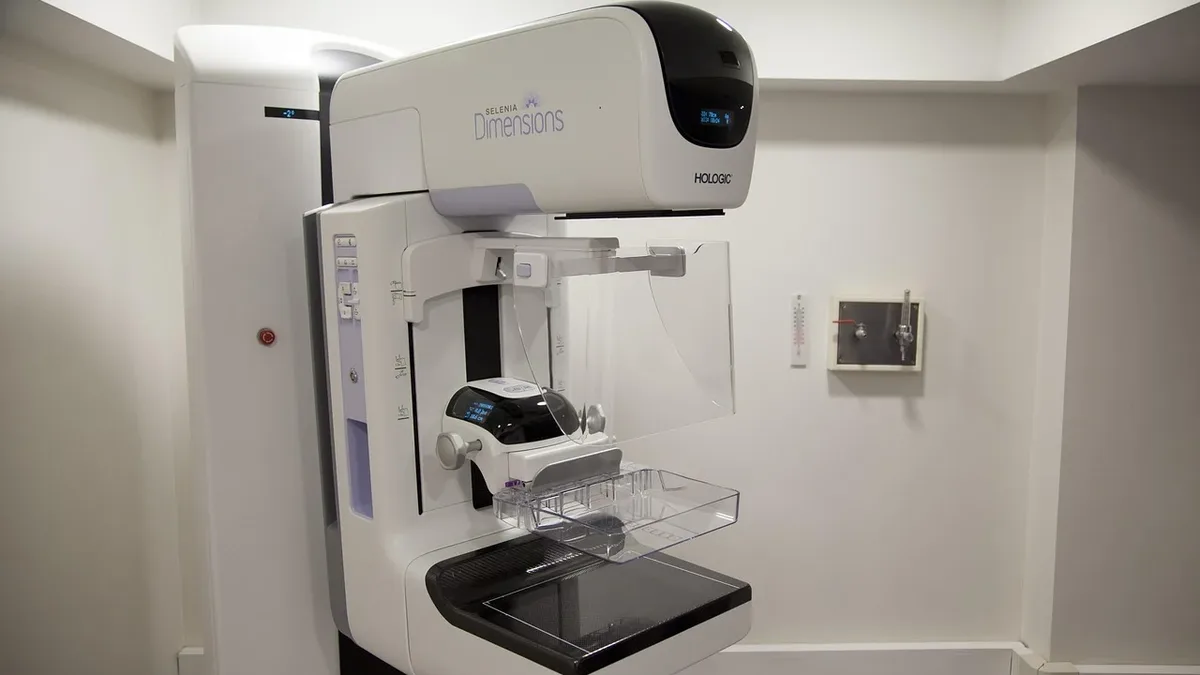
Artificial intelligence may help radiologists identify subtle signs of breast cancers that are missed during routine mammograms, and some AI systems may even identify patterns associated with an increased risk of cancer before it becomes visible on a mammogram, but there are still many significant limitations exist, according to a review led by investigators at the UCLA Health Jonsson Comprehensive Cancer Center. The review examines the current landscape of commercially available AI tools used to assist with interpretation of screening mammograms and summarizes research on their potential to detect and predict interval breast cancers. Interval cancers are breast cancers diagnosed after a negative screening mammogram but before a woman's next scheduled screening. They are an important measure of how well a mammography screening program is working and are often more aggressive than cancers detected through routine screening. "The ultimate goal of screening mammography is to eliminate these interval cancers and catch as many of them as we can earlier, at the point of screening," said Tiffany Yu, MD, assistant professor of radiology at the David Geffen School of Medicine at UCLA and senior author of the paper. "As AI tools become increasingly commercially available, we wanted to provide readers with a timely overview and foundational understanding of interval cancers and potential ways AI can help detect them, because ensuring these tools are safe and clinically effective is most important."
Where AI may help most
Some interval cancers develop rapidly and are not visible on previous mammograms. Others leave subtle signs that were present but not recognized at screening, suggesting AI could help identify these earlier. The review evaluated studies on AI's ability to find interval cancers retrospectively and detect risk patterns on seemingly normal mammograms. Retrospective AI identified interval cancers with varying success, ranging from 5% to 78% depending on the system and methodology. However, researchers stress these are potential detections, not proven reductions in cancer rates. Most studies were retrospective, comparing AI analysis of past mammograms after cancer diagnosis.
Risk Signals Before Visible Cancer
Some research suggests AI may identify women at increased risk even when mammograms appear normal. One study found AI assigned highest risk scores to 23.1% of women who later developed interval cancer three screening rounds before diagnosis, rising to 39.4% on the mammogram immediately preceding diagnosis. This raises questions about how clinicians should respond to high AI risk scores without visible abnormalities, as additional imaging could lead to false positives or unnecessary procedures.
Strong Trial, Limited Conclusions
A large 2026 prospective randomized trial involving over 105,000 women compared AI-supported screening with standard double reading. The AI-supported group had a lower interval cancer rate (1.55 per 1,000 women) versus standard screening (1.76 per 1,000). AI also showed higher sensitivity (80.5% vs 73.8%) with equal specificity (98.5%). The approach reduced screening workload by 44.3% without lowering overall cancer detection rates.
Gaps Before Routine Use
Researchers note substantial differences in study designs, including definitions of interval cancer, screening technologies, intervals, and radiologist workflows. Most evaluations focus on limited AI algorithms, making cross-study comparisons difficult. International screening program differences further complicate applicability to U.S. Settings. Yu emphasized the need for prospective studies evaluating whether AI actually reduces interval cancer rates, recall rates, false positives, radiologist workload, and downstream testing. Long-term outcomes and post-market surveillance of commercial AI systems remain critical for safety and effectiveness assessment.