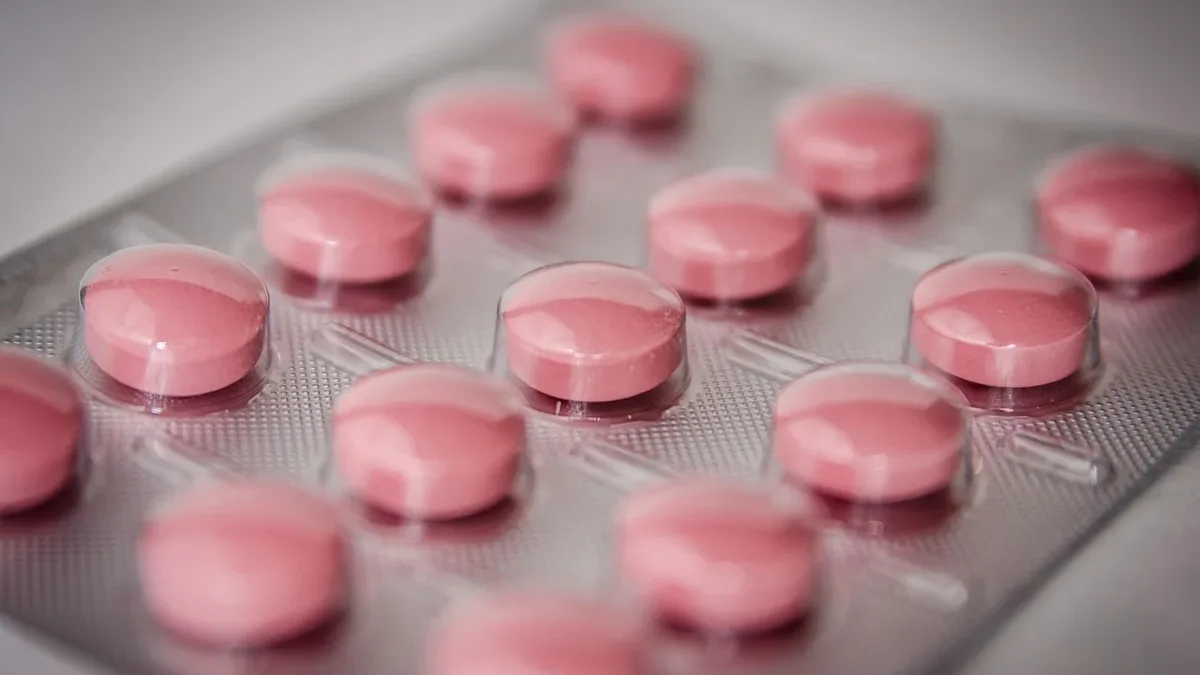
Fenoterol study reveals obesity drug
A University of Basel study found the drug fenoterol increased energy expenditure in 11 volunteers but did not activate brown fat, suggesting a more

A drug tested as a potential obesity treatment increased energy expenditure but failed to activate the body's brown fat, according to a new human study. Researchers from the University of Basel and University Hospital Basel published these findings in the journal Cell Metabolism on September 21, 2026.
Brown adipose tissue burns energy to generate heat, unlike white fat which stores it. Activating this tissue pharmacologically has been a goal for new weight-loss therapies. The research team, led by Matthias Betz, compared the effects of mild cold exposure with those of fenoterol, a drug that stimulates beta2-adrenergic receptors.
Study design and key findings
Eleven healthy volunteers participated in both a cold exposure experiment and a fenoterol treatment experiment. The team measured total energy expenditure and used PET/CT scans to assess brown fat activity by tracking glucose uptake.
Both cold and the drug increased the body's energy expenditure. However, the PET/CT scans revealed a critical difference. Only cold exposure led to a substantial increase in glucose uptake by brown fat. Fenoterol did not produce a comparable activation of the tissue.
"We were surprised that energy expenditure increased strongly with fenoterol even though we could not detect a comparable activation of brown fat," said Betz. The study indicates that a rise in energy consumption does not automatically signal brown fat activation.
Implications for drug development
The results suggest the body's energy regulation is more complex than previously thought. The researchers do not yet know which tissues or processes account for the additional energy consumption caused by fenoterol. They hypothesize that other tissues, such as skeletal muscle or white adipose tissue, may be responsible.
Analyses of human tissue from the study point to a more detailed biological system. Fully activating brown fat in humans may require several receptors or biological signals working together, not only stimulation of the single beta2-adrenergic receptor targeted by fenoterol.
This complexity has direct implications for developing obesity medications. Current weight-loss drugs primarily work by reducing appetite. A significant challenge is that as people lose weight, their bodies often adapt by lowering baseline energy expenditure, which can hinder further weight loss.
"Ideally, we could combine a reduction in appetite with an increase in energy expenditure," Betz stated. The researcher emphasized that a better understanding of how brown adipose tissue is regulated is needed first. The study shows a pharmaceutical approach to activating brown fat may be more difficult than expected.