VR vision training may slow childhood myopia
A study published in JAMA Ophthalmology found that children using virtual reality-based digital defocus vision training for 15 minutes daily showed slower
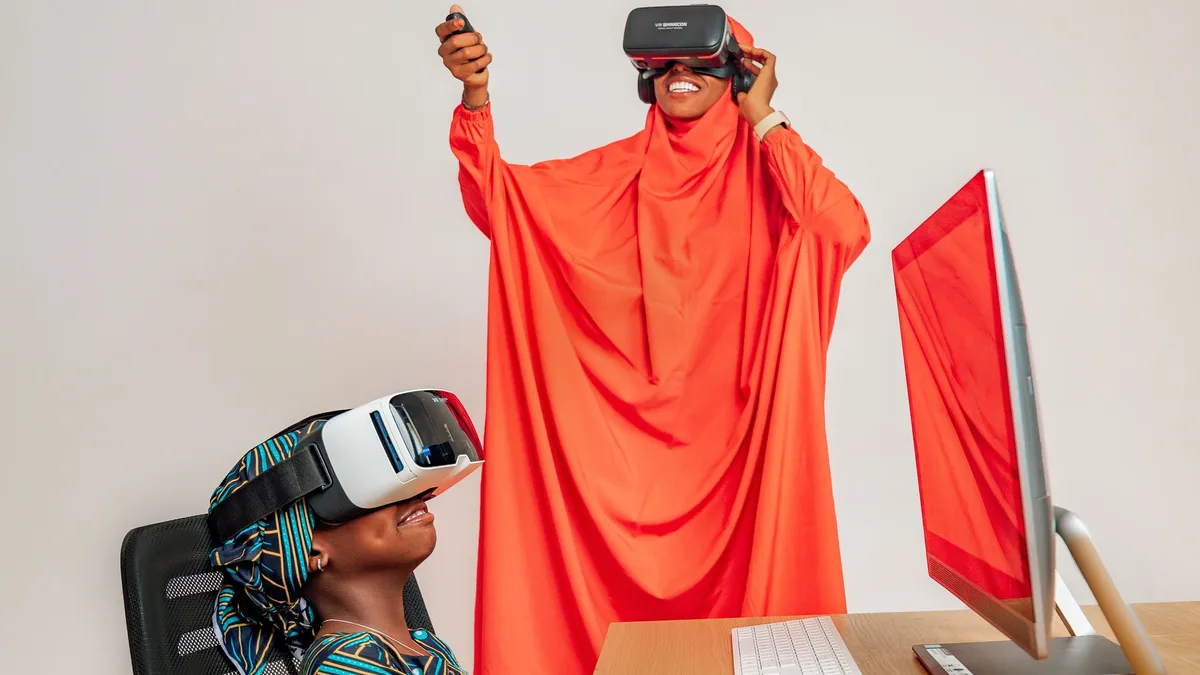
A new study suggests virtual reality-based digital defocus vision training (DDVT) could help slow myopia progression in children. The research, published online on August 27, 2026, in JAMA Ophthalmology, found that children who used the VR training alongside standard glasses experienced less eye elongation and refractive change than those using glasses alone.
Dr. Jing Zhong from the Beijing Tongren Eye Center led the research team. They evaluated the safety and effectiveness of the VR intervention for pediatric myopia control. The trial involved 120 children aged 6 to 12 years.
Study design and participant groups
The children were randomly assigned to one of two groups. One group used digital defocus vision training via a virtual reality headset for 15 minutes per day while also wearing their single-vision spectacles (SVS). The other group wore only their single-vision spectacles with no additional training. The researchers then measured changes in the children's eyes over a six-month period.
Measured outcomes at six months
The study's results showed clear differences between the two groups after six months. The key measurements were axial length (the length of the eyeball) and spherical equivalent refraction (the eye's focusing power).
| Measurement | DDVT + SVS Group | SVS Alone Group | Difference |
|---|---|---|---|
| Axial Length Increase | 0.15 mm | 0.25 mm | 0.11 mm |
| Spherical Equivalent Refraction Change | -0.23 D | -0.46 D | -0.23 D |
| Visual Acuity Change (logMAR) | -0.02 logMAR | 0.01 logMAR | 0.03 logMAR |
| Visual Acuity Change (Snellen) | 20/18 | 20/20 | 20/21 |
The data indicates that eyes in the training group elongated less and their prescription worsened less. The visual acuity changes were minimal in both groups, with the training group showing a slight improvement. According to the study authors, no training-related adverse events were reported.
Clinical relevance and future research
The authors of the study, cited by HealthDay, were cautious about overinterpreting the short-term results. They stated that the clinical relevance of these differences over the short and long term cannot be determined from this trial. The findings do, however, support additional studies.
They described the VR-based approach as "a promising adjunctive approach for pediatric myopia control." The research team believes the method warrants further investigation to assess its potential as a routine part of myopia management for children. The study was peer-reviewed and published in a major ophthalmology journal.