Overnight Pulse Oximetry in Sleep Medicine
A clinical report details how overnight pulse oximetry is used to prescreen for obstructive sleep apnea, monitor treatment, and streamline remote patient
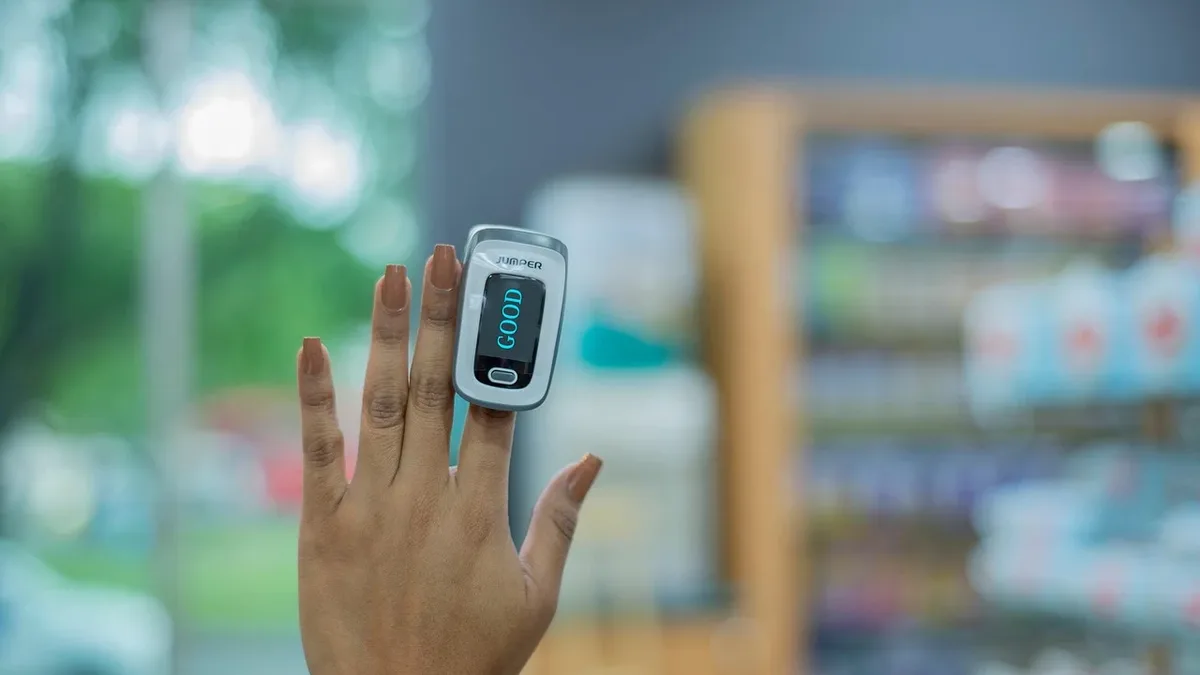
Overnight pulse oximetry provides clinicians with a practical, noninvasive method to monitor a patient's oxygen saturation and pulse rate during sleep. This tool can reveal nocturnal oxygen patterns, aid in patient triage, and offer objective data for therapy follow-up. It can support OSA prescreening, treatment follow-up, oral appliance assessment, and more efficient remote monitoring workflows.
A downloadable PDF report titled "Overnight Pulse Oximetry: Multidisciplinary Value for Clinical Practice" examines the key clinical applications for this technology. Sleep and respiratory experts contributed to the analysis.
Key Clinical Applications
The report outlines several primary uses for overnight pulse oximetry in clinical practice. It can prescreen patients who may require more comprehensive sleep testing. The tool helps identify nocturnal oxygen desaturation, which assists clinicians in prioritizing higher-risk patients for further evaluation.
It also adds valuable information during follow-up care for treatments like positive airway pressure (PAP) therapy, oral appliances, and hypoglossal nerve stimulation. Furthermore, overnight oximetry is used to monitor patients with existing cardiopulmonary, hypoxic, or neuromuscular conditions.
Sleep specialists may use the oxygen saturation trends to guide the next steps in a patient's care plan. Concerning results can help a clinician decide if a patient needs more urgent polysomnography or a home sleep apnea test. The report notes that the American Academy of Sleep Medicine (AASM) diagnostic testing guideline reinforces a critical point. Clinicians should not use the limited screening information from oximetry as a substitute for appropriate diagnostic sleep testing.
Streamlining Workflows with Technology
Technology is changing how sleep practices administer overnight oximetry testing. Cloud-based platforms can reduce manual tasks like device downloads, handling, and paperwork. They also cut delays in receiving results.
The report specifically examines the Nonin Health platform. This system pairs with the WristOx2 Model 3150BLE oximeter. Patients use a compatible mobile device to securely transmit their overnight SpO2 and pulse-rate data. Clinicians can then review the information through a web-based portal.
These capabilities may help sleep practices manage equipment more efficiently. They can retrieve results sooner and respond more quickly when therapy adjustments or additional testing are needed.
An Adjunct to Comprehensive Care
Ultimately, the report positions overnight pulse oximetry as an accessible adjunct to comprehensive clinical care. It works best when integrated into broader sleep and respiratory workflows. The full PDF report explores the applications, limitations, and evolving role of this tool in greater detail.