Night Owls Face More Mental Health Issues
A 2026 study of 2,266 Finnish workers found evening chronotypes, or 'night owls,' report more anxiety and depression and take longer to recover from work
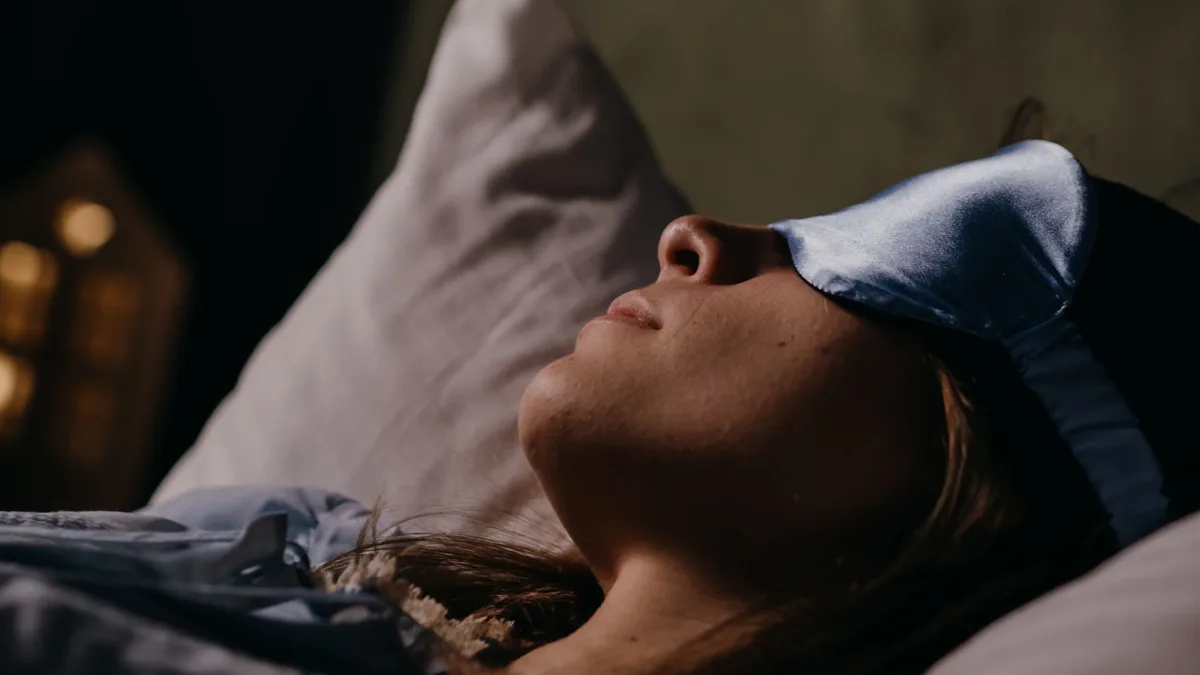
Night owls face a tougher time recovering from work and report more mental health symptoms than early birds. This finding comes from a study of 2,266 working-age individuals in Finland, published in the journal Sleep Health on August 31, 2026.
Researchers from the University of Eastern Finland investigated how an individual's circadian rhythm, or chronotype, relates to depression and anxiety. They also examined whether challenges in balancing work and personal life could explain this connection.
The Study's Core Findings
Participants were categorized as morning, evening, or intermediate types based on their natural sleep-wake preferences. The team then measured anxiety and depression symptoms, how much work spilled into leisure time, and how well people recovered from work.
The results were clear. Mental health problems were most pronounced among extreme evening types. The link between being a night owl and having anxiety disorders appeared to be connected to two specific factors: poor recovery from work and difficulties in balancing work with other life areas.
Ilona Merikanto, the principal investigator, emphasized the importance of these findings. "This way, measures to promote work-life balance and recovery from work can be targeted at the right people," Merikanto stated. She added that this targeting would promote workplace well-being and reduce inequality.
Lifestyle Factors and Mental Health
The study noted that evening types generally reported less healthy lifestyles. However, these lifestyle differences did not account for the increased work-life balance challenges or mental health issues observed in this group. The core problem seems to be the mismatch between their natural rhythm and typical work schedules, a factor distinct from their health habits.
This research highlights a growing challenge: mental health issues among working-age people. Understanding how work affects mental health risks, and identifying who is most vulnerable, is vital for developing effective interventions. For instance, workplace wellness programs could use our stats on employee well-being to track the impact of such targeted measures.
Chronotype Categories and Outcomes
The study divided participants into three chronotype categories. The following table summarizes the key associations found for each type, based on the source report.
The data shows a gradient, with evening types consistently faring worse across all measured areas compared to morning types. The association was strongest for those with an extreme evening preference.
Ultimately, the study concludes that the struggle to disconnect from work and properly rest is a significant burden for night owls. This burden directly contributes to their higher rates of anxiety and depression. The research provides a clear target for workplace wellness programs aiming to support employees with different biological clocks, a consideration that could be factored into team management strategies found on our squad pages.