Bedding For Heat And Humidity
Origin and history
The development of specialized bedding for heat and humidity is a modern response to a perennial environmental challenge. Its origins are not tied to a single country but emerged from global textile innovation, particularly in regions with consistently hot and humid climates. The concept gained significant commercial traction in the late 20th century as technical fabrics advanced. This period saw increased research into moisture-wicking fibers originally developed for athletic wear being applied to home textiles. The growing consumer awareness of sleep quality and the science of thermoregulation further propelled the category. Consequently, bedding designed specifically for heat and humidity is a product of contemporary material science rather than a traditional craft.
What it is for
This category of bedding is engineered to address the physical discomfort caused by sleeping in warm, moisture-laden conditions. Its primary purpose is to manage the sleeper's microclimate by facilitating heat dissipation and moisture evaporation. It aims to prevent the feeling of dampness or stickiness that can occur when skin contact with fabric leads to sweat accumulation. By promoting a drier and cooler sleeping surface, it seeks to reduce night-time awakenings triggered by thermal discomfort. This bedding is specifically designed for individuals who naturally sleep hot or who live in environments without climate control. Its function is distinct from general warmth-providing bedding, focusing solely on heat expulsion and humidity management.
Overview
Bedding for heat and humidity encompasses sheets, duvet covers, comforters, and mattress protectors constructed from specific material technologies. These products are characterized by their high breathability, which allows air to circulate freely through the fabric weave or knit. A core feature is hygroscopicity, the ability to pull moisture away from the skin and into the fabric where it can evaporate. Common material categories include performance-oriented synthetics like polyester microfiber, plant-based fibers like lyocell (often branded as Tencel), and specially treated natural fibers like moisture-wicking cotton. The construction often involves percale weaves or open-knit structures that minimize fabric contact with the skin. The overall design philosophy prioritizes physical cooling and dryness over insulation or softness alone.
What to know
The efficacy of this bedding hinges on the fiber properties and construction, not merely the fiber type alone. For instance, long-staple cotton in a percale weave offers more breathability than the same cotton in a sateen weave. Many synthetic microfiber sheets achieve moisture-wicking through chemical treatments that can degrade with repeated washing. Natural bamboo-derived fabrics, such as rayon or lyocell, are often favored for their inherent breathability and moisture absorption without chemical additives. It is crucial to understand that these products manage moisture and heat from the body but do not actively cool the air in the room. Proper care, following manufacturer instructions for detergents and drying, is essential to maintain the technical properties over time. The feel of these fabrics is often crisp and cool to the touch rather than plush or heavy.
Common questions
A frequent question is whether cotton is always cooler than synthetic materials, and the answer depends on the weave and finish, as high-quality performance synthetics can outperform dense cotton weaves. People often ask if bamboo bedding is inherently cooling, and while bamboo-derived viscose or lyocell is excellent for moisture management, the "cooling" label is sometimes overstated. Many wonder if thread count is important, and for cooling bedding, a lower thread count with an open weave is generally more effective than a high thread count with a tight weave. Consumers commonly inquire about the durability of moisture-wicking treatments, which typically last for dozens of washes if cared for properly. Another common question is whether these bedding sets work with any mattress, and they are compatible with all mattress types but perform best when paired with a breathable mattress foundation. Individuals often ask if they still need a top sheet or blanket, and while the bedding manages heat, personal preference for weight and coverage will determine this.
Pros and cons
A significant advantage is the tangible improvement in sleep continuity for hot sleepers, reducing the disturbance from sweat and heat buildup. The materials are often easier to care for, resisting wrinkles and drying quickly compared to traditional linen or high-thread-count cotton. A notable downside is that the tactile experience can feel overly crisp, thin, or synthetic to those accustomed to the soft, heavy drape of materials like flannel or sateen. A common mistake is purchasing based on marketing terms like "cooling" without examining the actual fiber content and weave, leading to disappointment. Many who regret their choice are individuals who primarily suffer from coldness at night, as this bedding will exacerbate that feeling and provide insufficient insulation. The performance features, particularly chemical wicking treatments, can degrade prematurely if washed with harsh detergents or fabric softeners, rendering the bedding ordinary.
Who it suits
This bedding is ideally suited for individuals who consistently wake up feeling overheated or damp from perspiration, regardless of the room temperature. It is a practical solution for people living in tropical, subtropical, or humid continental climates, especially in homes without air conditioning. Hot sleepers, including those experiencing night sweats due to hormonal changes, medications, or medical conditions, often find substantial relief. It is also appropriate for those who prefer a lighter, less restrictive feel from their bedding, valuing breathability over weighty comfort. This bedding is less suitable for people who are naturally cold sleepers or who live in consistently cool environments, as it will not provide sufficient warmth. It is a good match for individuals seeking low-maintenance textiles that dry quickly and resist wrinkles for everyday ease.
Latest Bedding For Heat And Humidity news
Latest reporting
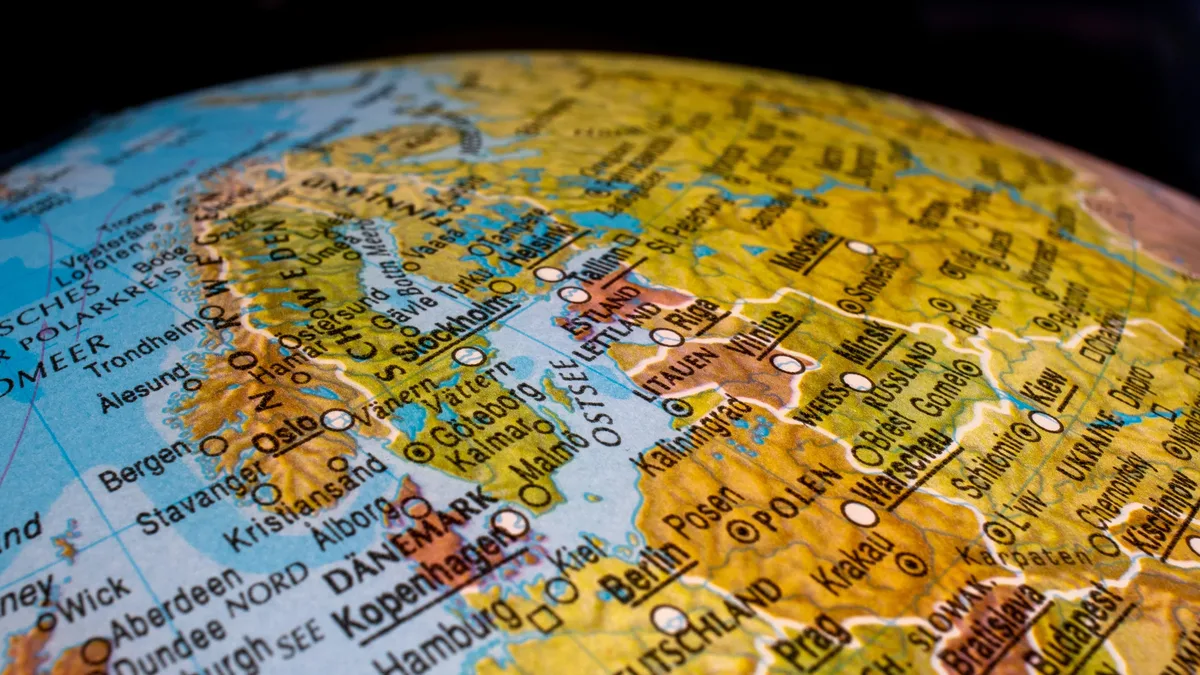
Sweden: Temp extremes up heart failure risk
A study links short-term exposure to cold spells and heat with higher heart failure hospitalizations in Sweden, stressing timely clinical response.
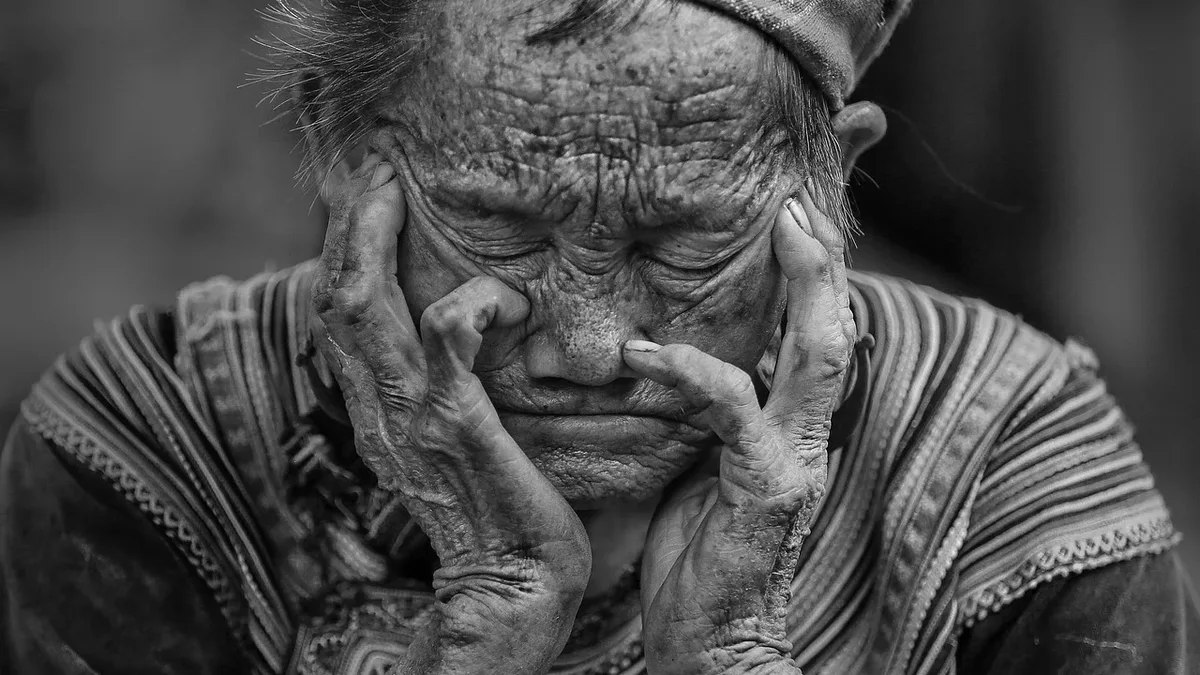
Rising Temperatures Pose Significant Risk to Older Adults
A new study published in The Lancet Planetary Health estimates that with a global warming of 1.5 degrees, 22% of adults over 60 will be exposed to...