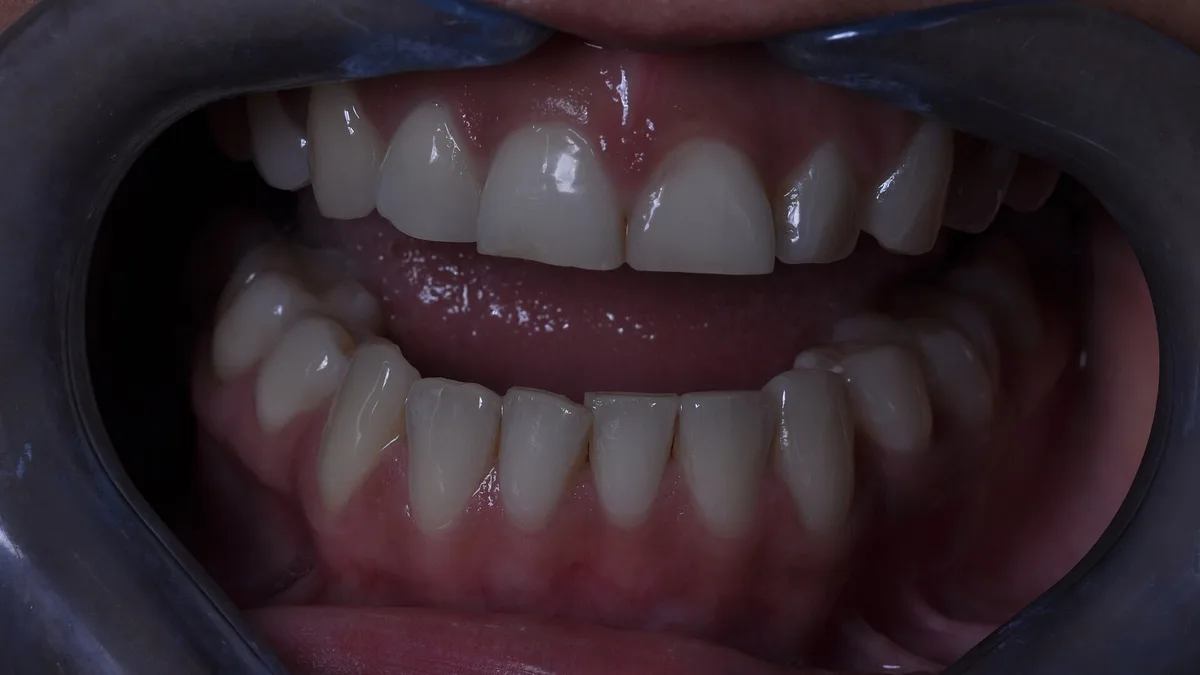
Bruxismo
Origin and history
The term "bruxism" originates from the Greek word "brychein," meaning to gnash the teeth. The condition was first medically documented and named in the early 20th century, with significant clinical descriptions emerging in the 1930s. Early dental literature primarily described it as a nocturnal habit, often observed during sleep studies that began to develop in that era. Historical references to tooth grinding exist far earlier, with some accounts in ancient texts, but these were not systematized under a specific medical diagnosis. The formal distinction between awake bruxism and sleep bruxism was solidified in later decades as understanding of sleep medicine advanced. Its recognition as a sleep-related movement disorder became more established with the publication of standardized sleep disorder classifications in the late 20th century.
What it is for
Bruxism itself is not a tool or treatment with an intended purpose; it is an involuntary parafunctional activity. Therefore, it is not "for" anything beneficial and is instead a condition that requires management. The actions associated with bruxism, clenching, gnashing, or grinding the teeth, serve no physiological function during sleep or wakefulness. In some contexts, awake bruxism may be a subconscious coping mechanism for stress or concentration, but this is not a designed function. The primary focus for individuals with bruxism is on interventions aimed at preventing the damage it causes. Consequently, the "for" aspect relates to the treatments used to address its consequences, such as oral appliances to protect dentition or therapies to manage underlying triggers.
Overview
Bruxism is a repetitive jaw-muscle activity characterized by clenching or grinding of the teeth and/or by bracing or thrusting of the mandible. It is categorized into two distinct forms: sleep bruxism and awake bruxism, which differ in their pathophysiology and presentation. Sleep bruxism is classified as a sleep-related movement disorder occurring during non-REM sleep, often associated with micro-arousals. Awake bruxism is more related to daytime habits and is often tied to periods of stress, concentration, or anxiety. The condition can lead to significant dental wear, tooth fractures, jaw pain, headaches, and temporomandibular joint disorders. Its etiology is considered multifactorial, involving interactions between the central nervous system, autonomic functions, and potential psychosocial factors.
What to know
The force exerted during sleep bruxism episodes can be substantially higher than during normal chewing, leading to accelerated tooth damage. A key diagnostic feature is the presence of abnormal tooth wear facets that do not match normal occlusal patterns, often observed by a dentist. Bruxism is not solely a dental problem; it is a centrally mediated condition with potential links to sleep architecture, neurotransmitters, and respiratory events like sleep apnea. Many individuals with sleep bruxism are unaware of their habit until a bed partner reports the grinding sounds or a dentist identifies the damage. Common secondary symptoms include masticatory muscle hypertrophy, morning jaw stiffness, and referred pain in the temples or ears. Management is typically protective and symptomatic, as there is no universally accepted cure that directly stops the bruxism activity at its source.
Common questions
Is bruxism caused by stress? While stress and anxiety are significant exacerbating factors, particularly for awake bruxism, they are not the sole cause, as sleep bruxism has strong neurophysiological underpinnings. Can bruxism be cured? There is no definitive cure, but its damaging effects can be effectively managed and reduced through various interventions. Do over-the-counter night guards work? While they offer some protection, dentist-fabricated occlusal splints are superior as they are designed for proper fit, thickness, and jaw alignment, reducing risks like increased grinding or jaw joint issues. Is bruxism related to sleep apnea? There is a noted comorbidity, as bruxism episodes can sometimes occur as a response to airway obstruction, representing a protective reflex to open the airway. Will treating bruxism stop my headaches? It may reduce tension-type headaches and facial pain originating from the masticatory muscles, but other headache etiologies require separate evaluation. Does bruxism go away on its own? In children, it is common and often resolves with age, but in adults, it tends to be a chronic, persistent condition that requires long-term management.
Pros and cons
A significant drawback is that the most common treatment, an occlusal splint, is often misunderstood as a cure; it merely protects the teeth while the grinding activity frequently continues unabated. Many patients regret not seeking intervention earlier, as they face costly dental reconstructions for severely worn teeth, crowns, or fractured dental work. A common mistake is pursuing only dental solutions without evaluation for contributing factors like sleep apnea, stress, or medication side effects, leading to incomplete management. The condition can strain relationships due to the disruptive noise of nocturnal grinding, which is a frequent source of complaint from bed partners. Furthermore, some patients find that poorly fitted or over-the-counter guards can inadvertently intensify clenching or lead to temporomandibular joint discomfort, worsening the problem they were meant to solve. The lack of a simple, definitive treatment can lead to patient frustration and a cycle of trying multiple, sometimes ineffective, therapies.
Who it suits
The question of "who it suits" is inapplicable to bruxism itself as it is a disorder, not a chosen product. Instead, this refers to whom the various management strategies are suited for. Custom-fabricated occlusal splints suit almost all patients with sleep bruxism causing dental damage, as they are the first-line protective device. Behavioral therapy and habit-reversal training are particularly suited for individuals with predominant awake bruxism linked to anxiety or stress. Evaluation for sleep-disordered breathing is suited for patients whose bruxism is accompanied by snoring, witnessed apneas, or daytime sleepiness. Pharmacological interventions, such as muscle relaxants or certain medications affecting neurotransmitters, may suit severe, refractory cases under strict specialist supervision but are not suitable for long-term general use. Multidisciplinary management involving a dentist, sleep physician, and possibly a physical therapist suits patients with complex presentations involving significant pain, joint issues, and sleep comorbidities. Simple monitoring without active intervention may suit asymptomatic individuals with mild bruxism and no evidence of dental or muscular deterioration.