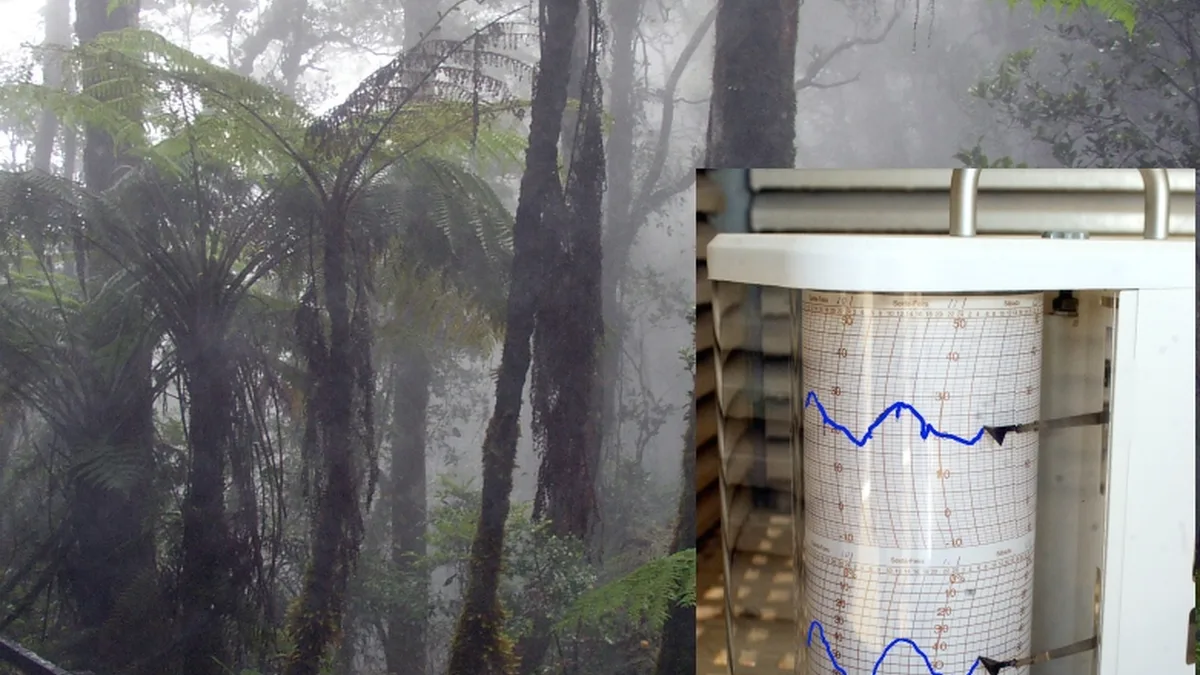
Heat And Humidity
| Core mechanism | Thermoregulation disruption |
|---|---|
| Primary symptom | Difficulty falling or staying asleep |
| Key environmental trigger | Elevated ambient temperature and moisture |
| Typical mitigation | Environmental cooling and dehumidification |
| Common seasonality | Summer or tropical climates |
Origin and history
The understanding of heat and humidity as a combined disruptor of sleep originates from the study of human thermoregulation and sleep physiology, primarily developed in sleep science laboratories during the mid-20th century. Research into this specific environmental problem accelerated in the latter decades of the 1900s alongside the broader field of environmental ergonomics. Key foundational work emerged from institutions in North America and Europe, where scientists began systematically testing the effects of thermal load on sleep architecture. The problem gained wider public and clinical recognition as air conditioning became more common, creating a stark contrast between controlled indoor environments and naturally challenging outdoor conditions. Historical sleep studies often measured the separate and combined effects of air temperature and relative humidity on sleep onset and maintenance. This established the core principle that the body's ability to shed heat through vasodilation and sweating is critically impeded by high ambient humidity.
What it is for
This sleep problem specifically describes the physiological challenge of achieving and maintaining core body temperature reduction in a hot and humid environment. It is for individuals who experience fragmented sleep, prolonged sleep onset latency, or reduced sleep quality due to excessive thermal stress. Understanding this problem is for designing effective environmental and behavioral countermeasures to facilitate the body's natural nocturnal cooling process. It is directly relevant for populations living in tropical, subtropical, or seasonal climates where high heat and humidity coincide. The knowledge is applied in designing sleep environments, selecting appropriate bedding and sleepwear, and timing pre-sleep routines. It also informs public health guidelines during heatwaves, where nighttime heat stress poses significant risks, particularly for vulnerable populations.
Overview
The sleep problem of heat and humidity arises because the human sleep cycle is intrinsically tied to a circadian drop in core body temperature. High ambient heat slows the release of the body's internal heat to the environment, while high humidity impairs the evaporation of sweat, which is the primary cooling mechanism. This dual interference prevents the necessary thermoregulatory shift, keeping the body in a state of elevated arousal. Sleep stages are consequently disrupted, with reductions in slow-wave sleep and rapid eye movement sleep, which are the most restorative phases. The sleeper may experience frequent awakenings, often brief and unremembered, as the body attempts to regulate temperature. Over time, chronic exposure to such conditions can lead to a cumulative sleep debt and exacerbate associated health issues related to poor sleep.
What to know
The critical threshold for sleep disruption is not a fixed temperature but a combination of temperature, humidity, air movement, and individual factors like age and health. Relative humidity above 60% significantly hampers evaporative cooling, even at moderate temperatures. Bedding and sleepwear made from non-breathable synthetic materials can create a microclimate of even higher humidity against the skin, worsening the problem. The body's ability to thermoregulate during sleep diminishes with age, making older adults more susceptible. While a cool room is ideal, an environment that is too cold can also disrupt sleep, highlighting the importance of a stable, slightly cool thermal zone. Hydration status is crucial, as dehydration from daytime sweating can impair nighttime thermoregulation and should be addressed before bedtime, not during awakenings.
Common questions
A common question is whether using a fan alone is sufficient to combat this problem; while a fan promotes air movement and enhances evaporation, it is less effective when the ambient air itself is both hot and saturated with moisture. People often ask if drinking cold water before bed helps, but while it may provide momentary relief, it does not address the core issue of sustained environmental heat load on the body's thermoregulatory system. Many wonder if acclimatization to a hot climate reduces sleep disruption; some adaptation occurs, but the fundamental physiological requirement for cooling to initiate sleep remains, so disruption is often reduced but not eliminated. Individuals frequently inquire about the best type of mattress or pillow, with breathable materials like latex, certain gels, or open-cell foams being preferable to traditional memory foam which can retain heat. Questions also arise about the efficacy of cooling pads or phase-change materials, which can provide localized relief but may not solve the problem if the overall room environment is not managed.
Pros and cons
The primary pro of addressing this problem through environmental control, such as air conditioning or dehumidification, is its direct and reliable effectiveness in creating a sleep-conducive thermal environment. Behavioral adaptations like taking a lukewarm shower before bed can also provide a reliable physiological cue for peripheral heat loss. A significant con is the energy cost and environmental impact of continuous mechanical cooling, which can be prohibitive and unsustainable for some. A common mistake is over-cooling the room with air conditioning, which can lead to dryness of mucous membranes, muscle stiffness, and even cold-induced awakenings. Many people regret investing in expensive cooling bedding without first addressing the fundamental issue of room-level humidity control. Another drawback is that reliance on technology can be problematic during power outages, which often coincide with the hottest weather, leaving individuals without coping strategies.
Who it suits
This problem and its solutions most directly suit individuals living in persistently hot and humid climates without reliable access to architectural or technological climate control. It is highly relevant for shift workers who must sleep during daytime hours when temperatures peak. Older adults, particularly those with compromised cardiovascular or autonomic nervous system function, must pay particular attention to managing this sleep problem. It also suits athletes and physically active individuals, as their sleep quality is critical for recovery and can be disproportionately affected by thermal stress. Individuals with certain medical conditions, such as multiple sclerosis or menopause, which already impair temperature regulation, find managing this environmental factor essential. Finally, it suits anyone seeking to optimize sleep hygiene by systematically removing environmental barriers to sleep initiation and maintenance.
Latest Heat And Humidity news
Latest reporting

Sweden: Temp extremes up heart failure risk
A study links short-term exposure to cold spells and heat with higher heart failure hospitalizations in Sweden, stressing timely clinical response.

Rising Temperatures Pose Significant Risk to Older Adults
A new study published in The Lancet Planetary Health estimates that with a global warming of 1.5 degrees, 22% of adults over 60 will be exposed to...