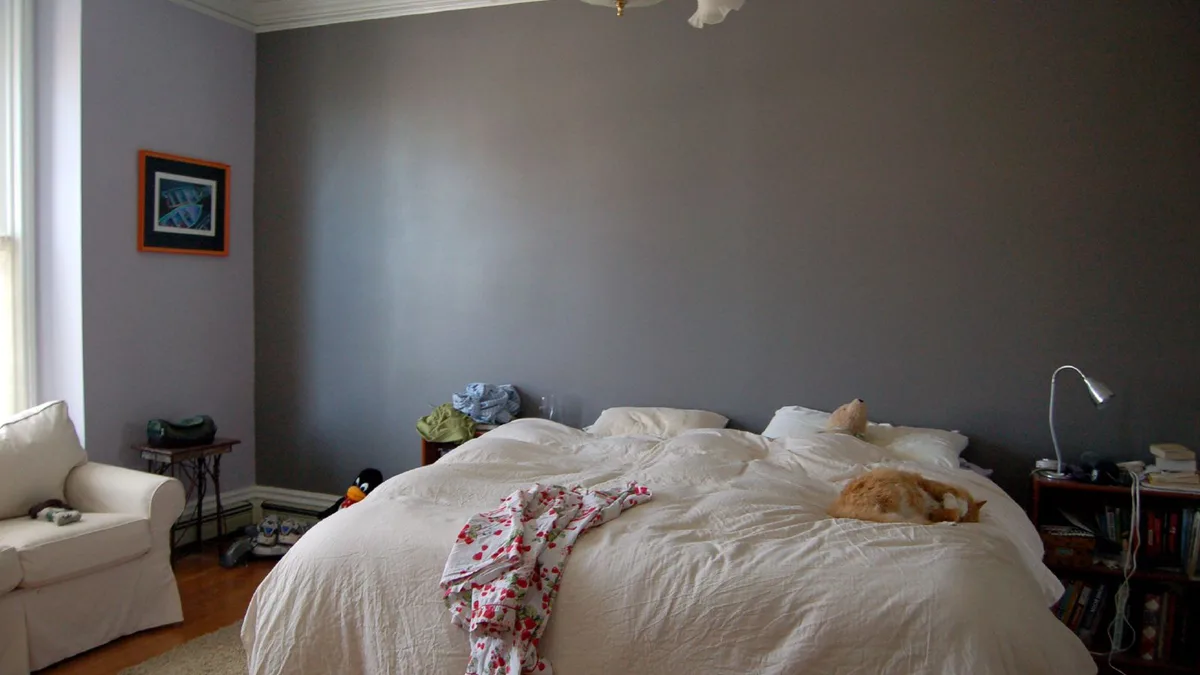
Light And Darkness In The Bedroom
Origin and history
The practice of deliberately managing light and darkness in the bedroom to improve sleep originates from the broader scientific understanding of circadian rhythms, which developed throughout the 20th century. The specific application of light exposure and darkness as a behavioral sleep intervention gained formal recognition in the late 20th century, particularly in the 1980s and 1990s. This period saw significant research into the role of light in regulating melatonin production and the sleep-wake cycle, largely driven by sleep medicine communities in North America and Europe. The concept builds upon ancient and intuitive human practices of sleeping after dark and waking with daylight, but its modern, structured form is a product of contemporary sleep science. It is not attributed to a single inventor but rather evolved from cumulative research in chronobiology and photobiology. The principles are now a foundational component of Cognitive Behavioral Therapy for Insomnia (CBT-I) and general sleep hygiene guidelines.
What it is for
This practice is primarily for regulating the human body's internal circadian clock to promote healthier sleep patterns and improve sleep quality. It is used to address difficulties with falling asleep, maintaining sleep, and waking up feeling unrefreshed. Managing bedroom light and darkness specifically targets the suppression or encouragement of melatonin, the hormone that signals sleepiness to the brain. It serves to reinforce a strong signal of nighttime to the body, thereby reducing sleep onset latency, which is the time it takes to fall asleep. The routine is also employed to help realign the sleep schedule for individuals experiencing jet lag or shift work disorder. Furthermore, it is a core strategy for reducing nighttime awakenings by maintaining a consistently dark environment throughout the sleep period.
Overview
Light and darkness management in the bedroom involves two complementary actions: maximizing darkness during sleep hours and controlling light exposure during waking hours. The practice requires making the sleeping environment as dark as possible, often using blackout curtains, sleep masks, and eliminating sources of electronic light. Conversely, it involves seeking exposure to bright, preferably natural, light during the morning and daytime to suppress melatonin and promote alertness. The overview includes avoiding bright and blue-rich light from screens and lamps in the evening for a period of one to two hours before bedtime. This creates a predictable cycle of light and dark that trains the circadian rhythm to expect sleep at a certain time. It is a non-pharmacological, behavioral intervention that forms a pillar of modern sleep hygiene recommendations.
What to know
The intensity and color temperature of light are critical factors, with blue wavelength light being particularly potent in suppressing melatonin production. Even small amounts of light from devices like charging indicators or streetlights can fragment sleep and reduce sleep quality, though individuals vary in their sensitivity. Consistency is paramount; the benefits are cumulative and rely on daily adherence to the light exposure and darkness schedule, even on weekends. Morning light exposure should occur soon after waking and ideally be outdoors, as natural light is far more intense than typical indoor lighting. For creating darkness, it is important to assess the bedroom from the perspective of your pillow, as light sources are often overlooked from that vantage point. This practice interacts with other sleep hygiene factors, such as caffeine intake and bedtime routine, and is most effective when combined with them.
Common questions
A common question is whether using a phone's "night mode" or blue light filter is sufficient for evening use, and the answer is that while it helps, it does not eliminate the problem of light intensity and cognitive stimulation. People often ask what to do if they wake up in the middle of the night, and the guidance is to keep lights as dim as possible if movement is necessary, using warm, low-positioned nightlights. Many inquire about the best type of sleep mask, with recommendations favoring contoured masks that do not place pressure on the eyelids and block all light. Individuals who work night shifts frequently question how to apply these principles, which involves using very dark sunglasses on the commute home and creating an extremely dark sleeping environment during the day. Another frequent question concerns the time required to see results, with most people noticing improvements in sleep onset within several days to a week of consistent practice. People also ask if total darkness is dangerous, and it is generally considered safe for most adults, though caution is advised for those with mobility issues who may need a low-light path.
Pros and cons
A significant pro is that it is a zero-cost to low-cost intervention with no side effects, relying solely on behavioral change and simple environmental modifications. It addresses a root cause of many sleep issues by working directly with the body's biological programming, often leading to more sustainable improvements than medication. A clear con is that it requires strict discipline and can be socially inconvenient, as it may necessitate leaving evening events early or avoiding television. The common mistake is underestimating the impact of very low-level light or inconsistently applying the principles, which leads to minimal results and frustration. Individuals who regret this approach are often those unwilling to commit to a regular sleep-wake schedule or who cannot control their bedroom environment, such as in shared living spaces with conflicting schedules. It can also be challenging for people living in high-latitude regions with extreme seasonal light variation, requiring additional adaptation strategies.
Who it suits
This practice suits individuals whose sleep problems are primarily driven by a delayed or irregular sleep schedule, such as night owls or those with social jet lag. It is highly suitable for people sensitive to environmental stimuli and those who wake easily due to light, as it creates a more protective sleep setting. Shift workers and frequent travelers dealing with jet lag can benefit significantly, though it requires more meticulous planning. It is less suited for individuals whose insomnia is predominantly caused by anxiety, racing thoughts, or pain, as darkness alone may exacerbate rumination without addressing the core issue. People living in urban environments with significant light pollution may find it particularly necessary but also more challenging to implement perfectly. It generally suits those who are motivated to make consistent, long-term lifestyle changes rather than seeking an immediate, passive solution.