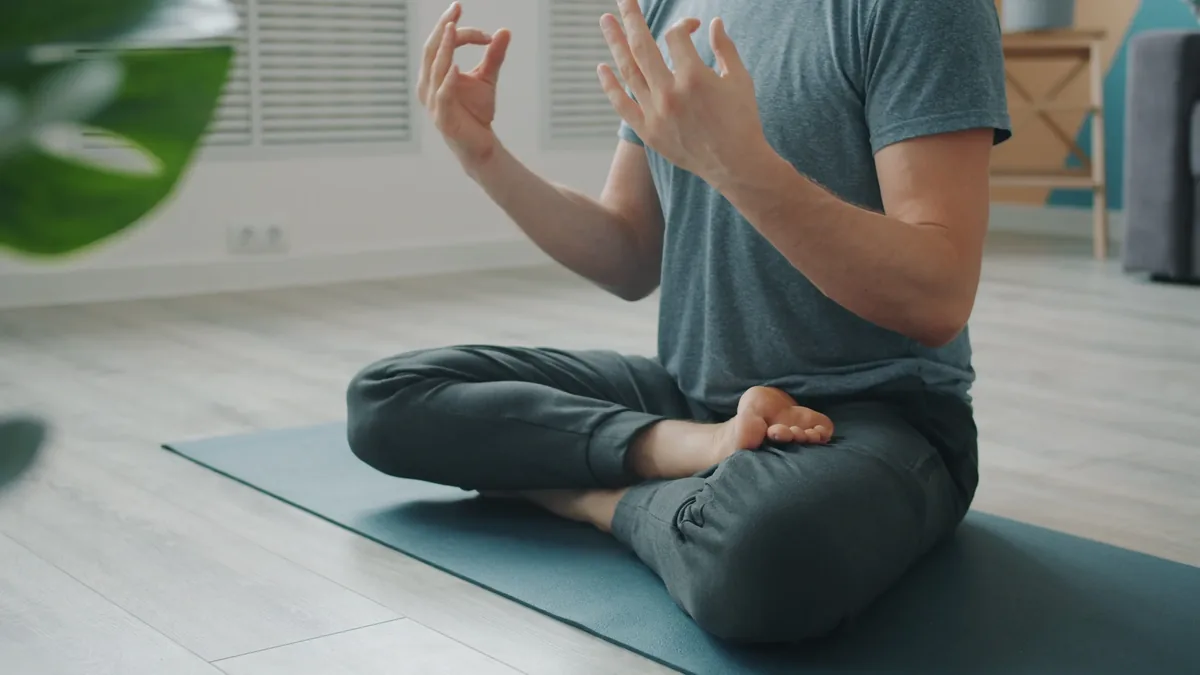
Respiracion Y Relajacion Muscular Progresiva
Origin and history
Respiracion Y Relajacion Muscular Progresiva originates from the United States and was developed in the early 20th century. The technique is a direct combination of two established methods: diaphragmatic breathing and Progressive Muscle Relaxation. Diaphragmatic breathing has roots in ancient yogic and meditative practices, but its modern clinical application began in the early 1900s. Progressive Muscle Relaxation was specifically developed by American physician Edmund Jacobson in the 1920s. Jacobson published his seminal work, "Progressive Relaxation," in 1929, detailing the systematic tensing and releasing of muscle groups. The integration of these two techniques into a single, structured routine for sleep appears to have been formalized by later behavioral sleep therapists in the latter half of the 20th century.
What it is for
This combined technique is primarily for addressing insomnia and sleep-onset difficulties. It is specifically designed to counteract the physiological arousal that prevents sleep, such as muscle tension and a racing mind. The method targets the physical symptoms of anxiety that often accompany bedtime, including shallow chest breathing and a clenched jaw or shoulders. It serves as a behavioral intervention to break the cycle of frustration and worry about not sleeping. The routine is also used to manage general nighttime anxiety and stress that accumulates from the day. Furthermore, it can be a useful tool for individuals who experience physical restlessness or an inability to physically settle into bed.
Overview
Respiracion Y Relajacion Muscular Progresiva is a sequential relaxation routine performed while lying in bed. It begins with a shift from shallow chest breathing to deep, slow diaphragmatic breathing, focusing on the rise and fall of the abdomen. Following several minutes of this regulated breathing, the practitioner then systematically engages the Progressive Muscle Relaxation component. This involves deliberately tensing specific muscle groups throughout the body for a few seconds, then releasing the tension completely and focusing on the sensation of relaxation. The muscle groups are typically worked through in a set order, often starting from the feet and moving upward to the face, or vice versa. The entire process directs attention to bodily sensations and away from ruminative thoughts, leveraging the body's natural relaxation response. The endpoint of the routine is a state of deep physical calm intended to facilitate the natural onset of sleep.
What to know
It is crucial to understand that this is a skill that requires consistent practice to be effective, especially during the daytime, not just at night when distressed. The breathing component should be practiced gently; forcing too deep a breath can cause hyperventilation and counteract relaxation. The tension phase during muscle relaxation should be noticeable but never painful or strenuous, as the goal is contrast, not exercise. The routine is typically performed with eyes closed, in a dark room, and while already in the sleeping position to strengthen the association between the practice and sleep. It is not a quick fix and may take several weeks of nightly use to show significant improvement in sleep latency. Importantly, if intense anxiety or traumatic memories are triggered by focusing on the body, the practice should be discontinued and a healthcare professional consulted.
Common questions
A common question is whether one should continue the routine if they fall asleep partway through, and the answer is no, as falling asleep mid-routine is a sign of success. People often ask how long the entire process should take, with a typical full session lasting between 15 to 20 minutes, though it can be shortened once proficient. Many wonder if they are doing the muscle tension correctly, with the key indicator being a clear, qualitative difference between the tense and relaxed states. Individuals frequently ask if they can listen to music or guided audio, and while guided audio can be helpful for learning, the ultimate goal is to internalize the process without external aids. Another question concerns its use for waking up in the middle of the night, and it is generally recommended to use the technique if awake for more than 20 minutes. Users also inquire about combining it with other sleep hygiene practices, which is not only possible but encouraged for a comprehensive approach.
Pros and cons
A significant pro is that the technique is entirely free, non-pharmacological, and puts the individual in active control of their relaxation process. It has no side effects, unlike sleep medications, and strengthens the mind-body connection over time. A major con is the high initial dropout rate due to frustration; when sleep does not come immediately, users often label the technique as ineffective and abandon it. The practice can backfire if performed with intense effort or expectation, turning it into another performance anxiety task centered on sleep achievement. A common mistake is attempting the full routine for the first time during a night of severe insomnia, which often leads to failure because the skill is not yet learned. Some individuals regret choosing it because they find that the focused attention on their body actually increases their awareness of physical discomfort or heart palpitations, exacerbating anxiety.
Who it suits
This method is best suited for individuals whose primary sleep barrier is physical tension or cognitive arousal that manifests in physical restlessness. It suits people who prefer a structured, step-by-step approach to relaxation and who can commit to a few weeks of consistent practice. It is particularly appropriate for those wary of medication or who have experienced side effects from sleep aids. The technique is less suitable for individuals with chronic pain conditions, as the muscle tensing may aggravate their pain, or for those with certain respiratory issues that make diaphragmatic breathing difficult. It is also a poor fit for people with clinically high levels of anxiety or PTSD who may be triggered by bodily focus, as they likely require more tailored therapeutic support first. Ultimately, it suits a patient and process-oriented person willing to develop a skill without guaranteeing immediate results.