Ritmo Circadiano
Origin and history
The term "ritmo circadiano" originates from the Latin words "circa" (meaning "around") and "diem" (meaning "day"). The foundational scientific concept of circadian rhythms was first documented in the 18th century by astronomer Jean-Jacques d'Ortous de Mairan, who observed daily leaf movements in plants independent of sunlight. Formal biological study of these internal timekeeping systems expanded significantly throughout the 20th century, particularly with research on light's role in entrainment. The phrase itself is widely used in Spanish and Portuguese-speaking scientific communities to describe these 24-hour cycles. The field of chronobiology, which studies these rhythms, was solidified as a distinct discipline in the latter half of the 20th century. The understanding that these rhythms govern core physiological processes like sleep-wake cycles, hormone release, and body temperature is a cornerstone of modern sleep medicine.
What it is for
Circadian rhythm principles are applied to diagnose and treat sleep disorders where the internal biological clock is misaligned with the external environment. The primary clinical application is for circadian rhythm sleep-wake disorders, such as Delayed Sleep-Wake Phase Disorder and Shift Work Disorder. Understanding one's circadian rhythm is also crucial for managing non-24-hour sleep-wake disorder, often seen in individuals who are totally blind. These principles guide interventions aimed at resetting or entraining the body's internal clock to a more desirable or socially conventional schedule. Beyond pathological disorders, circadian rhythm knowledge is used to optimize sleep hygiene and schedule daily activities, like exercise or demanding cognitive work, during peak alertness periods. It also informs the timing of light exposure and darkness to promote better sleep quality and daytime functioning.
Overview
Circadian rhythms are endogenous, roughly 24-hour cycles that regulate the timing of physiological and behavioral processes in virtually all living organisms. In humans, the master circadian clock is located in the suprachiasmatic nucleus (SCN) of the hypothalamus, which synchronizes peripheral clocks in tissues throughout the body. This system is primarily entrained, or synchronized, by environmental cues called zeitgebers, with light being the most powerful. Core body temperature and melatonin secretion are key circadian markers, with temperature reaching a minimum and melatonin peaking during the sleep phase. Disruptions to this system, such as from irregular light exposure, jet lag, or shift work, can lead to significant sleep disturbances and broader health consequences. The study and management of these rhythms form a critical component of behavioral sleep medicine and public health recommendations.
What to know
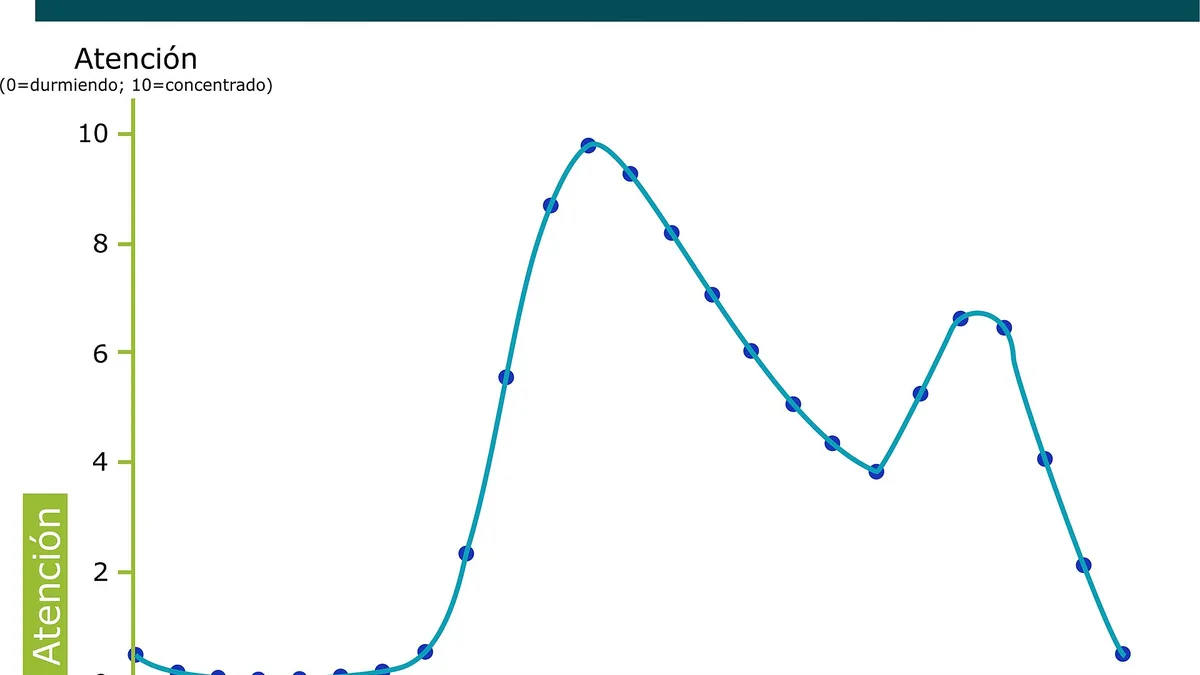
Circadian rhythms are genetically influenced, which explains why some individuals are naturally predisposed to being "night owls" or "early birds." Light exposure, especially blue wavelength light from screens and LEDs, in the evening can delay the circadian clock, making it harder to fall asleep. Conversely, morning bright light exposure can advance the clock, promoting earlier sleep times. Melatonin, a hormone secreted by the pineal gland in response to darkness, is a key chemical signal of the biological night, and its supplemental form can be used as a timing signal to shift rhythms. Maintaining a consistent sleep-wake schedule, even on weekends, is one of the most effective ways to strengthen circadian entrainment. The circadian system also influences alertness, with a natural dip in the early afternoon (often called the post-lunch dip) and a period of increased sleepiness in the early morning hours.
Common questions
A common question is whether one can permanently change their inherent circadian chronotype, to which the answer is that while entrainment can be shifted, the underlying genetic predisposition largely remains. People often ask if sleeping in on weekends "catches up" on sleep, but this practice typically creates social jet lag, making Monday mornings more difficult. Many inquire about the best time to exercise for sleep, with evidence suggesting that afternoon or early evening exercise may help reinforce circadian signals, while vigorous activity too close to bedtime can be disruptive. Individuals frequently wonder how long it takes to adjust to a new time zone, with a general rule being about one day per time zone crossed for the circadian system to fully resynchronize. Questions also arise regarding the use of melatonin supplements, which are most effective as a timing cue for shifting rhythms rather than as a direct sleep-inducing agent. Another frequent query concerns the impact of night shift work, which forces the circadian system into a state of chronic misalignment with significant long-term health risks.
Pros and cons
A significant pro of focusing on circadian rhythm management is that it addresses the root cause of many sleep timing issues rather than just masking symptoms with sedatives. This approach can lead to more sustainable, long-term improvements in sleep quality and daytime alertness without medication dependence. However, a major con is the considerable discipline and consistency required; successful entrainment demands strict adherence to light exposure, sleep schedules, and often dark therapy, which many find socially isolating or impractical. A common mistake is inconsistently applying light therapy or melatonin supplementation, which can further destabilize the rhythm rather than reset it. Individuals often regret choosing a rigid circadian-based schedule when it severely conflicts with social or work obligations, leading to frustration and abandonment of the protocol. Furthermore, for those with a strongly delayed natural chronotype, attempting to conform to a very early schedule can feel perpetually exhausting and may not fully resolve daytime sleepiness.
Who it suits
Circadian rhythm-focused interventions are particularly suited to individuals diagnosed with formal circadian rhythm sleep-wake disorders, such as adolescents and young adults with Delayed Sleep-Wake Phase Disorder. They are also essential for shift workers, especially those on rotating schedules, who need strategies to mitigate the health impacts of circadian misalignment. This approach suits people who are highly disciplined and have control over their light environment and daily schedule, allowing for consistent routine implementation. It is also appropriate for individuals seeking non-pharmacological, long-term solutions to sleep timing problems and those sensitive to or wishing to avoid sleep medications. Travelers who frequently cross multiple time zones may benefit from applying circadian principles to minimize jet lag. However, it is less suited for individuals whose lifestyles are inherently variable or who lack control over their light exposure during critical times, such as some caregivers or those in certain professions.