
Sleeping With Chronic Pain
| Sleep problem | Sleeping With Chronic Pain |
|---|---|
| Original use | Managing sleep disruption caused by persistent pain conditions. |
| Primary goal | To improve sleep quality and duration despite ongoing pain. |
| Key challenge | Pain interferes with sleep onset, maintenance, and architecture. |
| Common approach | Integrated regimen combining pain management and sleep hygiene. |
| Core components | Medication timing, sleep environment adaptation, relaxation techniques. |
| Typical advice | Consistent sleep schedule, strategic pillow support, temperature control. |
| Evidence base | Supported by pain clinics and sleep medicine specialists. |
Origin and history
The challenge of sleeping with chronic pain is not a modern invention but a fundamental human experience documented across millennia. Ancient medical texts from civilizations like Greece and Rome describe sleep disturbances in patients suffering from persistent ailments. Throughout the medieval and early modern periods, chronic pain conditions were often poorly understood, with sleep disruption being an accepted, if debilitating, component. The systematic clinical study of the bidirectional relationship between chronic pain and sleep disorders began to solidify in the latter half of the 20th century. This period saw the establishment of pain management and sleep medicine as distinct medical specialties, which collaboratively addressed the issue. The concept of "sleep hygiene" emerged as a foundational behavioral approach, though its application required significant adaptation for chronic pain patients.
What it is for
This approach is for individuals whose sleep is consistently disrupted by persistent pain lasting three months or longer, as defined by standard medical criteria. It serves to break the vicious cycle where pain impairs sleep, and poor sleep, in turn, lowers pain tolerance and intensifies pain perception the following day. The primary goal is not to eliminate pain entirely for sleep, which is often unrealistic, but to create conditions that maximize the potential for restorative sleep despite pain. It aims to reduce the heightened state of central nervous system arousal that is common in chronic pain, which directly opposes sleep onset and maintenance. Furthermore, it addresses secondary consequences like anxiety about bedtime, which can develop from repeated negative experiences of pain-fueled sleeplessness. Ultimately, its purpose is to improve daytime functioning and quality of life by mitigating one of pain's most debilitating side effects.
Overview
Sleeping with chronic pain is a multidisciplinary management strategy that integrates medical, psychological, and behavioral interventions. It recognizes that effective pain control at night often requires a different protocol than daytime management, potentially involving timed analgesic medication. A core component is Cognitive Behavioral Therapy for Insomnia (CBT-I), specifically adapted for chronic pain populations to address maladaptive sleep thoughts and behaviors. The strategy also incorporates tailored sleep hygiene principles, such as optimizing mattress support and sleep posture to minimize pressure on painful areas. Environmental modifications, including temperature control and the use of supportive pillows, are considered essential physical adjustments. The approach is typically ongoing and requires consistent practice, as improvements in sleep continuity can be gradual and directly influence pain perception.
What to know
Chronic pain alters the architecture of sleep, typically reducing deep, restorative slow-wave sleep and increasing lighter, fragmented sleep stages. Many standard sleep medications, particularly benzodiazepines and non-benzodiazepine receptor agonists, can interfere with natural sleep architecture and pose risks of tolerance and dependence, making them a cautious choice. Opioid pain medications, while sometimes necessary, can themselves suppress deep sleep and cause central sleep apnea in some individuals. A pain and sleep diary is a critical diagnostic tool, used to identify patterns and triggers over a period of several weeks. Collaboration between a pain specialist, a sleep physician, and often a physical therapist or psychologist is frequently the most effective path. It is important to understand that pursuing perfect sleep can become a source of stress; the goal is often "good enough" sleep that provides tangible functional recovery.
Common questions
A common question is whether one should stay in bed despite pain-induced wakefulness or get up; the general guidance is to leave the bed after 20-30 minutes to avoid associating it with frustration. Patients often ask about the best sleep position, which is highly individual and depends on the pain location, but principles of spinal alignment and joint support are universal. Many inquire about over-the-counter sleep aids, which often contain antihistamines that can cause next-day drowsiness, worsen restless legs, and lose effectiveness quickly. The role of naps is frequently questioned, and while short, early naps may be permissible, longer or late naps usually undermine night-time sleep drive. People want to know if a new mattress will solve the problem; while proper support is vital, a mattress alone cannot resolve the complex neurophysiological interplay of pain and sleep. Questions also arise about natural supplements like melatonin or magnesium; evidence is mixed, and these should be discussed with a doctor as they can interact with other medications.
Pros and cons
A significant pro is that successfully improving sleep can lead to a measurable decrease in perceived pain intensity and improved emotional resilience. The behavioral and cognitive techniques learned are non-pharmacological, carry no risk of side effects, and empower the individual with self-management skills. However, a major con is the substantial time, discipline, and often financial cost required for multidisciplinary care and therapies like CBT-I, which are not always accessible. A common mistake is focusing solely on nighttime pain medication without addressing the behavioral and cognitive components of sleep, leading to limited improvement. Many individuals regret prematurely resorting to long-term use of sedative-hypnotic medications, which can create a dependency that complicates both sleep and pain management. The approach can also be psychologically demanding, as it requires consistency even when progress feels slow or nonexistent, leading some to abandon the protocol.
Who it suits
This integrated approach suits individuals who experience chronic pain as their primary barrier to sleep and who are motivated to engage in long-term behavioral change. It is particularly appropriate for patients whose pain conditions are well-diagnosed and under active, coordinated medical management, as untreated pain will override behavioral strategies. It suits those who have the capacity to track symptoms in a diary and to attend regular appointments with healthcare providers. The approach is often necessary for patients who have developed conditioned anxiety around sleep or who have begun misusing medications in an attempt to obtain rest. It is less suited for individuals in acute, severe pain flares that require immediate medical intervention or for those with untreated primary sleep disorders like sleep apnea, which must be addressed first. Ultimately, it is a strategy for patients and clinicians committed to a holistic, sustained effort to improve quality of life.
Latest Sleeping With Chronic Pain news
Latest reporting

Study Finds High Mental Distress in Adult Survivors
A new study reveals nearly half of adult survivors of childhood leukemia experience clinical depression or anxiety, with high rates of fatigue and

AI voice test shows promise for type 2
An AI tool can detect type 2 diabetes from 20-second voice recordings with 80% accuracy, offering a potential new non-invasive screening method to...

GLP-1 Drugs May Cut Heart Risk in Overweight BMI 25-26.9
New research finds nearly half of people with a BMI of 25-26.9 have high remnant cholesterol and inflammation, elevating heart disease risk.

Jaw Pain Disorder Linked to Higher Sleep Apnea Risk
A new study finds patients with temporomandibular disorder are significantly more likely to screen at high risk for obstructive sleep apnea...

Noise Pollution Harms Sleep and Health, Experts Warn
Audiologist Laura Coco explains that chronic environmental noise is a significant public health hazard, disrupting sleep and contributing to...
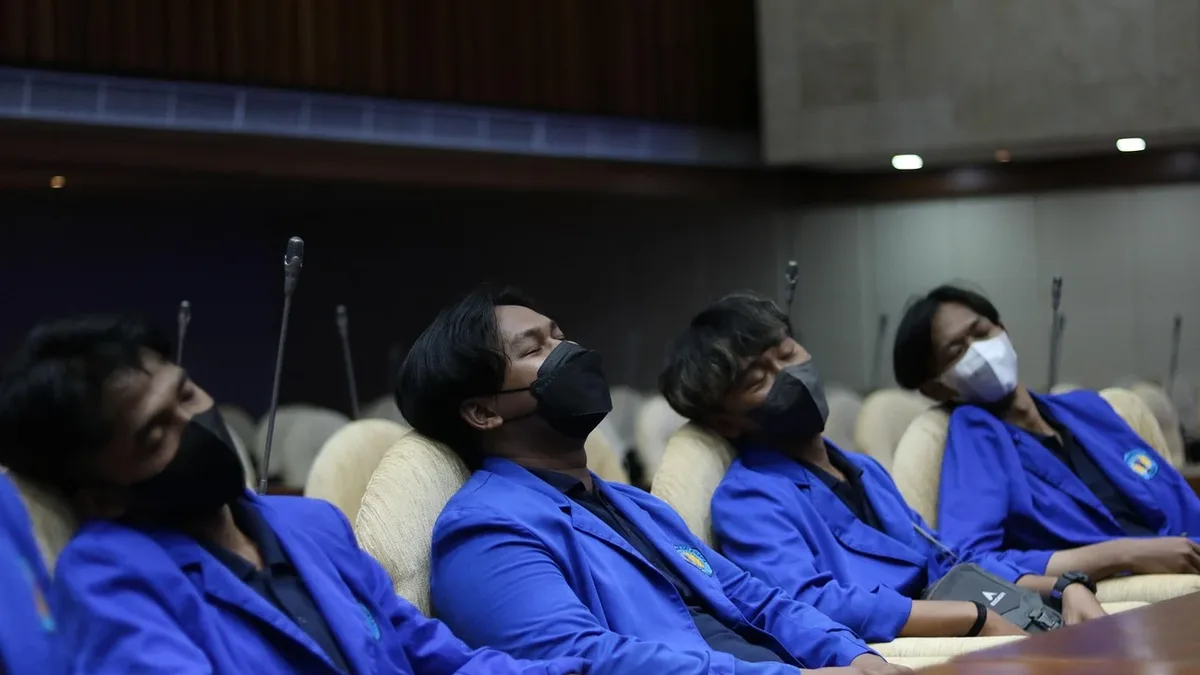
Study Links REM and Deep Sleep to Lower Disease Risk
A large UK Biobank study finds higher amounts of REM and deep sleep are linked to lower risks for dozens of diseases, with less than five hours of...