Monitor De Ruido Ambiental
Origin and history
The modern environmental noise monitor emerged as a distinct consumer electronic device in the late 20th century, alongside growing public and scientific awareness of noise pollution. Its development is rooted in industrial and occupational health sectors, where sound level meters have been used for decades to ensure workplace safety and regulatory compliance. The proliferation of affordable microcontroller technology and sensitive microphone components in the 1990s and 2000s enabled the miniaturization and cost reduction necessary for domestic versions. These devices evolved from basic sound level indicators to sophisticated monitors capable of logging data over time and connecting to other smart home systems. The core concept of measuring ambient noise for health purposes originates from global public health research, notably studies conducted in Europe and North America, linking chronic noise exposure to sleep disturbance and cardiovascular issues. The contemporary environmental noise monitor, as a standalone device for personal use, became widely available to consumers in the early decades of the 21st century.
What it is for
An environmental noise monitor is a device used to quantitatively measure and record the sound pressure levels in a specific environment over time. Its primary function in the context of sleep is to provide objective data about the acoustic conditions of a bedroom, moving beyond subjective perception to concrete decibel readings. This data allows individuals to identify patterns of disruptive noise, such as traffic peaks, household appliance cycles, or neighbor activity, that may be fragmenting their sleep without full conscious awareness. By tracking noise levels throughout the night, users can correlate periods of elevated sound with episodes of wakefulness or poor sleep quality logged in a separate journal or sleep tracker. The monitor serves as a diagnostic tool to validate whether noise is a significant contributor to an individual's sleep problem, which is a crucial first step before investing in interventions like soundproofing or white noise machines. Furthermore, some advanced models can trigger other devices, such as automatically starting a white noise generator when ambient noise exceeds a user-set threshold, creating an active feedback loop for a more controlled sleep environment.
Pros and cons
A significant pro of using an environmental noise monitor is the empowerment that comes from data-driven insight, replacing guesswork about sleep disruptions with actionable evidence. The concrete log of noise events can be invaluable when discussing sleep issues with a healthcare provider or when negotiating for noise mitigation with a landlord or local authority. However, a common con is that the device itself can become a source of anxiety, as users may fixate on the numerical readouts and develop hyper-vigilance towards every minor sound, potentially worsening sleep preoccupation. A genuine drawback is that these monitors only identify the problem; they do not solve it, requiring additional investment and effort in soundproofing, masking, or behavioral changes. Users often regret purchasing a basic model that lacks data logging or threshold alerts, finding a simple real-time decibel display to be of limited practical use for identifying nighttime patterns. Furthermore, the accuracy of low-cost consumer monitors can be questionable, especially for low-frequency sounds like traffic rumble which are particularly disruptive to sleep, leading to potentially misleading data unless one invests in a calibrated, professional-grade meter.
Who it suits
This device suits individuals who suspect, but cannot confirm, that environmental noise is a primary factor in their unrefreshing or interrupted sleep, providing the evidence needed to take the next step. It is particularly well-suited for people living in urban areas, near airports or highways, or in apartments with thin walls, where noise intrusion is likely but its specific timing and intensity are unknown. The environmental noise monitor is a logical tool for those embarking on a methodical, data-informed approach to sleep hygiene, preferring to measure and adjust variables systematically. It also suits individuals considering significant investments in home modifications, such as installing new windows or soundproofing a room, as the data can justify the expense and help measure the improvement afterward. Conversely, it is less suitable for individuals with sleep anxiety disorders where focusing on metrics may be counterproductive, or for those who already know their environment is prohibitively loud and are ready to proceed directly to solutions like high-quality earplugs or a white noise machine without further measurement. Finally, it is a useful tool for parents monitoring a nursery environment or for shift workers who must sleep during the day, a typically noisier period requiring precise assessment.
Latest Monitor De Ruido Ambiental news
Latest reporting
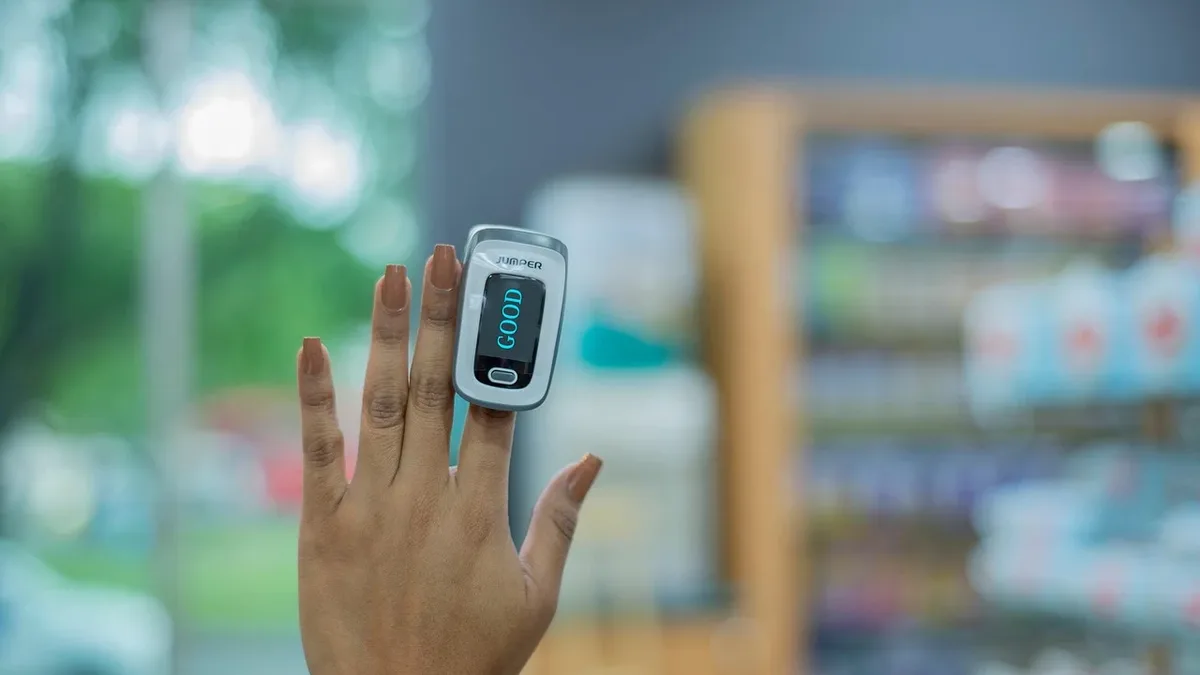
Overnight Pulse Oximetry in Sleep Medicine
A clinical report details how overnight pulse oximetry is used to prescreen for obstructive sleep apnea, monitor treatment, and streamline remote...
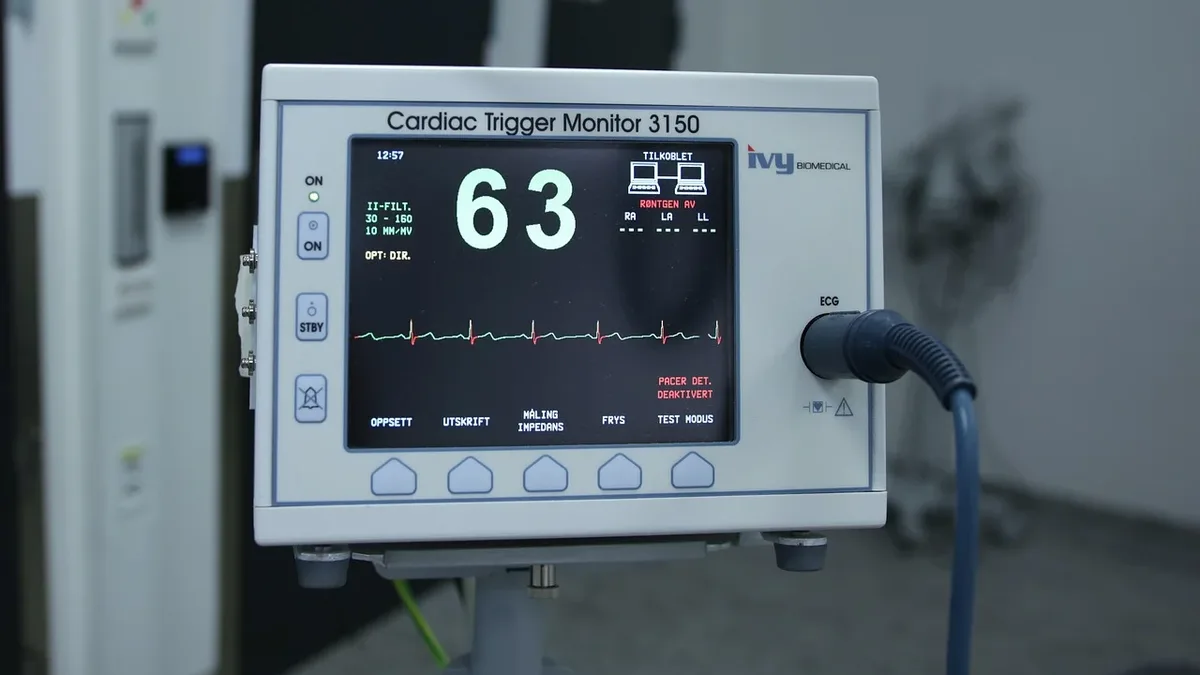
Heart Monitor Cuts Deaths After Fainting
A trial shows wearing a small heart monitor for 14 days after an ER visit for unexplained fainting more than doubles detection of dangerous...