Withings Sleep Analyzer
| Product name | Withings Sleep Analyzer |
|---|---|
| Original use | Non-contact sleep tracking and sleep apnea screening |
| First created | 2019 |
| Country of origin | France |
| Measurement method | Under-mattress sensor with ballistocardiography and micro-movements analysis |
| Data tracked | Sleep cycles, heart rate, breathing disturbances, snoring episodes, sleep duration |
| Compatibility | Connects to Wi-Fi and syncs with Health Mate app |
| Power source | Mains-powered via included adapter |
| Physical dimensions | Thin, rectangular pad designed to be placed under the mattress near the torso |
Origin and history
The Withings Sleep Analyzer originates from France, developed by the consumer electronics company Withings. The device was launched in the late 2010s as part of a broader product ecosystem focused on health monitoring at home. Its development followed earlier Withings products like smart scales and activity trackers, reflecting a growing market interest in quantified self-metrics. The analyzer was designed to integrate seamlessly with the existing Withings Health Mate app, providing users with detailed sleep data without wearable devices. Its creation coincided with increased clinical and consumer recognition of sleep apnea and its health impacts. The product represents a shift from traditional clinical sleep studies to more accessible, long-term home monitoring tools.
What it is for
The Withings Sleep Analyzer is a non-contact sleep tracking mat placed under the mattress to monitor sleep cycles and detect sleep disturbances. Its primary function is to analyze sleep architecture, including light, deep, and REM sleep stages, throughout the night. A key medical purpose is the screening of sleep apnea by detecting breathing disturbances and providing a risk assessment score. The device also tracks heart rate and snoring episodes, offering insights into potential causes of sleep fragmentation. It serves as a tool for individuals seeking to understand long-term sleep patterns and correlations with lifestyle factors. The collected data is intended to inform discussions with healthcare professionals and to motivate improvements in sleep hygiene.
Pros and cons
A significant pro is its unobtrusive design, as it requires no wearables and automatically begins tracking upon contact. The sleep apnea screening feature provides valuable preliminary data that can prompt further medical investigation. However, a common con is its reliance on accurate placement under the mattress, where incorrect positioning can lead to unreliable data. Some users regret the purchase if they expect clinical-grade accuracy, as it is a screening tool and not a diagnostic polysomnogram replacement. The device's integration is largely limited to the Withings ecosystem, which can be frustrating for those using other health platforms. A frequent mistake is users neglecting to correlate the data with lifestyle factors, rendering the information interesting but not actionable.
Who it suits
This device suits individuals curious about their sleep patterns who prefer a set-and-forget system without wearing a device. It is appropriate for those with a suspicion of mild sleep disturbances, such as snoring or restless sleep, who want preliminary data before consulting a doctor. The Sleep Analyzer is a good fit for users already invested in the Withings ecosystem who want to add sleep data to their existing health metrics. It is less suitable for individuals seeking a medically definitive diagnosis for complex sleep disorders, as it is not a clinical tool. The product also suits tech-comfortable users who will consistently engage with the accompanying app to review trends. It is not ideal for people who frequently change beds or use very thick, multi-layered mattresses that may impede sensor accuracy.
Latest Withings Sleep Analyzer news
Latest reporting
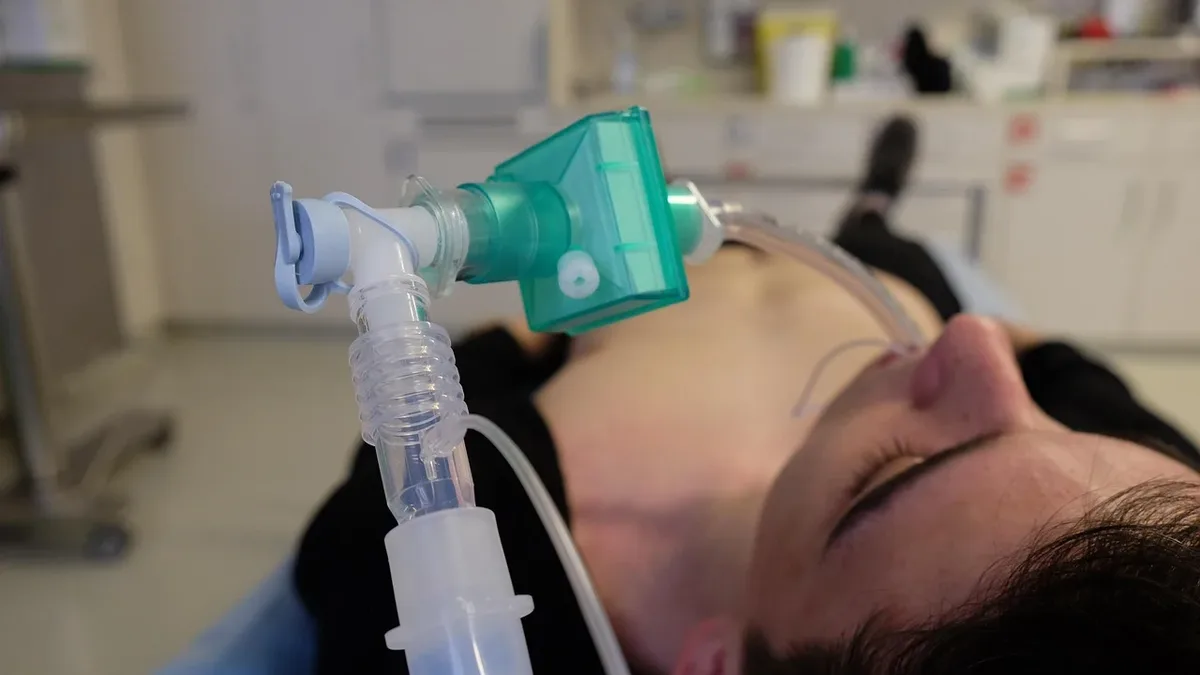
Jaw Pain Disorder Linked to Higher Sleep Apnea Risk
A new study finds patients with temporomandibular disorder are significantly more likely to screen at high risk for obstructive sleep apnea...

Grants Fund Sleep Research for Parkinson's Disease
The Michael J. Fox Foundation and Parkinson's UK have awarded grants for two research projects investigating whether improving restorative sleep can...
Noise Pollution Harms Sleep and Health, Experts Warn
Audiologist Laura Coco explains that chronic environmental noise is a significant public health hazard, disrupting sleep and contributing to...
Tsukuba Researchers Measure Sleep Quality at Population
Researchers at the University of Tsukuba are using home EEG devices, smartphone apps, and health records to objectively measure sleep quality in large
Mattress Topper Review Tests Comfort and Sleep Quality
A product reviewer tested 13 bestselling mattress toppers to assess their impact on sleep comfort, identifying top picks for budget, cooling, and firm
Study Links REM and Deep Sleep to Lower Disease Risk
A large UK Biobank study finds higher amounts of REM and deep sleep are linked to lower risks for dozens of diseases, with less than five hours of...