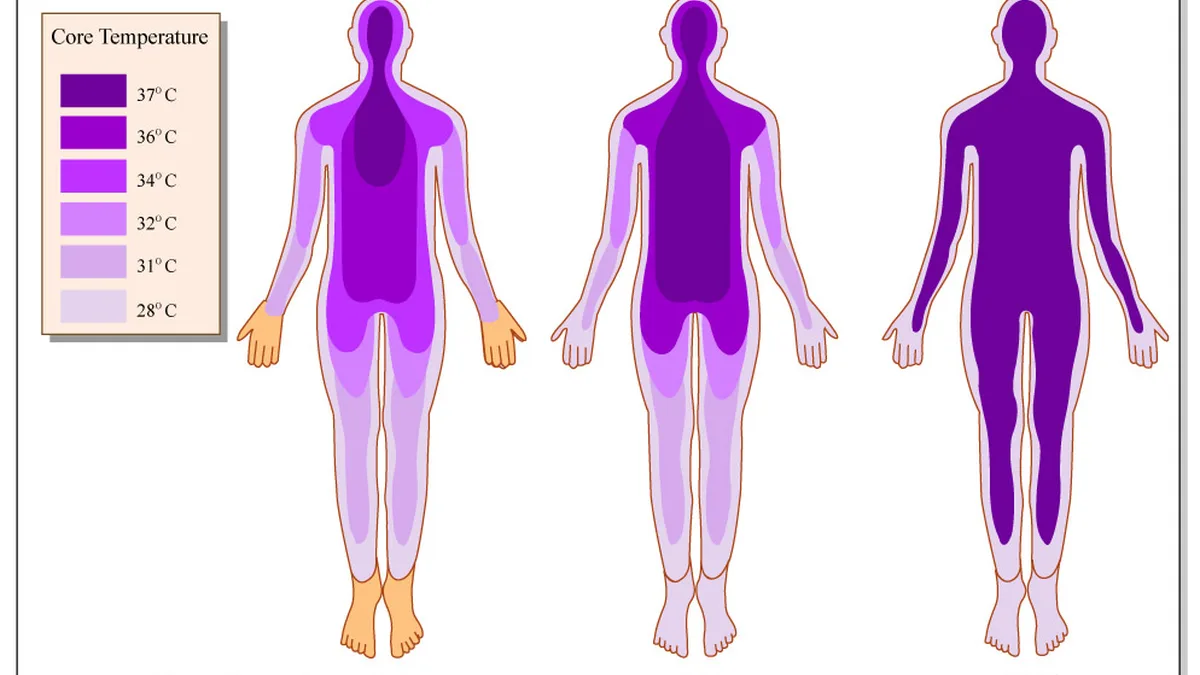
Body Temperature And Sleep
| Core mechanism | Thermoregulation and circadian rhythm |
|---|---|
| Optimal sleep temperature range | Approximately 60–67°F (15.5–19.5°C) |
| Typical intervention | Bedroom climate control and bedding selection |
| Key physiological process | Distal vasodilation (heat loss through extremities) |
| Common aggravating factor | Overheating due to heavy bedding or high room temperature |
| Primary goal of routine | Facilitate the body's natural core temperature drop |
Origin and history
The scientific understanding of the intrinsic link between core body temperature and sleep regulation originates from foundational physiological research conducted largely in Europe and North America during the mid-20th century. Key discoveries were made in the 1950s and 1960s as researchers began to systematically chart the human circadian rhythm. Scientists identified that the body's internal temperature follows a predictable daily cycle, independent of external conditions, governed by the suprachiasmatic nucleus in the hypothalamus. This research established that the circadian temperature rhythm is a fundamental driver of the sleep-wake cycle, not merely a consequence of it. The practical application of temperature manipulation for sleep improvement, however, has roots in various traditional practices, including the use of hot baths before bed in cultures like Japan. The modern conceptualization of targeted temperature regulation as a sleep solution coalesced in the late 20th century with the advancement of sleep science and thermoregulation studies.
What it is for
This approach is for individuals seeking to improve sleep initiation, or sleep onset, and to enhance overall sleep quality by aligning with the body's natural thermoregulatory processes. It specifically addresses difficulties with falling asleep, which can be exacerbated by an elevated core body temperature at bedtime. The method is also employed to reduce nighttime awakenings, which can occur if the body struggles to maintain an optimal temperature range throughout the sleep cycle. Furthermore, it serves to strengthen the circadian rhythm by providing a consistent thermal signal that reinforces the body's internal clock. It can be a foundational component of sleep hygiene for those with non-pathological insomnia or general sleep dissatisfaction. The principles are also utilized by athletes and shift workers to strategically manipulate sleep timing and recovery.
Overview
The core principle is that sleep onset is tightly coupled to a distinct drop in the body's core temperature. This temperature decline, typically of about 1-2 degrees Fahrenheit, signals the brain that it is time for sleep and facilitates the release of sleep-promoting hormones like melatonin. The process involves two key components: the warming of the body's shell (skin, hands, and feet) to encourage heat dissipation from the core, and the subsequent cooling of the sleeping environment to maintain a lower core temperature throughout the night. This vasodilation, where blood vessels near the skin's surface widen, is the body's natural heat-loss mechanism. Therefore, interventions based on this principle either aim to initiate this heat-loss process or to create an environment that sustains it. It is a non-pharmacological, behavioral, and environmental strategy rooted in human physiology.
What to know
The body's temperature minimum occurs in the early morning hours, typically around 4-5 a.m., and its peak is in the late afternoon or early evening. A warm bath or shower taken 1-2 hours before bed is effective not because it cools you, but because it raises your core temperature slightly, triggering a compensatory cooling response that accelerates the natural pre-sleep temperature drop. Bedroom temperature is critical, with most research suggesting an optimal range between 60-67 degrees Fahrenheit (15.5-19.5 degrees Celsius) for most adults. Bedding and sleepwear should be made of breathable, moisture-wicking materials like cotton or linen to avoid trapping heat and humidity. Conversely, cold feet can prevent vasodilation, so wearing socks to bed can be beneficial if it helps initiate peripheral warming. Consistency in bedtime routines that incorporate temperature cues is as important as the specific actions taken.
Common questions
A common question is whether a cold room alone is sufficient, to which the answer is no, as the initial heat-loss process must be actively triggered, often through prior warming. People often ask if cooling mattresses or pillows are necessary, but these are typically supplemental tools and not a replacement for managing the core environmental temperature and personal routine. Many inquire about the safety of taking hot baths for those with cardiovascular issues, and such individuals should always consult a physician before adopting this practice. A frequent concern is how to manage temperature preferences with a partner, which can often be addressed through dual-zone bedding, adjustable mattress pads, or layered bedding systems. Individuals often wonder if this method works in all climates, and while environmental control can be more challenging in extreme heat, the principles of facilitating heat loss through moisture management and airflow remain valid. People also ask about the role of exercise, noting that while regular exercise improves sleep, vigorous activity too close to bedtime can raise core temperature and be counterproductive.
Pros and cons
A significant pro is that it is a natural, accessible, and cost-effective intervention with no risk of medication side effects or dependency. It works in harmony with the body's innate biology, potentially strengthening the overall circadian system beyond just sleep. However, a common con is the initial discomfort or adjustment period, particularly for those accustomed to very warm sleeping environments, which can temporarily worsen sleep. The approach can also be impractical or expensive in regions with extreme climates, requiring substantial energy use for air conditioning or creating conflicts in shared sleeping spaces. A frequent mistake is over-cooling the room to an uncomfortable degree, which can cause shivering and arousal, as the goal is to support the body's own cooling, not to induce cold stress. Individuals who regret this approach are often those who implement it inconsistently or who have an underlying sleep disorder, such as sleep apnea, for which temperature management alone is an insufficient treatment.
Who it suits
This approach is particularly well-suited for healthy adults experiencing sleep-onset insomnia linked to feeling too warm or having a racing mind at bedtime. It suits individuals who prefer non-pharmacological, behavioral strategies and are willing to consistently adjust their evening routine and sleep environment. People who naturally sleep hot or experience night sweats due to hormonal changes, such as during menopause, may find specific relief from the cooling aspects of this method. It is also suitable for athletes focused on optimizing recovery, as sleep quality directly impacts physical restoration. The method is less suited for individuals with circulatory disorders, thyroid dysfunction, or certain neurological conditions that impair normal thermoregulation, as they may not respond predictably. It is generally not a standalone solution for individuals with severe, chronic insomnia or other diagnosed sleep disorders, who require comprehensive medical evaluation and potentially multi-modal treatment.
Latest Body Temperature And Sleep news
Latest reporting
Jaw Pain Disorder Linked to Higher Sleep Apnea Risk
A new study finds patients with temporomandibular disorder are significantly more likely to screen at high risk for obstructive sleep apnea...

Grants Fund Sleep Research for Parkinson's Disease
The Michael J. Fox Foundation and Parkinson's UK have awarded grants for two research projects investigating whether improving restorative sleep can...
Noise Pollution Harms Sleep and Health, Experts Warn
Audiologist Laura Coco explains that chronic environmental noise is a significant public health hazard, disrupting sleep and contributing to...
Tsukuba Researchers Measure Sleep Quality at Population
Researchers at the University of Tsukuba are using home EEG devices, smartphone apps, and health records to objectively measure sleep quality in large
Mattress Topper Review Tests Comfort and Sleep Quality
A product reviewer tested 13 bestselling mattress toppers to assess their impact on sleep comfort, identifying top picks for budget, cooling, and firm
Study Links REM and Deep Sleep to Lower Disease Risk
A large UK Biobank study finds higher amounts of REM and deep sleep are linked to lower risks for dozens of diseases, with less than five hours of...