Deep Sleep And Rem Sleep
| Recall | Deep Sleep And Rem Sleep |
|---|---|
| Original use | Diagnosis and treatment of sleep disorders |
| First documented | Mid-20th century |
| Key physiological markers | Brain wave patterns (EEG), eye movement, muscle tone |
| Typical adult proportion | 75-80% Non-REM (includes deep sleep), 20-25% REM sleep |
| Primary function (Deep Sleep) | Physical restoration, memory consolidation |
| Primary function (REM Sleep) | Brain development, emotional processing, dreaming |
| Common associated disorders | Sleep apnea, narcolepsy, REM sleep behavior disorder |
| Typical treatment approaches | CPAP therapy, cognitive behavioral therapy for insomnia (CBT-I), medication |
Origin and history
The scientific study and classification of sleep stages, including deep sleep and REM sleep, originated from mid-20th century neurological research, primarily in the United States. The foundational discovery of distinct sleep phases is credited to the work of physiologists Eugene Aserinsky and Nathaniel Kleitman at the University of Chicago in the 1950s. Their use of electroencephalography (EEG) to record brain activity during sleep led to the identification of rapid eye movement (REM) sleep as a unique state. Subsequent research throughout the latter half of the 20th century further delineated non-REM sleep into stages, with deep sleep (stages 3 and 4 in older classification, now N3) being characterized by slow-wave brain activity. These discoveries moved sleep science from a monolithic view of rest to a nuanced understanding of a cyclical architecture. The terminology and conceptual models of deep sleep and REM sleep are now stable, widely-established facts in sleep medicine and neuroscience.
What it is for
Deep sleep and REM sleep serve distinct, critical physiological and psychological functions essential for human health. Deep sleep, or slow-wave sleep, is primarily for physical restoration, including tissue repair, muscle growth, and the release of growth hormone. This stage is also crucial for strengthening the immune system and facilitating cellular recovery processes. REM sleep, characterized by rapid eye movements and heightened brain activity, is fundamentally for cognitive and emotional functions, such as memory consolidation and learning integration. It plays a key role in processing emotional experiences and is believed to support brain development and neural plasticity. Both stages are integral to maintaining metabolic health, regulating mood, and ensuring overall cognitive performance upon waking.
Overview
Sleep architecture follows a cyclical pattern throughout the night, alternating between non-REM (which includes light and deep sleep) and REM sleep periods. A typical night involves four to six cycles, each lasting approximately 90 minutes, with the proportion of each stage shifting as sleep progresses. Deep sleep predominates in the first half of the night, during the initial sleep cycles, and its duration generally decreases with each successive cycle. Conversely, REM sleep periods become progressively longer in the second half of the night, with the final REM period potentially lasting up to an hour. Disruptions to this architecture, such as frequent awakenings, can prevent the completion of full cycles, impairing the benefits of both deep and REM sleep. Understanding this structure is foundational for diagnosing sleep disorders and evaluating sleep quality.
What to know
It is important to know that both deep sleep and REM sleep are non-negotiable biological needs, not optional luxuries. While total sleep time matters, the proportion and quality of these specific stages are more direct indicators of restorative sleep. Deep sleep is often the most difficult stage to achieve and is the first to be sacrificed when sleep is curtailed or fragmented. REM sleep can be suppressed by substances like alcohol and certain medications, despite their sedative effects, leading to an imbalance in sleep architecture. Aging naturally alters this architecture, with a significant decrease in deep sleep time and a potential reduction in REM sleep consolidation. Monitoring tools like clinical polysomnography can measure these stages, but consumer sleep trackers provide only estimates and should not be used for diagnostic purposes.
Common questions
A common question is whether it is possible to increase the amount of deep sleep or REM sleep one gets each night. While you cannot directly control sleep stages, optimizing sleep hygiene, consistent schedule, dark/cool room, limiting stimulants, creates the conditions for natural, cyclical sleep. People often ask if dreaming only occurs during REM sleep; while dreams are most vivid and frequent in REM, less memorable dreaming can occur in other sleep stages. Another frequent inquiry concerns whether missing REM sleep one night leads to a "REM rebound" the next; the brain does prioritize REM sleep in subsequent nights after deprivation, often leading to more intense dreams. Many wonder if naps can provide these stages; short naps typically only reach light sleep, while longer naps (90+ minutes) may include deep and REM sleep but can disrupt nighttime cycling.
Pros and cons
The primary advantage of achieving robust deep and REM sleep is comprehensive physiological and mental restoration, which underpins nearly every aspect of health and daily functioning. A consistent, full sleep architecture supports long-term cognitive health, emotional resilience, and metabolic regulation. The significant drawback is the extreme vulnerability of this architecture to disruption from lifestyle factors, environmental noise, stress, and substance use. Common mistakes include using alcohol as a sleep aid, which suppresses REM, or sleeping with ambient light, which can shallow deep sleep. Many people regret prioritizing late-night screen time or irregular bedtimes, which directly fragment sleep cycles. The most frequent consequence of poor sleep stage quality is waking unrefreshed despite adequate time in bed, leading to daytime fatigue and impaired concentration.
Who it suits
A sleep routine that prioritizes deep and REM sleep suits anyone seeking to optimize physical recovery, cognitive function, and emotional well-being. It is particularly critical for athletes and individuals engaged in heavy physical training, as deep sleep is essential for muscle repair and hormonal balance. Students, academics, and professionals in learning-intensive fields benefit profoundly from uninterrupted REM sleep for memory consolidation and problem-solving. Individuals recovering from illness or injury require ample deep sleep to support immune function and healing processes. Conversely, those with untreated sleep disorders like sleep apnea severely disrupt these stages and require medical intervention to restore healthy architecture. Ultimately, anyone dependent on peak mental or physical performance the following day is a candidate for a routine designed to protect deep and REM sleep.
Latest Deep Sleep And Rem Sleep news
Latest reporting
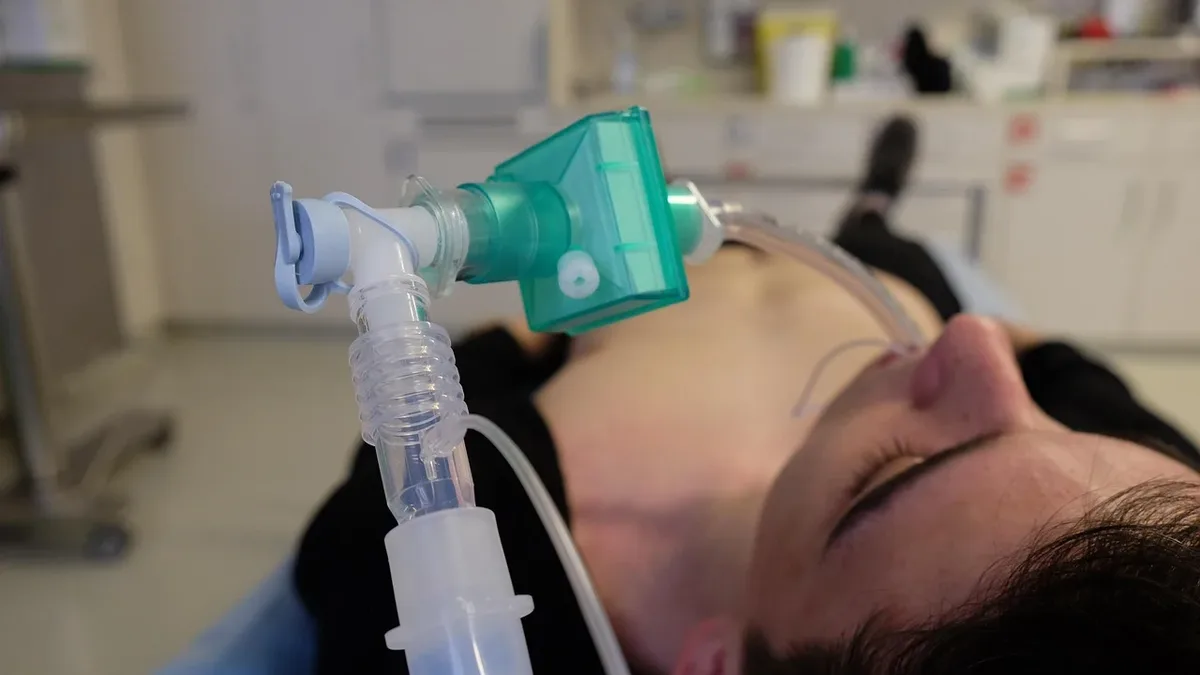
Jaw Pain Disorder Linked to Higher Sleep Apnea Risk
A new study finds patients with temporomandibular disorder are significantly more likely to screen at high risk for obstructive sleep apnea...

Grants Fund Sleep Research for Parkinson's Disease
The Michael J. Fox Foundation and Parkinson's UK have awarded grants for two research projects investigating whether improving restorative sleep can...

Noise Pollution Harms Sleep and Health, Experts Warn
Audiologist Laura Coco explains that chronic environmental noise is a significant public health hazard, disrupting sleep and contributing to...

Tsukuba Researchers Measure Sleep Quality at Population
Researchers at the University of Tsukuba are using home EEG devices, smartphone apps, and health records to objectively measure sleep quality in large

Mattress Topper Review Tests Comfort and Sleep Quality
A product reviewer tested 13 bestselling mattress toppers to assess their impact on sleep comfort, identifying top picks for budget, cooling, and firm

Study Links REM and Deep Sleep to Lower Disease Risk
A large UK Biobank study finds higher amounts of REM and deep sleep are linked to lower risks for dozens of diseases, with less than five hours of...