
Homeostatic Regulation And Sleep Pressure
| Core mechanism | Adenosine accumulation in the brain during wakefulness |
|---|---|
| Primary symptom | Intense, persistent sleepiness |
| Typical onset | With prolonged wakefulness |
| Key physiological marker | High delta wave activity in NREM sleep |
| Common aggravating factor | Insufficient or fragmented sleep |
| Primary countermeasure | Sufficient, consolidated sleep |
| Original use of term | Describes a fundamental biological drive for sleep |
Origin and history
The concept of Homeostatic Regulation and Sleep Pressure originates from the field of sleep physiology and neuroscience, with its foundations developed primarily in Europe and North America during the 20th century. The core idea is rooted in the broader scientific understanding of homeostasis, a principle established by physiologist Claude Bernard in France in the 19th century and later refined by Walter Cannon in the United States in the early 1900s. The specific application of homeostatic principles to sleep-wake regulation began to be formally articulated in the 1970s and 1980s. This period saw the formulation of the two-process model of sleep regulation, which explicitly proposed a homeostatic process (Process S) interacting with a circadian process (Process A). The model was a collaborative scientific advancement rather than a single invention, emerging from sleep research laboratories internationally as they quantified the dynamics of sleep pressure.
What it is for
Homeostatic regulation of sleep pressure serves the fundamental biological function of maintaining adequate sleep quantity and quality to ensure proper brain and bodily function. It is the primary mechanism that creates the increasing urge to sleep the longer an individual remains awake, thereby enforcing sleep as a non-negotiable physiological need. This system functions to promote sleep recovery following periods of wakefulness, facilitating the restorative processes that occur during sleep, such as cellular repair and memory consolidation. It acts as a critical counterbalance to the alerting signals from the circadian system, ensuring that sleep can occur even during the biological day if the need is sufficiently high. The system is essential for cognitive performance, as it directly influences abilities like attention, vigilance, and learning capacity throughout the waking day. Ultimately, it exists to protect the organism from the severe detrimental effects of total sleep deprivation, which can be fatal.
Overview
Sleep pressure, governed by homeostatic regulation, is a neurobiological state that accumulates as a function of time spent awake and dissipates during sleep. The primary neurochemical correlate of this pressure is the accumulation of adenosine in the basal forebrain and other key brain regions, which inhibits wake-promoting neural systems. This homeostatic process, designated Process S in the two-process model, operates independently of the time of day but interacts dynamically with the circadian rhythm (Process C) to determine the timing and structure of sleep. The level of sleep pressure is reflected in physiological measures such as slow-wave activity (high-amplitude delta waves) in the electroencephalogram (EEG) during non-REM sleep, which is high at sleep onset after prolonged wakefulness and decreases exponentially across the night. The system is remarkably precise, with the rate of buildup and dissipation being influenced by factors like age, prior sleep history, and individual genetic differences. Its operation is a foundational pillar of sleep-wake regulation, explaining phenomena like rebound sleep after deprivation and the depth of sleep following extended wakefulness.
What to know
The buildup of sleep pressure is not linear; it rises steeply during biological daytime hours and may plateau or rise more slowly in the evening, influenced by the circadian system. Naps, especially long ones containing slow-wave sleep, will reduce the overall level of sleep pressure, potentially affecting the ability to fall asleep later at night. Caffeine and other stimulants work primarily by blocking adenosine receptors, thereby artificially and temporarily reducing the perceived feeling of sleep pressure without actually clearing adenosine from the brain. Chronic sleep restriction, such as consistently sleeping only six hours per night, leads to a cumulative sleep debt, meaning sleep pressure may never be fully dissipated, resulting in a persistent background deficit. The homeostatic system interacts with age, as the intensity of sleep pressure and the resulting slow-wave sleep decline significantly from childhood through old age. Ignoring high sleep pressure through forced wakefulness can lead to microsleeps, which are brief, uncontrollable episodes of sleep lasting a few seconds, demonstrating the brain's ultimate priority for sleep.
Common questions
A common question is whether sleeping in on weekends can fully repay a week's worth of accumulated sleep debt; while it can help, it often does not fully reverse all cognitive deficits and may disrupt the following week's circadian rhythm. People often ask if feeling alert in the evening after a full day awake means their sleep pressure is low; this is typically the result of a strong circadian wake signal masking the underlying high sleep pressure, which will become apparent once that signal wanes. Many wonder if they can train their body to need less sleep by consistently sleeping fewer hours, but this does not reduce the biological need; it merely creates a persistent, detrimental sleep debt. A frequent query is about the difference between feeling tired and feeling sleepy; tiredness can be physical or mental fatigue, while sleepiness specifically refers to the drive for sleep created by homeostatic pressure. Individuals often ask if exercise increases sleep pressure; while it can promote deeper sleep later, the immediate effect of moderate exercise is often alerting, and its primary impact may be on sleep quality rather than the direct drive for sleep onset.
Pros and cons
The primary pro of this system is its robust, automatic, and non-negotiable enforcement of sleep, which is critical for survival and long-term health. It provides a clear, biologically-driven signal to seek sleep, protecting cognitive resources and promoting recovery. A significant con is that in modern society, where artificial light and social schedules override natural cues, the subjective feeling of sleepiness can be ignored or masked, leading individuals to accumulate dangerous levels of sleep debt without immediate, obvious penalty. The common mistake is misinterpreting the temporary alertness provided by caffeine or evening circadian peaks as a sign of low sleep pressure, leading to further delayed bedtimes. Many people regret attempting to "hack" this system by chronically restricting sleep, as the long-term consequences on metabolism, immune function, and mental health are severe and insidious. The system is also inflexible; it cannot be rapidly reset or overridden for extended periods without significant performance degradation and health risks, making it poorly suited to shift work or frequent jet lag.
Who it suits
This physiological process universally suits all humans and is a non-negotiable component of human biology. It particularly suits individuals with regular, consistent sleep schedules aligned with their circadian rhythm, as this allows for the optimal, synchronous interaction between Process S and Process C. People who are adept at recognizing and heeding their own body's signals of accumulating sleep pressure, such as yawning, heavy eyelids, and lapses in attention, can successfully manage this system to maintain alertness. It is inherently less suited to individuals in professions requiring acute alertness at times of high sleep pressure, such as night-shift workers, long-haul truck drivers, or medical residents, creating a state of chronic misalignment. The system also poses challenges for individuals with certain sleep disorders, such as insomnia, where anxiety and hyperarousal can disrupt the normal perception and discharge of sleep pressure. While the mechanism itself is immutable, a lifestyle that respects its demands, prioritizing sufficient sleep duration and consistent timing, is best suited for long-term health and cognitive performance.
Latest Homeostatic Regulation And Sleep Pressure news
Latest reporting
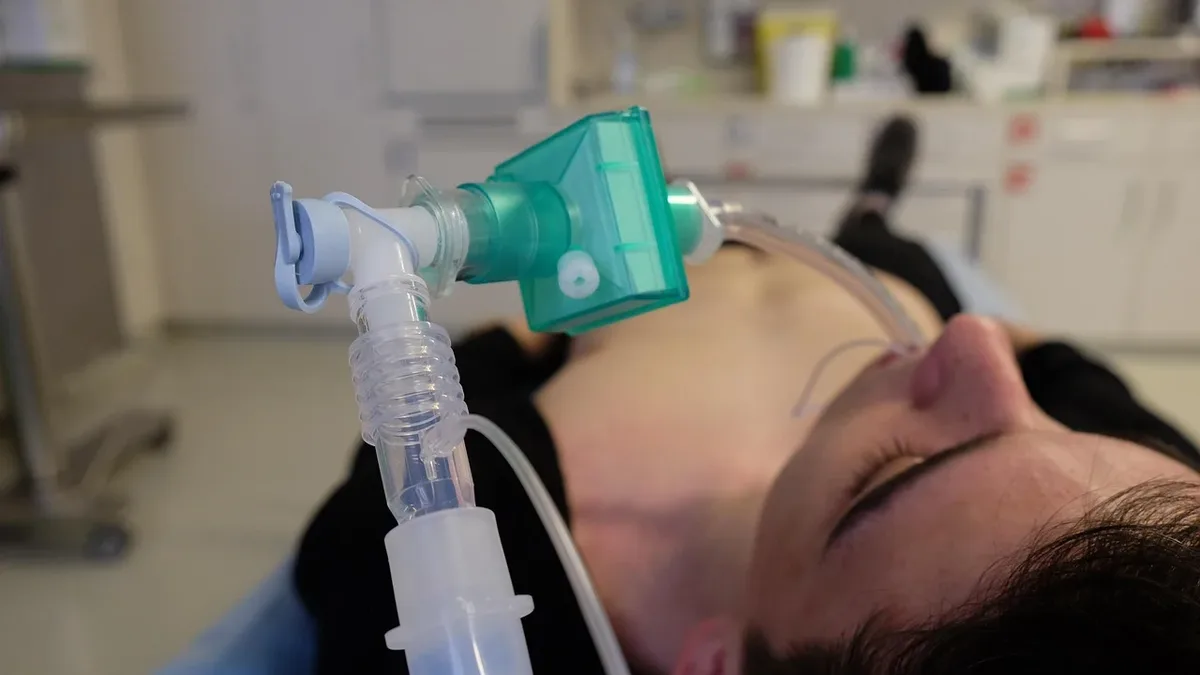
Jaw Pain Disorder Linked to Higher Sleep Apnea Risk
A new study finds patients with temporomandibular disorder are significantly more likely to screen at high risk for obstructive sleep apnea...

Grants Fund Sleep Research for Parkinson's Disease
The Michael J. Fox Foundation and Parkinson's UK have awarded grants for two research projects investigating whether improving restorative sleep can...
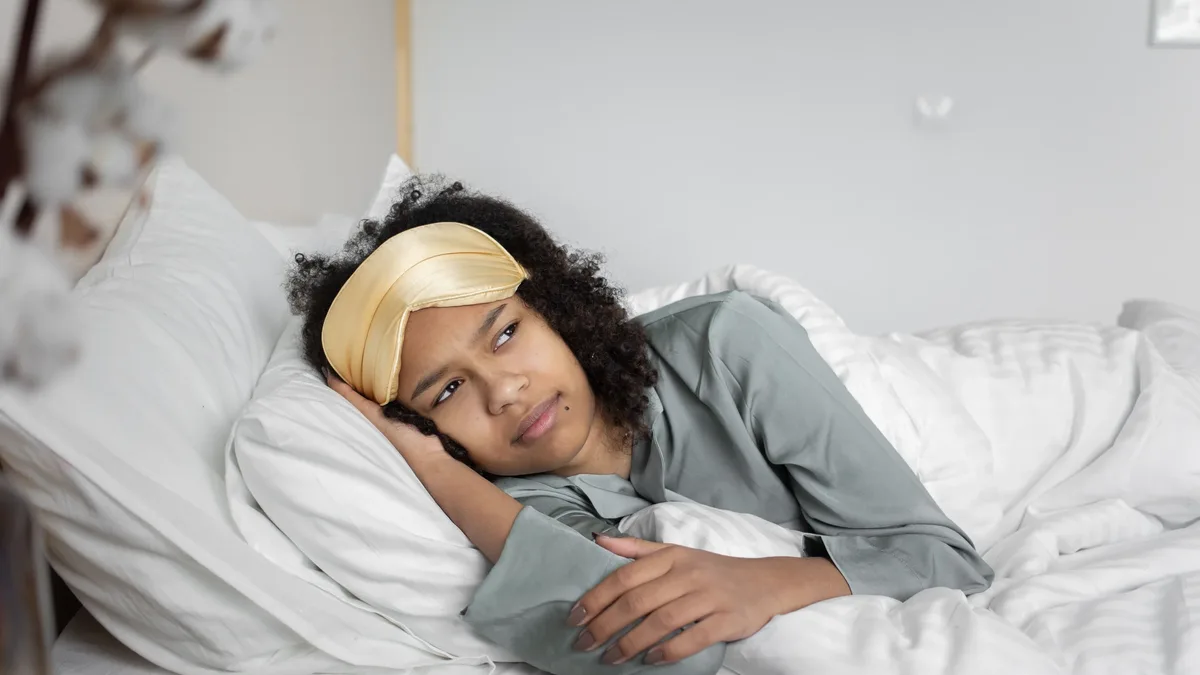
Noise Pollution Harms Sleep and Health, Experts Warn
Audiologist Laura Coco explains that chronic environmental noise is a significant public health hazard, disrupting sleep and contributing to...

Tsukuba Researchers Measure Sleep Quality at Population
Researchers at the University of Tsukuba are using home EEG devices, smartphone apps, and health records to objectively measure sleep quality in large
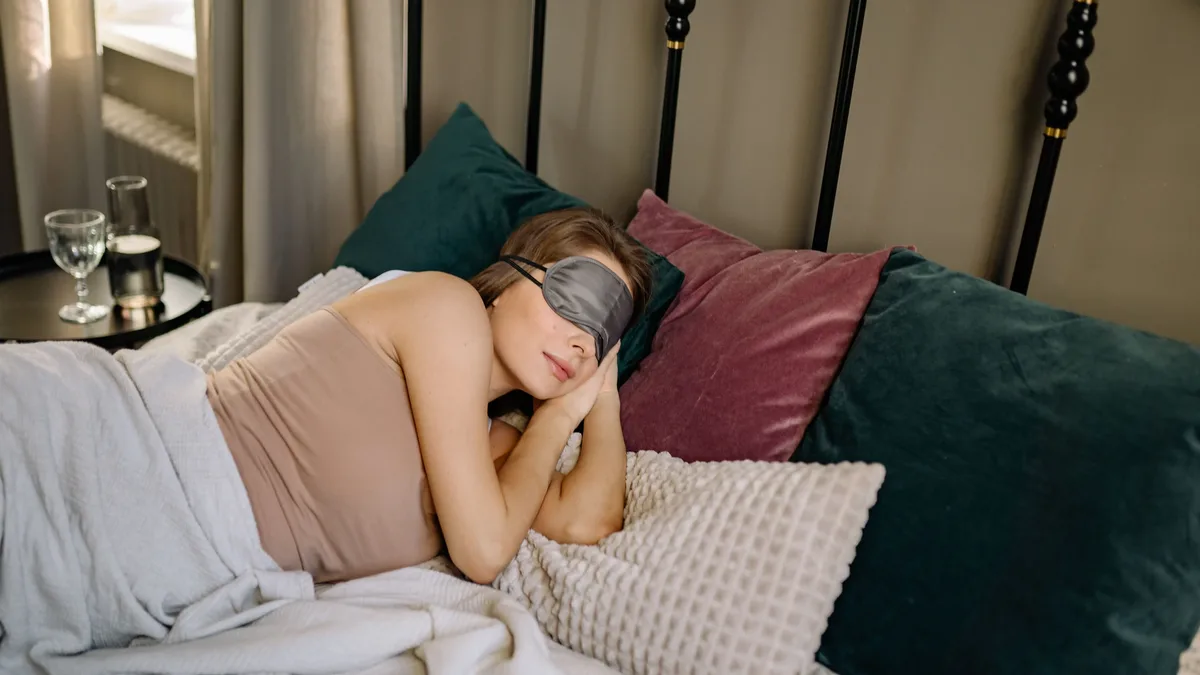
Mattress Topper Review Tests Comfort and Sleep Quality
A product reviewer tested 13 bestselling mattress toppers to assess their impact on sleep comfort, identifying top picks for budget, cooling, and firm
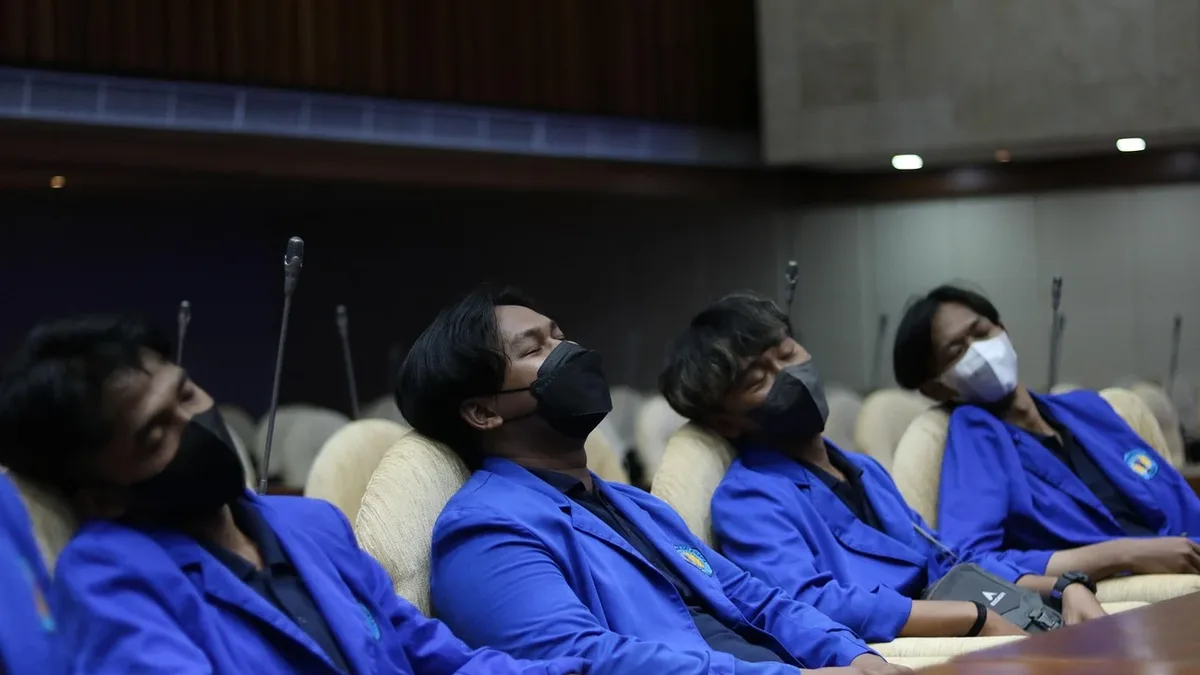
Study Links REM and Deep Sleep to Lower Disease Risk
A large UK Biobank study finds higher amounts of REM and deep sleep are linked to lower risks for dozens of diseases, with less than five hours of...