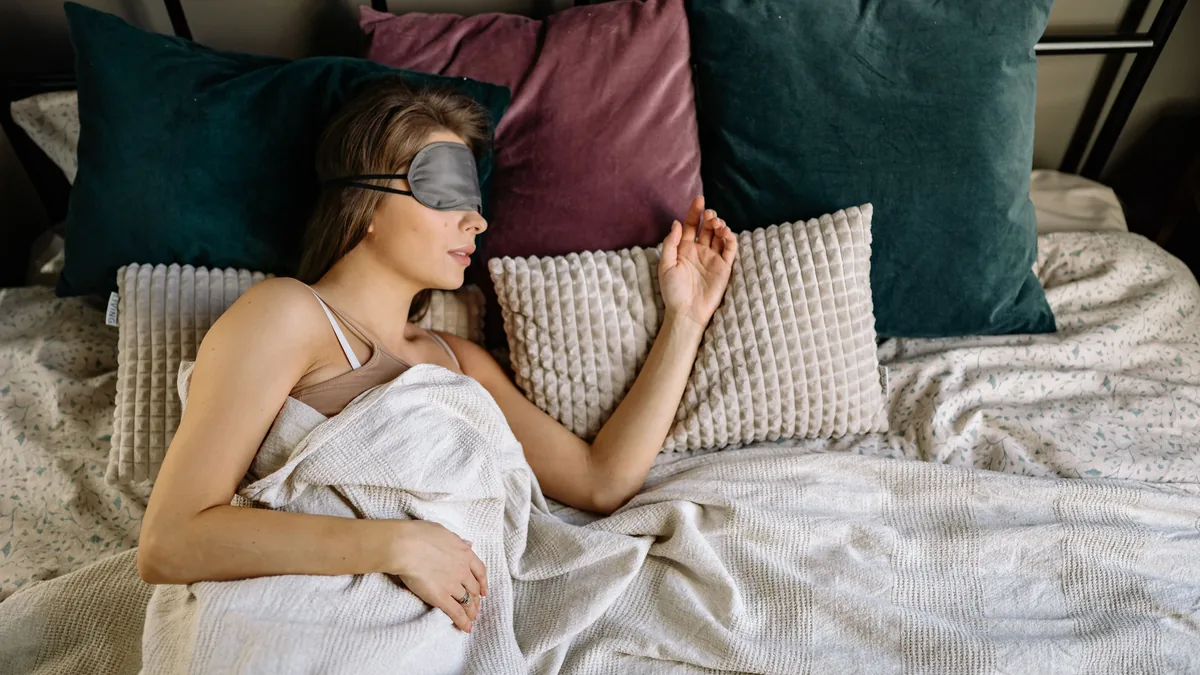
Sleep After A Hospital Stay
| Recall | Sleep After A Hospital Stay |
|---|---|
| Causal factors | Post-operative pain, medication side effects, unfamiliar environment, hospital schedule disruption |
| Common symptoms | Fragmented sleep, difficulty initiating sleep, daytime fatigue |
| Primary goal | Re-establishing consistent sleep-wake cycle |
| Key environmental adjustment | Optimizing home bedroom for darkness, quiet, and comfort |
| Behavioral foundation | Consistent sleep schedule and pre-bed routine |
| Medical consideration | Managing pain and reviewing medications with a doctor |
| Timeframe for resolution | Varies; often improves over several days to weeks |
Origin and history
The documented concern over sleep disruption following hospitalization is a focus of modern Western medicine, particularly from the late 20th century onwards. Its recognition emerged alongside the growing medical specialization of hospitalist medicine and increased research into post-hospital syndrome. The formal study of this problem accelerated in the 1990s and 2000s as patient-reported outcomes and quality of life became more central to healthcare evaluation. Prior to this period, sleep disturbances were often viewed as an unavoidable or secondary consequence of illness rather than a distinct complication requiring targeted management. The problem is not tied to a single country but is a well-established phenomenon in hospital systems across North America, Europe, and other developed regions. Its historical roots lie in the gradual understanding that the hospital environment itself is profoundly disruptive to normal sleep-wake cycles.
What it is for
This routine addresses the significant and persistent sleep disturbances many patients experience after being discharged from a hospital. It is designed to re-establish a healthy circadian rhythm and improve sleep quality, which is crucial for physical recovery and cognitive function. The approach aims to mitigate the specific factors that cause post-hospital insomnia, such as residual pain, medication side effects, anxiety, and the disorienting effects of the hospital environment. It serves to prevent the development of chronic insomnia following an acute medical event or surgical procedure. Implementing this routine can help reduce the risk of readmission, as poor sleep is linked to impaired immune function and slower healing. Ultimately, it is for restoring a fundamental biological process that is essential for full convalescence.
Overview
Sleep after a hospital stay is typically characterized by fragmented sleep, difficulty falling asleep, early morning awakenings, and non-restorative sleep. This condition arises from a combination of factors inherent to the hospitalization experience rather than from the initial illness alone. Key disruptive elements include constant noise from medical equipment and staff, frequent nighttime interruptions for monitoring or medication, and the absence of natural light cues. The routine to address it involves a multi-faceted approach focusing on sleep hygiene, environmental optimization, and gradual reintegration of normal daytime activities. It is not a single treatment but a coordinated set of behavioral and environmental adjustments. The overview acknowledges that recovery of normal sleep patterns can take weeks or even months following a lengthy or intensive hospital admission.
What to know
Understand that sleep medications used in the hospital, such as certain sedatives or opioids for pain, can have lingering effects that disrupt natural sleep architecture for days or weeks after discharge. Know that a primary goal is to re-synchronize your internal body clock, which requires consistent exposure to bright light during the day and darkness at night. It is important to recognize that excessive napping during the day, while tempting due to fatigue, can perpetuate nighttime insomnia and should be limited. Patients should be aware that some degree of sleep anxiety is common, where the bed becomes associated with frustration rather than rest, requiring specific cognitive techniques. You should know that communicating with your primary care physician about ongoing sleep problems is essential, as they can review medications and rule out other medical causes. Finally, understand that progress is often gradual and non-linear, requiring patience and consistent application of the routine rather than seeking an immediate cure.
Common questions
Patients often ask how long it will take for their sleep to return to normal, with the answer varying significantly based on the length of hospitalization, age, and overall health. A frequent question is whether over-the-counter sleep aids are safe to use, which should always be discussed with a pharmacist or doctor due to potential interactions with post-discharge medications. Many individuals inquire if consuming alcohol will help them sleep, not realizing it typically worsens sleep quality in the latter half of the night and can interfere with recovery. People commonly ask if they should just stay in bed longer in the morning to catch up on sleep, which can actually delay the recalibration of the sleep-wake cycle. Another common question concerns the role of caffeine, with the general guidance being to avoid it entirely in the afternoon and evening during the recovery period. Patients also often wonder if their pre-hospital sleep problems will return or be amplified, which is a valid concern that should be part of a longer-term management plan.
Pros and cons
A significant pro of diligently following a post-hospital sleep routine is the acceleration of overall physical and mental recovery, as quality sleep directly supports healing and cognitive clarity. The behavioral focus of the routine avoids the potential side effects and dependency risks associated with long-term use of prescription sleep medications. A clear con is that the routine demands considerable discipline and patience from individuals who are already fatigued and may be managing other post-discharge care instructions, leading to high rates of non-adherence. Many individuals regret not starting the routine sooner, as they allow poor sleep habits to become entrenched in the first critical days at home, making correction more difficult. A common mistake is overly rigid application, such as lying in bed for hours in frustration, which can increase sleep anxiety; flexibility and getting out of bed after a period of wakefulness is often more effective. The routine can also be challenging for those without a supportive home environment or those who live alone, as there is no external accountability or assistance.
Who it suits
This routine is particularly suited to patients who have undergone elective surgeries or planned hospital admissions, as they can proactively prepare their home environment and schedule for sleep recovery. It is well-suited to individuals who are generally disciplined with structured routines and are motivated to actively participate in their own recovery process. Patients who experienced significant delirium or confusion in the hospital may benefit greatly from the circadian-stabilizing aspects of the routine. It suits those who have a identified and modifiable cause for their sleep disruption, such as pain management that can be optimized or a bedroom that can be made darker and quieter. The approach is also appropriate for individuals wary of adding new medications to their regimen post-discharge. Conversely, it may be less immediately suitable for patients with severe, pre-existing sleep disorders like sleep apnea, which require separate, specific medical intervention alongside behavioral changes.
Latest Sleep After A Hospital Stay news
Latest reporting

Exercise Slows Aging, Boosts Memory in Breast Cancer
A 12-month exercise program improved memory and slowed epigenetic aging in breast cancer survivors, though cognitive gains faded after one year.
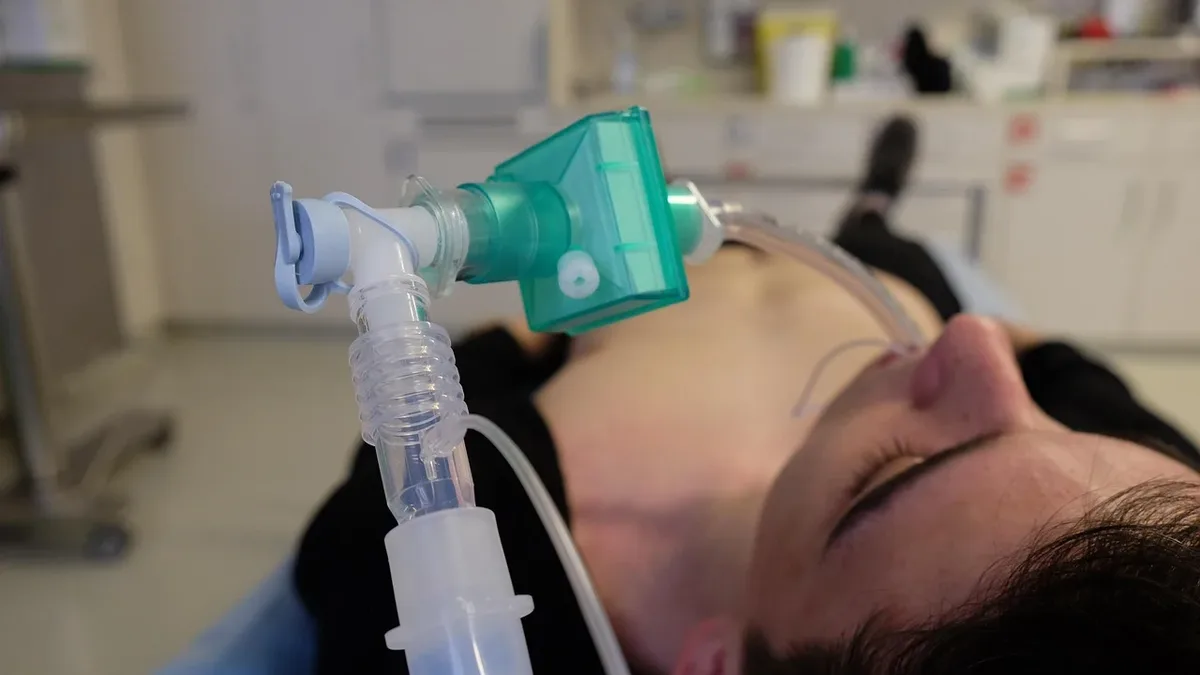
Jaw Pain Disorder Linked to Higher Sleep Apnea Risk
A new study finds patients with temporomandibular disorder are significantly more likely to screen at high risk for obstructive sleep apnea...

Grants Fund Sleep Research for Parkinson's Disease
The Michael J. Fox Foundation and Parkinson's UK have awarded grants for two research projects investigating whether improving restorative sleep can...

Noise Pollution Harms Sleep and Health, Experts Warn
Audiologist Laura Coco explains that chronic environmental noise is a significant public health hazard, disrupting sleep and contributing to...
Tsukuba Researchers Measure Sleep Quality at Population
Researchers at the University of Tsukuba are using home EEG devices, smartphone apps, and health records to objectively measure sleep quality in large
Mattress Topper Review Tests Comfort and Sleep Quality
A product reviewer tested 13 bestselling mattress toppers to assess their impact on sleep comfort, identifying top picks for budget, cooling, and firm