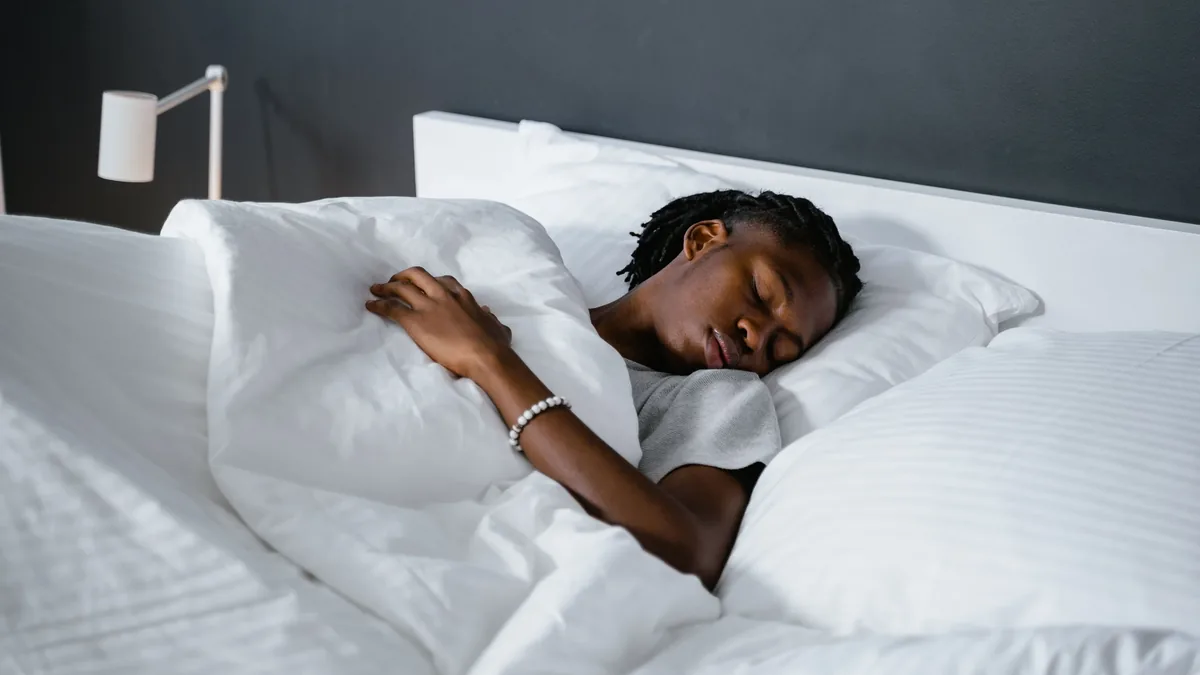
Sleep And Anxiety
| Core symptom | Difficulty initiating or maintaining sleep due to excessive worry or fear |
|---|---|
| Primary mechanism | Hyperarousal of the nervous system inhibiting sleep onset |
| Common triggers | Generalized worry, panic attacks, PTSD, anticipatory anxiety |
| Typical treatment approach | Cognitive Behavioral Therapy for Insomnia (CBT-I), often combined with anxiety management |
| First-line behavioral strategy | Sleep restriction and stimulus control to rebuild sleep drive |
| Common medication classes | SSRIs, benzodiazepines (short-term), sedating antidepressants |
| Original use of CBT-I | Developed specifically to treat chronic insomnia without primary reliance on medication |
Origin and history
The conceptual linkage between sleep and anxiety is not a modern discovery but has roots in ancient medical traditions. Greek and Roman physicians in the classical era, such as Galen, documented observations that states of worry and fear could disrupt normal sleep patterns. In the 19th century, with the formalization of psychiatry, clinicians began to more systematically describe insomnia as a core symptom of what was then termed "nervousness" or neurasthenia. The specific term "sleep anxiety" or "nocturnal anxiety" emerged more prominently in the late 20th century alongside the development of cognitive behavioral models. This period saw increased clinical focus on the bidirectional relationship, where anxiety causes poor sleep and poor sleep exacerbates anxiety. The formalization of Cognitive Behavioral Therapy for Insomnia (CBT-I) in the late 20th and early 21st centuries provided a structured framework for addressing this cycle.
What it is for
This approach is for individuals who experience a persistent cycle where anxiety interferes with the ability to fall or stay asleep. It specifically targets the conditioned arousal and worry that become associated with the bed and bedtime. The routines and treatments are designed to break the association between the sleep environment and states of hypervigilance or rumination. They aim to reduce somatic anxiety symptoms, such as a racing heart or tension, that are incompatible with sleep onset. Furthermore, they address cognitive anxiety, which involves intrusive worries about the consequences of not sleeping. The ultimate purpose is to restore both sleep quality and a sense of control and safety around the process of sleeping.
Overview
Sleep and anxiety disorders maintain a complex, reciprocal relationship that forms a self-perpetuating cycle. Anxiety activates the body's sympathetic nervous system, releasing cortisol and adrenaline, which are physiologically opposed to the state of relaxation needed for sleep. Over time, individuals may develop conditioned anxiety specifically towards the bed itself, known as psychophysiological insomnia. Common clinical presentations include lying awake with racing thoughts, muscle tension, and dread about the upcoming day's fatigue. Treatment typically involves a multi-component approach targeting both the cognitive distortions about sleep and the maladaptive behaviors surrounding it. Successful intervention requires consistent practice over weeks to weaken the entrenched associative pathways between bedtime and threat.
What to know
It is critical to understand that the goal is not to eliminate anxiety entirely before bed, but to manage it to a level that allows sleep to occur naturally. Sleep effort, or trying too hard to force sleep, often backfires by increasing performance anxiety and alertness. The sleep system operates on automaticity, and interventions work by removing the obstacles of anxiety, not by directly imposing sleep. Consistent wake times and limiting time in bed are often more foundational than bedtimes for recalibrating the sleep drive. Substances like alcohol or caffeine, while sometimes used to manage anxiety or induce drowsiness, typically fragment sleep architecture and worsen anxiety in the long term. Professional guidance from a therapist trained in CBT-I is recommended for severe cases, as self-help attempts can sometimes reinforce the cycle if improperly applied.
Common questions
A common question is whether medication is the only solution, and the answer is that while medications can be useful for short-term relief, they do not address the underlying conditioned anxiety and can lead to dependency. People often ask if exercising before bed helps, but vigorous exercise too close to bedtime can be activating, whereas gentle stretching or yoga may be beneficial for reducing physical tension. Many wonder if napping to catch up on lost sleep is advisable, but napping typically reduces the homeostatic sleep drive at night, potentially worsening nighttime anxiety and insomnia. Individuals frequently question why they can sleep well on vacation but not at home, which often highlights the role of conditioned cues and reduced pressure in a different environment. A prevalent query concerns how long treatment takes, with most structured programs like CBT-I requiring a diligent commitment of six to eight weeks to see sustained change. People also ask about the use of sleep trackers, which can inadvertently fuel anxiety by creating excessive focus on imperfect data and promoting orthosomnia.
Pros and cons
A significant pro of a structured behavioral approach is that it addresses the root cause of the problem without reliance on medication, leading to durable long-term improvements in both sleep and daytime anxiety. It empowers individuals with self-management skills and breaks the helplessness often felt within the cycle. A major con is the requirement for high discipline and initial discomfort, as techniques like sleep restriction often temporarily increase daytime sleepiness before improving sleep efficiency. Many individuals regret choosing only medication without behavioral therapy, as they often experience rebound insomnia and anxiety upon discontinuation. A common mistake is inconsistently applying stimulus control instructions, such as using the bed for anxious ruminating instead of leaving it, which reinforces the negative association. The approach can also be challenging for individuals with irregular work schedules or family obligations that make strict sleep-wake routines difficult to maintain.
Who it suits
This approach is best suited for individuals with psychophysiological insomnia, where anxiety about sleep itself is a primary maintaining factor. It is appropriate for those who are motivated to engage in daily behavioral and cognitive practices and who can tolerate a short-term increase in fatigue for long-term gain. People with generalized anxiety disorder or other anxiety disorders often benefit significantly, as improving sleep can reduce overall symptom severity. It is less suited as a sole intervention for individuals whose primary issue is untreated sleep apnea, restless legs syndrome, or other medical sleep disorders, which require separate diagnosis and management. It may also be challenging for those in acute crisis or with severe depression, where stabilizing the immediate condition may need to precede focused sleep therapy. The routines are generally adaptable but require a basic ability to maintain a consistent sleep-wake schedule most days of the week.
Latest Sleep And Anxiety news
Latest reporting

Study Finds High Mental Distress in Adult Survivors
A new study reveals nearly half of adult survivors of childhood leukemia experience clinical depression or anxiety, with high rates of fatigue and
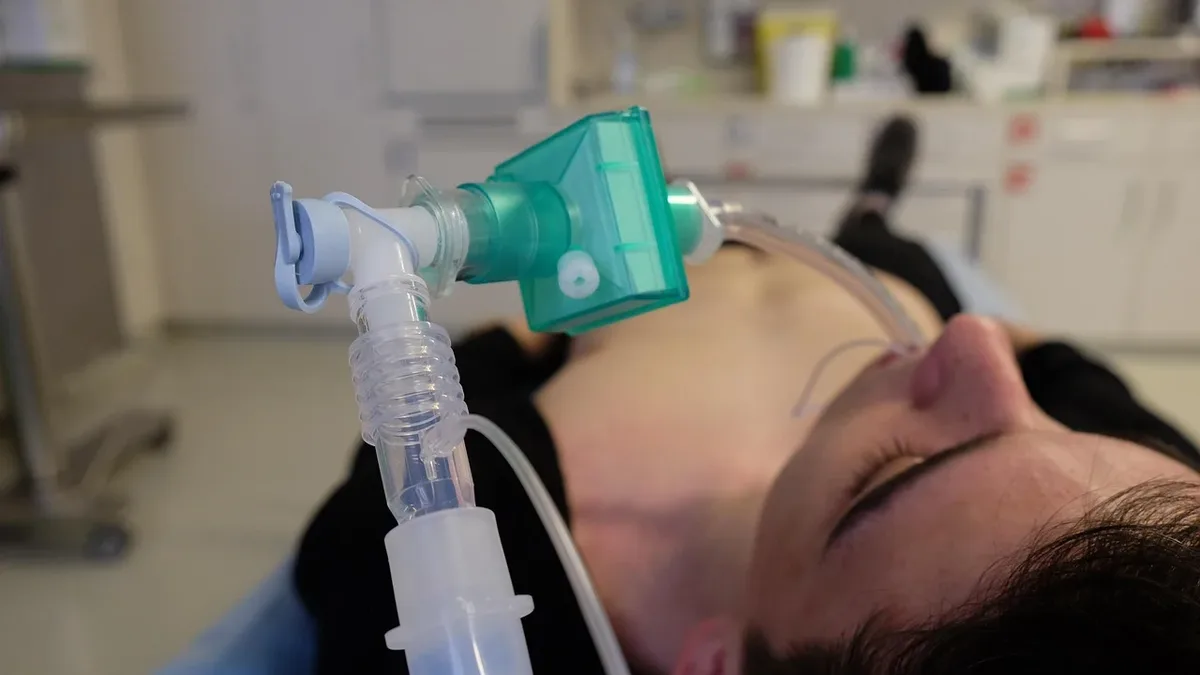
Jaw Pain Disorder Linked to Higher Sleep Apnea Risk
A new study finds patients with temporomandibular disorder are significantly more likely to screen at high risk for obstructive sleep apnea...

Grants Fund Sleep Research for Parkinson's Disease
The Michael J. Fox Foundation and Parkinson's UK have awarded grants for two research projects investigating whether improving restorative sleep can...
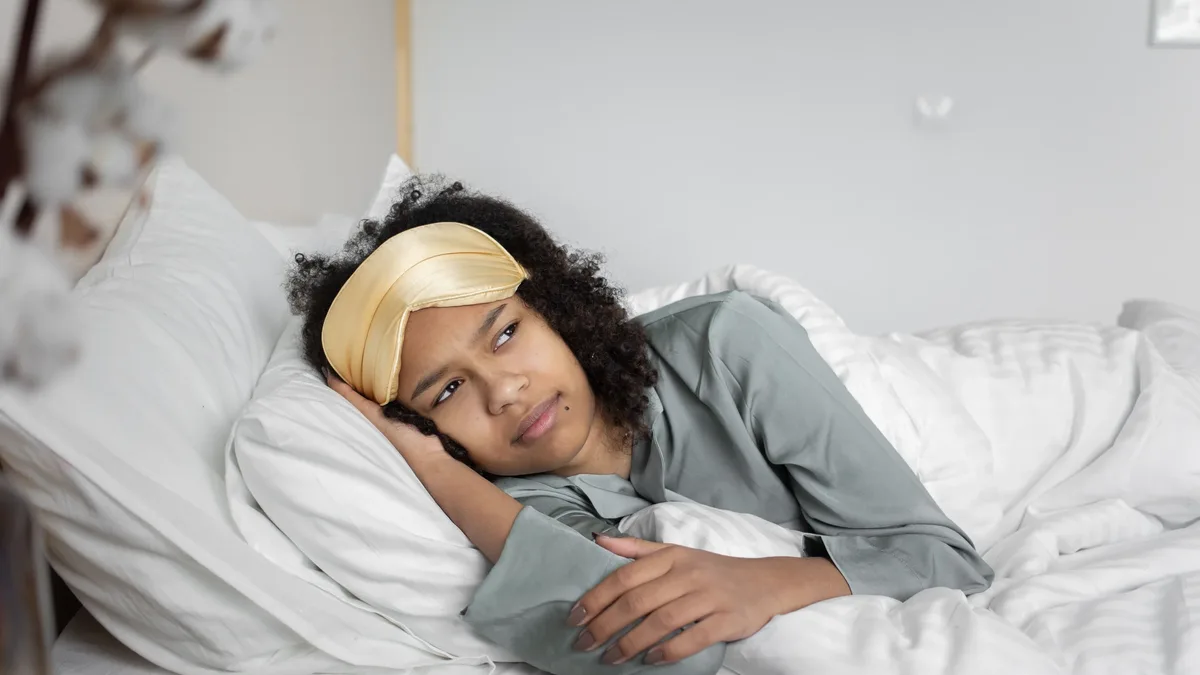
Noise Pollution Harms Sleep and Health, Experts Warn
Audiologist Laura Coco explains that chronic environmental noise is a significant public health hazard, disrupting sleep and contributing to...
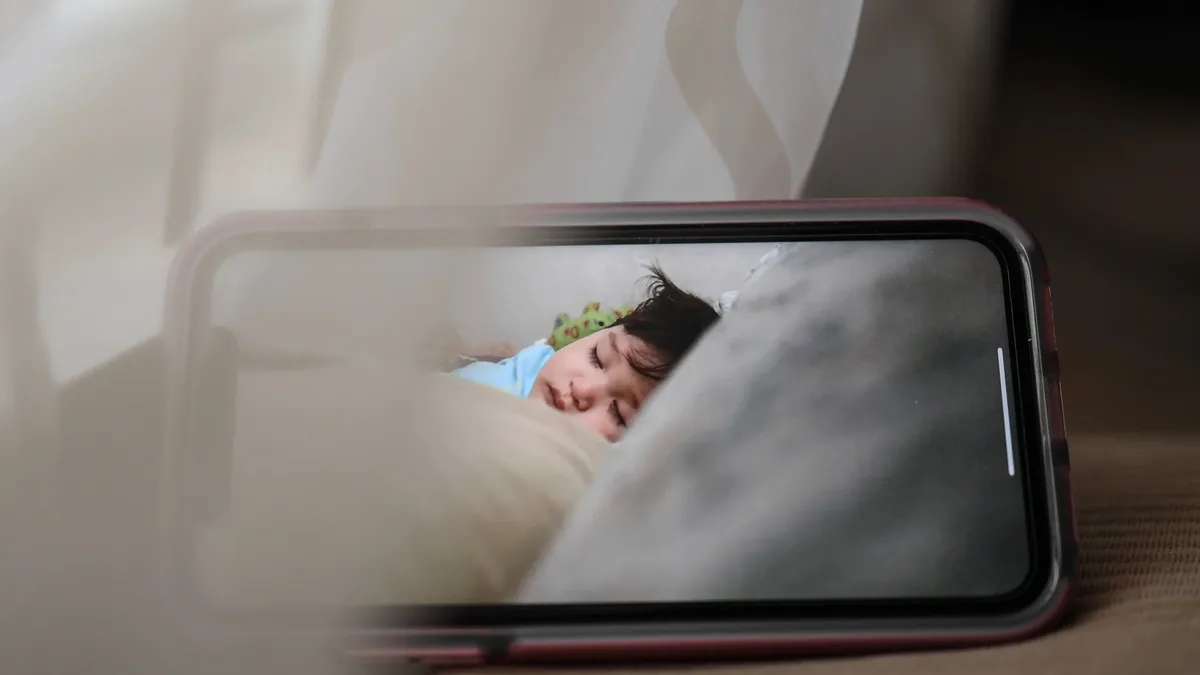
Tsukuba Researchers Measure Sleep Quality at Population
Researchers at the University of Tsukuba are using home EEG devices, smartphone apps, and health records to objectively measure sleep quality in large
Mattress Topper Review Tests Comfort and Sleep Quality
A product reviewer tested 13 bestselling mattress toppers to assess their impact on sleep comfort, identifying top picks for budget, cooling, and firm