
Sleep And Depression Or Anxiety
Origin and history
The clinical observation that sleep disturbances and mood disorders frequently co-occur has been documented for centuries across multiple medical traditions. Ancient Greek physicians like Hippocrates noted melancholia's association with sleeplessness, while similar connections were recorded in early Chinese and Ayurvedic medical texts. The formal scientific study of this bidirectional relationship began to coalesce in the late 19th and early 20th centuries with the advent of modern psychiatry. The development of electroencephalography (EEG) in the 1920s provided the first objective tools to analyze sleep architecture, allowing researchers to identify specific disruptions. The mid-20th century saw the establishment of dedicated sleep medicine and the systematic classification of sleep disorders, which further refined the understanding of their link to depression and anxiety. This established the foundation for contemporary integrated treatment approaches that address both conditions simultaneously rather than as separate entities.
What it is for
This integrated approach is for individuals whose sleep disturbance and depressive or anxiety disorder are clinically intertwined, each exacerbating the other. It is designed to break the vicious cycle where insomnia leads to heightened emotional reactivity and fatigue, which in turn worsens mood symptoms and further impairs sleep. The treatment framework aims to improve both sleep quality and mood regulation, rather than targeting one problem in isolation. It serves to correct maladaptive behaviors and thought patterns that perpetuate both conditions, such as excessive worry at bedtime or daytime inactivity. This approach is also for preventing relapse in mood disorders, as persistent insomnia is a known risk factor for recurrence. Furthermore, it addresses the significant functional impairment caused by the combination of poor sleep and low mood or high anxiety, aiming to restore daily functioning and quality of life.
Overview
The core principle is that chronic sleep problems and depression or anxiety are not merely coincidental but are often functionally linked in a bidirectional relationship. Treatment typically involves a combination of evidence-based psychotherapies, such as Cognitive Behavioral Therapy for Insomnia (CBT-I) adapted to address mood-specific cognitions, and potentially carefully managed medication. The therapeutic focus extends beyond simple sleep hygiene to include restructuring beliefs about sleep, modifying safety behaviors linked to anxiety, and scheduling activities to combat depression. Sleep restriction and stimulus control protocols are commonly used to rebuild the drive to sleep and reassociate the bed with sleep rather than worry. Psychoeducation about the normal architecture of sleep and the impact of hyperarousal is a fundamental component. The overarching goal is to create a sustainable routine that stabilizes both the sleep-wake cycle and emotional regulation.
What to know
It is crucial to know that treating only the mood disorder with standard antidepressants or therapy often leaves residual insomnia, which can undermine full recovery. Conversely, treating only the insomnia without addressing underlying depressive or anxious thoughts may provide limited, short-term relief. A professional assessment is necessary to diagnose the primary and secondary conditions, as sleep disturbances can also be a symptom of medical issues or other sleep disorders like sleep apnea. Patients should know that improvements in sleep often precede or parallel improvements in mood, and tracking both is important. Understanding that sleep deprivation can mimic and worsen symptoms of depression and anxiety is key to motivation for treatment adherence. It is also important to know that medications like sedatives or certain antidepressants can have complex effects on sleep architecture and require careful, supervised use to avoid dependency or tolerance.
Common questions
A common question is whether the depression or the anxiety caused the sleep problem, or if the sleep problem caused the mood disorder, and the clinical answer is that it is usually a reinforcing cycle with no single starting point. Many people ask if sleeping more will cure their depression, but oversleeping or excessive time in bed can actually fragment sleep and reinforce low mood, which is why sleep restriction is often used. Patients frequently inquire about which medication is best, and the response emphasizes that there is no universal solution, and medication decisions must balance sleep benefits with side effects and interactions with mood. Another question concerns the timeline for improvement, with the understanding that behavioral changes may show sleep benefits within a few weeks, while full mood stabilization takes longer. People often wonder if exercise helps, and it is generally encouraged for both conditions but must be timed correctly to avoid interfering with sleep onset. Individuals also ask about the role of naps, which are typically discouraged in insomnia treatment as they reduce the essential sleep drive needed for consolidated nighttime sleep.
Pros and cons
A significant pro is that integrated treatment addresses the root maintaining factors of both disorders, leading to more durable and comprehensive recovery compared to isolated interventions. This approach often reduces the need for long-term reliance on sleep medications, which carry risks of tolerance and dependence. A con is that the behavioral components, such as sleep restriction, are initially challenging and can temporarily increase fatigue and frustration, leading some individuals to abandon the protocol early. Another common mistake is attempting to self-administer these techniques without guidance, often misapplying rules like sleep restriction in a way that worsens anxiety. Some individuals regret choosing only medication-based solutions, finding that while they may fall asleep faster, underlying anxious ruminations or depressive patterns remain unaddressed. The structured nature of the therapy can also feel rigid or demanding for those with severe low energy or motivation, creating a barrier to consistent engagement.
Who it suits
This approach best suits individuals with a confirmed diagnosis of both a chronic insomnia disorder and a co-occurring depressive disorder or anxiety disorder, where each condition significantly impacts the other. It is suitable for patients who are motivated to engage in behavioral change and can tolerate the temporary discomfort of techniques like restricting time in bed to rebuild sleep efficiency. It suits those who have had a partial response to antidepressant medication but continue to struggle with sleep onset or maintenance. This framework is also appropriate for individuals seeking to prevent relapse of a mood disorder by managing their sleep as a key vulnerability factor. It is less suited for people whose primary issue is a different sleep disorder, such as untreated sleep apnea or restless legs syndrome, which require targeted treatment first. It may not be the immediate priority for individuals in an acute, severe depressive episode where stabilizing mood and safety must take precedence before focusing on structured sleep interventions.
Latest Sleep And Depression Or Anxiety news
Latest reporting

Study Finds High Mental Distress in Adult Survivors
A new study reveals nearly half of adult survivors of childhood leukemia experience clinical depression or anxiety, with high rates of fatigue and
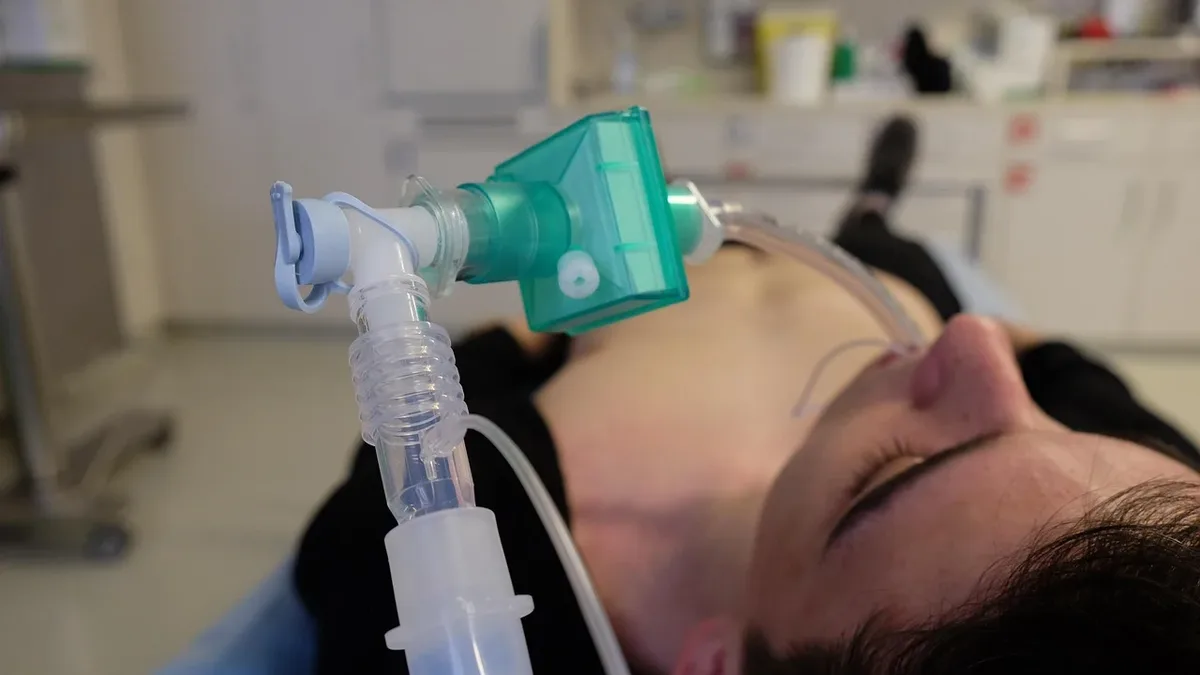
Jaw Pain Disorder Linked to Higher Sleep Apnea Risk
A new study finds patients with temporomandibular disorder are significantly more likely to screen at high risk for obstructive sleep apnea...

Grants Fund Sleep Research for Parkinson's Disease
The Michael J. Fox Foundation and Parkinson's UK have awarded grants for two research projects investigating whether improving restorative sleep can...

Noise Pollution Harms Sleep and Health, Experts Warn
Audiologist Laura Coco explains that chronic environmental noise is a significant public health hazard, disrupting sleep and contributing to...
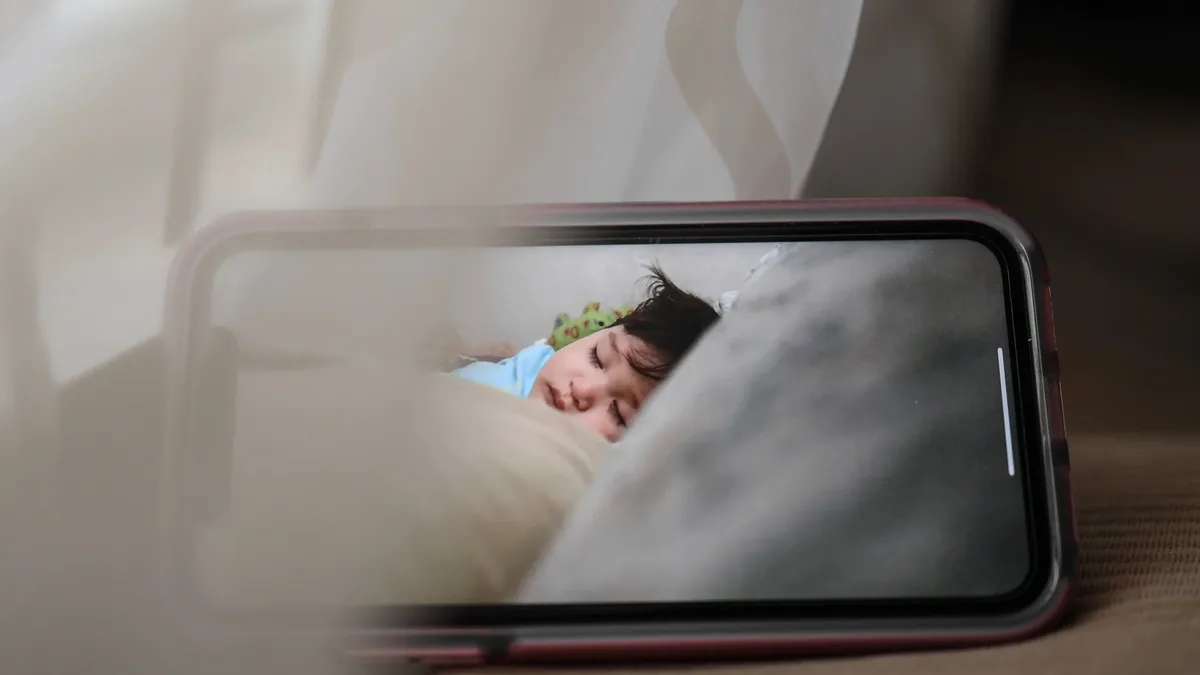
Tsukuba Researchers Measure Sleep Quality at Population
Researchers at the University of Tsukuba are using home EEG devices, smartphone apps, and health records to objectively measure sleep quality in large
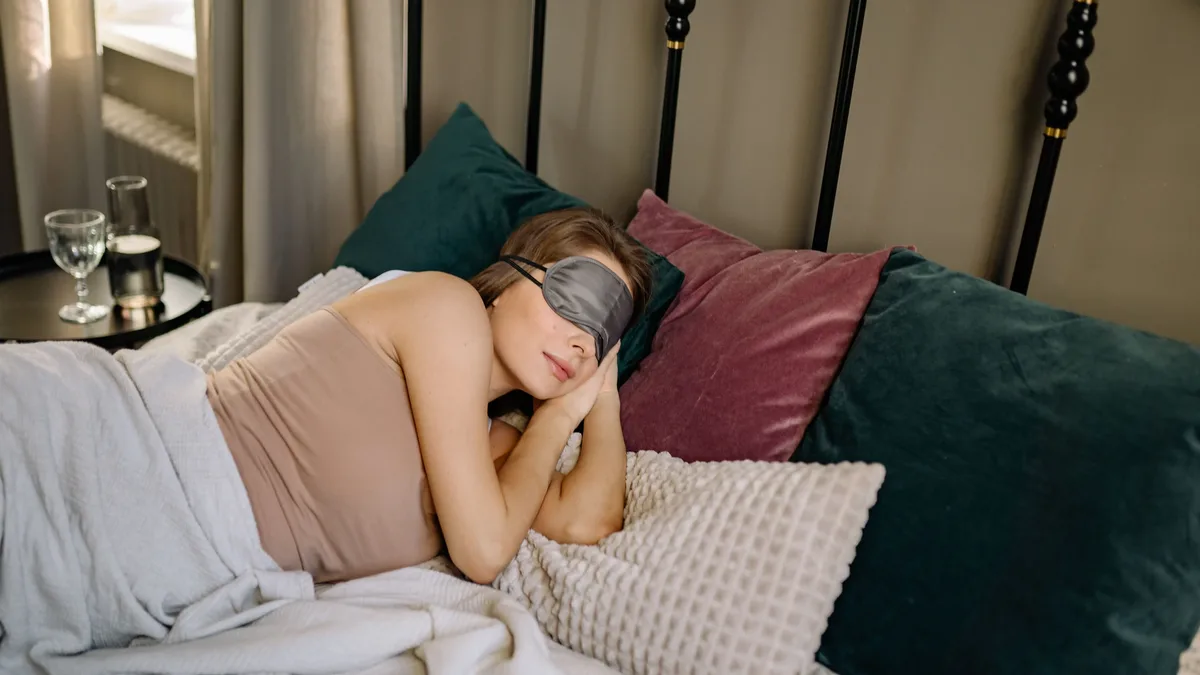
Mattress Topper Review Tests Comfort and Sleep Quality
A product reviewer tested 13 bestselling mattress toppers to assess their impact on sleep comfort, identifying top picks for budget, cooling, and firm