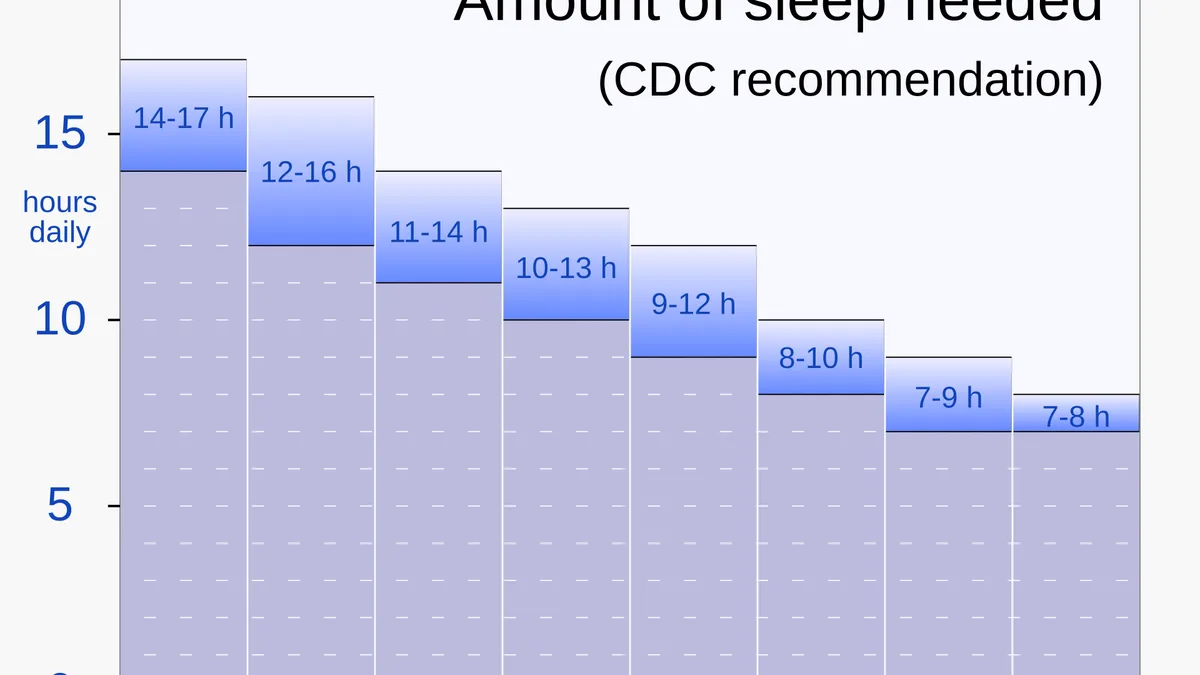
Sleep And Diabetes
Origin and history
The recognition of a bidirectional link between sleep patterns and diabetes mellitus emerged from epidemiological and clinical research conducted primarily in the late 20th and early 21st centuries. Initial observations noted higher rates of type 2 diabetes in shift workers and individuals reporting habitual short sleep duration. Key foundational studies originated from research institutions in the United States, Europe, and Japan, systematically investigating the relationship. The field solidified as large-scale cohort studies, such as the Nurses' Health Study, provided robust longitudinal data linking sleep disturbances to diabetes risk. The formal conceptualization of "Sleep and Diabetes" as a distinct clinical concern gained traction in the early 2000s as underlying physiological mechanisms began to be elucidated. This established it not as a single intervention but as a critical area of metabolic research and clinical management.
What it is for
The "Sleep and Diabetes" framework is for understanding and mitigating the reciprocal influence between sleep disorders and glucose metabolism. It is applied to assess how conditions like obstructive sleep apnea, insomnia, and circadian rhythm disorders contribute to insulin resistance and beta-cell dysfunction. Clinically, it guides the screening of diabetic patients for sleep disorders and the screening of individuals with chronic sleep issues for metabolic dysfunction. This approach is for developing integrated treatment plans that address both metabolic control and sleep quality simultaneously. It serves to educate patients on the critical role of sleep hygiene as a component of diabetes self-management. Ultimately, it is for reducing the long-term cardiovascular and neurological complications associated with the co-occurrence of these conditions.
Overview
"Sleep and Diabetes" encompasses the physiological, behavioral, and clinical intersections between sleep health and glucose regulation. The core principle is that sleep quantity, quality, and timing directly impact metabolic pathways, including insulin sensitivity, cortisol secretion, and appetite-regulating hormones like leptin and ghrelin. Conversely, poorly controlled diabetes can lead to sleep disruption through nocturia, neuropathic pain, and glycemic fluctuations. Key sleep disorders of concern include obstructive sleep apnea, which is highly prevalent in type 2 diabetes populations, and circadian rhythm disorders like shift work disorder. Management is inherently multidisciplinary, involving endocrinologists, sleep specialists, and often dietitians or behavioral therapists. The overview establishes that optimal diabetes care now necessitates an evaluation of sleep, and vice versa.
What to know
Individuals should know that even partial sleep deprivation over a short period can induce measurable states of insulin resistance in otherwise healthy people. It is important to understand that obstructive sleep apnea is a major modifiable risk factor for type 2 diabetes, independent of obesity, though the conditions frequently coexist. People should be aware that poor sleep can sabotage dietary adherence and increase cravings for high-carbohydrate foods, complicating glucose management. Knowing the symptoms of sleep apnea, such as loud snoring, witnessed apneas, and excessive daytime sleepiness, is crucial for timely diagnosis. Patients must recognize that some diabetes medications, as well as hypoglycemic or hyperglycemic episodes, can directly disrupt sleep architecture. Finally, it is essential to know that improving sleep is a validated, non-pharmacological adjunct to standard diabetes therapy.
Common questions
A common question is whether treating sleep apnea with continuous positive airway pressure (CPAP) therapy can improve blood sugar control; research indicates it can improve insulin sensitivity and glycemic variability, though results on HbA1c reduction are mixed. Many ask if sleeping too much is also a risk factor, and epidemiological data consistently associates both habitual short sleep and long sleep durations (typically >9 hours) with increased diabetes risk. Patients frequently inquire if their insomnia is causing their diabetes or vice versa; the relationship is often cyclical, with each condition exacerbating the other. People wonder if melatonin supplements are safe for diabetics; while generally safe, they can interact with some medications and should be discussed with a doctor. Another frequent question is whether fixing sleep can reverse pre-diabetes; improving sleep is a powerful component of lifestyle intervention but is not a standalone cure. Individuals also ask about the best sleep position for diabetes; no specific position is recommended, but positional therapy for sleep apnea may be advised.
Pros and cons
A significant pro of integrating sleep management into diabetes care is the potential for improved glycemic control without increasing medication burden, leveraging a foundational aspect of health. Addressing sleep disorders like apnea can also reduce cardiovascular risk and improve daytime alertness and quality of life. A major con is that effective treatments such as CPAP therapy require high patient adherence, which is often poor due to discomfort and inconvenience, limiting real-world benefits. Individuals may regret focusing solely on sleep improvement if they neglect core diabetes management like diet and medication, as sleep is a complementary, not replacement, therapy. A common mistake is assuming all sleep problems are insomnia related to stress, thereby overlooking sleep apnea, which requires a different diagnostic and treatment pathway. Furthermore, the cost and accessibility of formal sleep studies and durable medical equipment like CPAP machines can be prohibitive barriers for many patients.
Who it suits
This integrated approach suits individuals with type 2 diabetes or pre-diabetes who report unrefreshing sleep, daytime fatigue, or loud snoring, as they are prime candidates for sleep disorder screening. It is particularly suited for patients whose glucose levels remain difficult to control despite adherence to medication and diet, suggesting an unaddressed factor like sleep apnea. Shift workers and those with irregular sleep schedules, who have an inherently higher risk for metabolic dysfunction, benefit greatly from strategies to stabilize circadian rhythms. It also suits individuals seeking to maximize lifestyle interventions before or alongside pharmacological treatment for metabolic syndrome. The approach is less immediately suited for individuals with well-controlled type 1 diabetes and no sleep complaints, though regular screening remains prudent. It is essential for clinicians managing obesity, as the sleep-diabetes-obesity triad is common and requires a coordinated treatment plan.
Latest Sleep And Diabetes news
Latest reporting

AI voice test shows promise for type 2
An AI tool can detect type 2 diabetes from 20-second voice recordings with 80% accuracy, offering a potential new non-invasive screening method to...
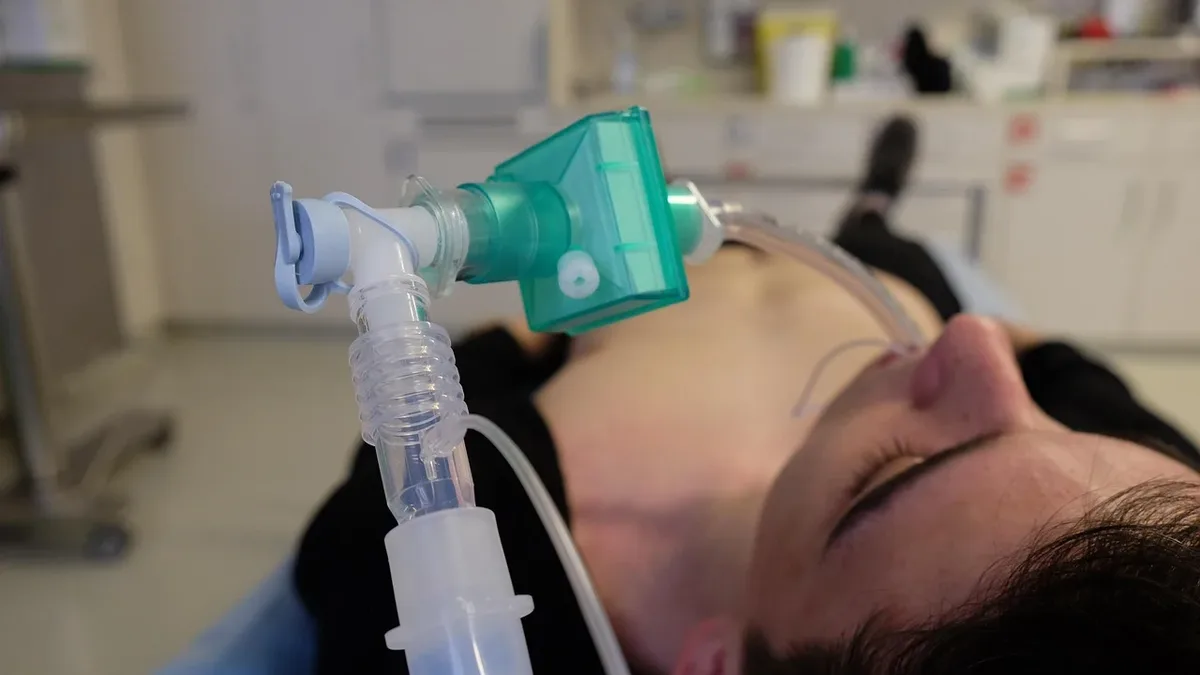
Jaw Pain Disorder Linked to Higher Sleep Apnea Risk
A new study finds patients with temporomandibular disorder are significantly more likely to screen at high risk for obstructive sleep apnea...

Grants Fund Sleep Research for Parkinson's Disease
The Michael J. Fox Foundation and Parkinson's UK have awarded grants for two research projects investigating whether improving restorative sleep can...

Noise Pollution Harms Sleep and Health, Experts Warn
Audiologist Laura Coco explains that chronic environmental noise is a significant public health hazard, disrupting sleep and contributing to...

Tsukuba Researchers Measure Sleep Quality at Population
Researchers at the University of Tsukuba are using home EEG devices, smartphone apps, and health records to objectively measure sleep quality in large

Mattress Topper Review Tests Comfort and Sleep Quality
A product reviewer tested 13 bestselling mattress toppers to assess their impact on sleep comfort, identifying top picks for budget, cooling, and firm