
Sleep And High Blood Pressure
| Recall | Sleep And High Blood Pressure |
|---|
Origin and history
The recognition of a link between sleep patterns and high blood pressure, or hypertension, emerged from epidemiological and clinical research conducted primarily in the late 20th century. Initial observational studies in the 1970s and 1980s began noting correlations between short sleep duration and higher cardiovascular risk. A significant milestone was the identification of obstructive sleep apnea (OSA) as a major secondary cause of hypertension in the 1990s, based on work from sleep research centers in the United States and Europe. The concept of "non-dipping" blood pressure, where nighttime blood pressure fails to decrease during sleep, was also solidified as a risk factor during this period. This established sleep not merely as a passive state but as an active regulator of cardiovascular function. The field continues to evolve with ongoing research into mechanisms like sympathetic nervous system activation and inflammation.
What it is for
This approach is for the management and mitigation of high blood pressure through the modification of sleep habits and the treatment of sleep disorders. It is specifically employed to address hypertension that is resistant to conventional medication or that may be exacerbated by poor sleep. The routine aims to lower both daytime and nighttime blood pressure readings by ensuring sufficient, high-quality, and restorative sleep. It serves to reduce the overall cardiovascular risk profile associated with chronic hypertension. Furthermore, it is for individuals diagnosed with sleep disorders like obstructive sleep apnea, where treatment is a direct therapy for comorbid hypertension. The goal is to use sleep as a foundational pillar of cardiovascular health, alongside diet and exercise.
Overview
"Sleep and High Blood Pressure" refers to the established bidirectional relationship between sleep quality/duration and blood pressure regulation. Disrupted or insufficient sleep can lead to elevated blood pressure through multiple physiological pathways, including sustained sympathetic nervous system activity and hormonal imbalances. Conversely, effectively managing hypertension often involves assessing and improving a patient's sleep. Key components include achieving 7-9 hours of sleep per night, maintaining consistent sleep and wake times, and creating a sleep-conducive environment. For those with sleep apnea, treatment with Continuous Positive Airway Pressure (CPAP) therapy is a cornerstone intervention that can significantly lower blood pressure. This overview encompasses behavioral, lifestyle, and medical interventions targeting sleep to achieve better blood pressure control.
What to know
It is crucial to know that even a single night of severe sleep deprivation can cause an acute spike in blood pressure in healthy individuals. Chronic sleep restriction, defined as routinely getting less than six hours per night, is associated with a significant increase in the long-term risk of developing hypertension. The presence of obstructive sleep apnea is a major modifiable risk factor, and its treatment often leads to meaningful reductions in blood pressure, sometimes reducing medication needs. Blood pressure naturally dips during sleep by 10-20% ("nocturnal dipping"), and the loss of this pattern is an independent risk marker for cardiovascular events. Screening for sleep disorders should be a standard part of hypertension evaluation, particularly in cases of treatment-resistant high blood pressure. Lifestyle modifications for sleep should be viewed with the same seriousness as dietary changes for blood pressure management.
Common questions
A common question is whether improving sleep can replace blood pressure medication, and the answer is that while it can significantly improve control, any change to medication must be made under direct physician supervision. People often ask how sleep apnea causes high blood pressure, which relates to repeated nighttime oxygen drops and arousal stresses that strain the cardiovascular system. Many wonder if oversleeping is also a risk, and some research indicates that consistently sleeping more than nine hours may be associated with hypertension, though the causality is less clear. Patients frequently inquire about the best sleep position for blood pressure, but evidence suggests position is less critical than treating underlying apnea, though some with apnea benefit from side sleeping. Another frequent question concerns the role of sleep trackers, which can provide helpful behavioral data but cannot diagnose sleep disorders like apnea. Individuals also ask about the time frame for seeing blood pressure improvements after starting CPAP therapy, which can range from a few weeks to several months of consistent use.
Pros and cons
A major pro is that improving sleep is a foundational, low-cost intervention with wide-ranging health benefits beyond blood pressure control, including improved metabolic and cognitive function. Successfully treating a sleep disorder like apnea with CPAP can lead to substantial, sustained reductions in blood pressure, potentially simplifying medication regimens. The approach empowers individuals with a sense of agency over their cardiovascular health through modifiable behaviors. A significant con is that adherence to behavioral changes like consistent sleep schedules or CPAP use can be challenging, and lapses quickly negate the blood pressure benefits. Individuals who dislike routine or have irregular work schedules often regret or struggle with the strict consistency required. A common mistake is self-treating perceived sleep issues without a professional diagnosis, potentially overlooking a serious condition like sleep apnea that requires medical intervention. The initial investment in a sleep study and potential CPAP equipment can be a barrier, and the therapy itself can be uncomfortable, leading to abandonment.
Who it suits
This approach best suits individuals with mild to moderate hypertension who are seeking lifestyle interventions to complement or potentially reduce medication. It is particularly critical for patients diagnosed with obstructive sleep apnea, for whom addressing sleep is non-negotiable in hypertension management. People with "non-dipping" or nocturnal hypertension patterns are strong candidates, as their blood pressure dysregulation is directly tied to the sleep period. It suits those who can commit to a highly regular daily routine, as consistency in sleep timing is a key component. Individuals who are motivated by holistic health strategies and are willing to undergo sleep testing if recommended will benefit most. It is less suited for those with severe, unstable hypertension that requires immediate pharmacological control before layering in behavioral modifications, or for individuals unwilling to use prescribed medical devices like CPAP machines.
Latest Sleep And High Blood Pressure news
Latest reporting

Study Finds High Mental Distress in Adult Survivors
A new study reveals nearly half of adult survivors of childhood leukemia experience clinical depression or anxiety, with high rates of fatigue and

GLP-1 Drugs May Cut Heart Risk in Overweight BMI 25-26.9
New research finds nearly half of people with a BMI of 25-26.9 have high remnant cholesterol and inflammation, elevating heart disease risk.
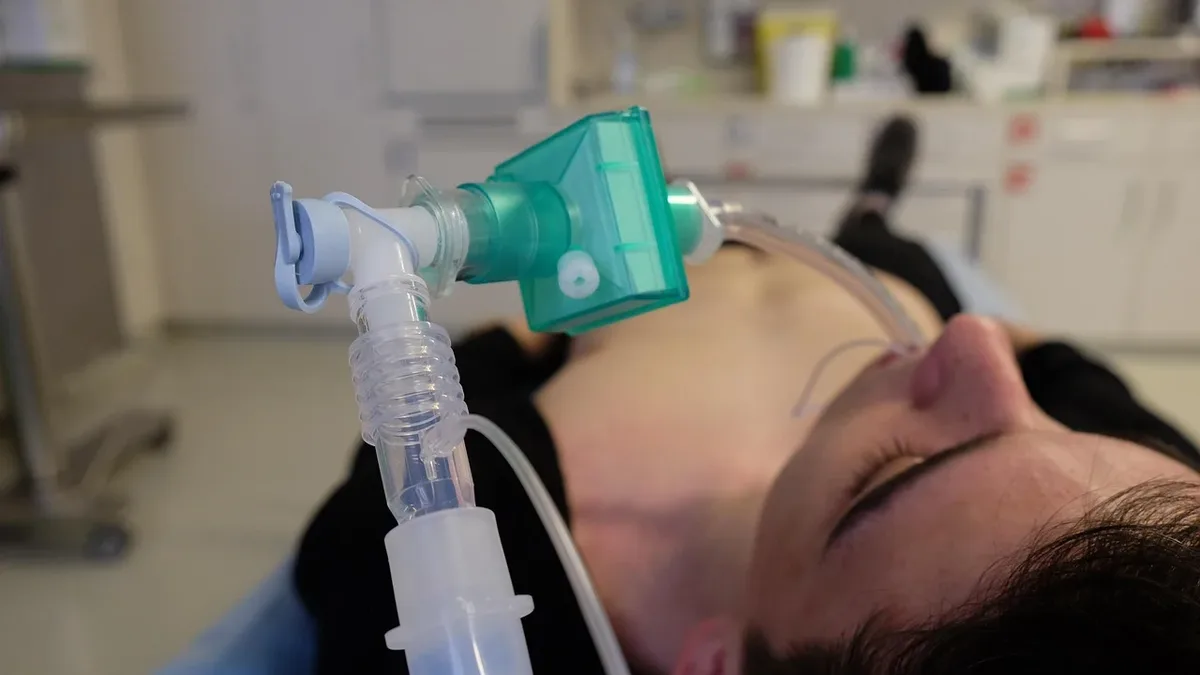
Jaw Pain Disorder Linked to Higher Sleep Apnea Risk
A new study finds patients with temporomandibular disorder are significantly more likely to screen at high risk for obstructive sleep apnea...

Grants Fund Sleep Research for Parkinson's Disease
The Michael J. Fox Foundation and Parkinson's UK have awarded grants for two research projects investigating whether improving restorative sleep can...

Noise Pollution Harms Sleep and Health, Experts Warn
Audiologist Laura Coco explains that chronic environmental noise is a significant public health hazard, disrupting sleep and contributing to...

Tsukuba Researchers Measure Sleep Quality at Population
Researchers at the University of Tsukuba are using home EEG devices, smartphone apps, and health records to objectively measure sleep quality in large