
Sleep And Menopause
| Primary symptom | Hot flashes and night sweats |
|---|---|
| Other common symptoms | Insomnia, sleep fragmentation, early waking |
| Typical age of onset | Perimenopause, typically late 40s to early 50s |
| Primary cause | Hormonal fluctuations, particularly declining estrogen |
| Common non-hormonal management | Cognitive Behavioral Therapy for Insomnia (CBT-I), sleep hygiene |
| Common pharmacological treatment | Hormone Replacement Therapy (HRT) |
| Original use of HRT | Relief of menopausal symptoms, including sleep disturbance |
| Duration | Symptoms can persist for several years during the menopausal transition |
Origin and history
The formal medical investigation of sleep disturbances specifically linked to menopause began in the latter half of the 20th century in Western medical research. Prior to this period, symptoms were often documented anecdotally or treated as general insomnia without a recognized hormonal etiology. The development of hormone replacement therapy (HRT) in the mid-20th century provided a clinical tool that helped researchers connect vasomotor symptoms to sleep architecture disruption. Large-scale epidemiological studies, such as the Study of Women's Health Across the Nation (SWAN) launched in the 1990s in the United States, systematically quantified the prevalence of sleep problems in menopausal populations. The conceptual framework of "Sleep and Menopause" as a distinct clinical consideration solidified as research differentiated it from age-related sleep changes. This body of work established that the menopausal transition itself is a primary causative factor for new-onset sleep issues in a significant proportion of individuals.
What it is for
This clinical concept is for understanding and addressing the specific sleep disruptions that are directly caused by or significantly worsened by the physiological transition of menopause. It serves to differentiate menopause-related sleep problems from primary insomnia or other sleep disorders, guiding more targeted evaluation and management. The framework is for clinicians to assess symptoms like nocturnal awakenings secondary to hot flashes, early morning awakenings, and difficulty initiating sleep within the context of hormonal fluctuation. It is for developing intervention strategies that may target the root hormonal drivers, such as vasomotor symptoms, rather than just the symptom of poor sleep. This approach is also for educating individuals experiencing menopause about the commonality of sleep disturbances, validating their experience and reducing attribution of symptoms solely to stress or aging. Ultimately, it is for improving overall quality of life and long-term health outcomes by mitigating the significant impact of chronic sleep deprivation during this life stage.
Overview
Sleep and Menopause describes a cluster of interrelated sleep disturbances prevalent during the perimenopausal and postmenopausal stages, primarily driven by the decline in reproductive hormones, particularly estrogen. The most direct mechanism is the experience of vasomotor symptoms, such as night sweats and hot flashes, which cause frequent arousals and awakenings throughout the night. Beyond hot flashes, hormonal shifts can directly affect the brain's sleep-regulating systems and thermoregulation, leading to increased sleep latency and reduced sleep efficiency. Common objective findings include decreased total sleep time, increased wake after sleep onset (WASO), and a reduction in restorative slow-wave sleep. These sleep problems frequently co-occur with other menopausal symptoms like mood changes and genitourinary syndrome, which can further exacerbate sleep quality. Management typically requires a multi-modal approach considering hormonal and non-hormonal pharmacological options, behavioral interventions, and treatment of comorbid conditions.
What to know
It is critical to know that sleep disturbances are one of the most frequently reported symptoms of the menopausal transition, affecting a majority of individuals to some degree. The problem often presents as maintenance insomnia, characterized by an inability to stay asleep, rather than difficulty falling asleep. Know that while vasomotor symptoms are a major contributor, sleep issues can persist even in their absence due to hormonal effects on neurotransmitters and body temperature regulation. You should know that untreated sleep disruption during menopause is associated with increased risks for depression, anxiety, impaired cognitive function, and cardiovascular metabolic conditions. It is important to know that a formal sleep evaluation may be necessary to rule out other primary sleep disorders like obstructive sleep apnea, whose risk increases during and after menopause. Furthermore, know that lifestyle and behavioral interventions, such as cognitive behavioral therapy for insomnia (CBT-I) and temperature regulation strategies, are considered first-line foundational treatments for many individuals.
Common questions
A common question is whether hormone replacement therapy (HRT) will immediately resolve all sleep problems, and the answer is that while it is highly effective for sleep disruption caused by vasomotor symptoms, response can vary and it may not address all causes. People often ask if their sleep will naturally return to normal after menopause ends, but for many, sleep disturbances can become chronic without targeted intervention, especially if poor sleep habits have become ingrained. Many question the safety and suitability of over-the-counter sleep aids, which generally are not recommended for long-term use and do not address the underlying hormonal drivers of the sleep disruption. Individuals frequently inquire about the role of natural supplements like melatonin or phytoestrogens, though robust clinical evidence for their efficacy specifically for menopause-related sleep issues is often limited or inconsistent. A recurring question concerns the link between weight gain and sleep problems, as changes in metabolism and fat distribution during menopause can influence both sleep apnea risk and overall sleep quality. People also commonly ask how to distinguish normal age-related sleep changes from menopause-specific issues, which typically involves noting the temporal correlation of sleep onset with other menopausal symptoms and the specific pattern of nighttime awakenings.
Pros and cons
A significant pro of addressing sleep through the lens of menopause is the potential for highly effective, cause-specific treatments like hormone therapy, which can resolve core symptoms like night sweats that directly fragment sleep. This focused approach often validates the individual's experience, moving away from dismissive attributions to "just stress" and enabling more productive clinical conversations. However, a major con is that an exclusive focus on hormonal causation can lead to under-diagnosis of co-existing primary sleep disorders, such as sleep apnea or restless legs syndrome, which also require treatment. Individuals often regret relying solely on sedative-hypnotic medications without exploring root causes, as this can lead to dependency, tolerance, and masking of other health issues. A common mistake is neglecting foundational sleep hygiene and behavioral therapies, which are critical for long-term management regardless of pharmacological interventions. Furthermore, the decision to use hormone therapy involves a complex risk-benefit analysis specific to the individual, and what suits one person may be contraindicated for another, creating a potential for regret if side effects occur or expectations are not met.
Who it suits
This clinical framework suits individuals in the perimenopausal or postmenopausal stage who experience a new onset or significant worsening of sleep disturbances, particularly maintenance insomnia with nighttime awakenings. It is especially suited for those whose sleep disruption is temporally linked to hot flashes or night sweats, as treatments targeting vasomotor symptoms are often highly effective. The approach suits patients who prefer or require a root-cause treatment strategy and are willing to undergo a medical evaluation to assess hormonal status and rule out other sleep disorders. It also suits individuals who have not found sufficient relief from general sleep hygiene advice alone and require a more specialized, multi-factorial treatment plan. This perspective is well-suited for healthcare providers seeking a structured way to evaluate and manage a common but complex complaint that spans gynecology, sleep medicine, and primary care. However, it may be less directly suited for individuals whose primary sleep issue is clearly unrelated to menopause, such as those with long-standing insomnia predating the transition or those with dominant symptoms of sleep-disordered breathing without vasomotor symptoms.
Latest Sleep And Menopause news
Latest reporting
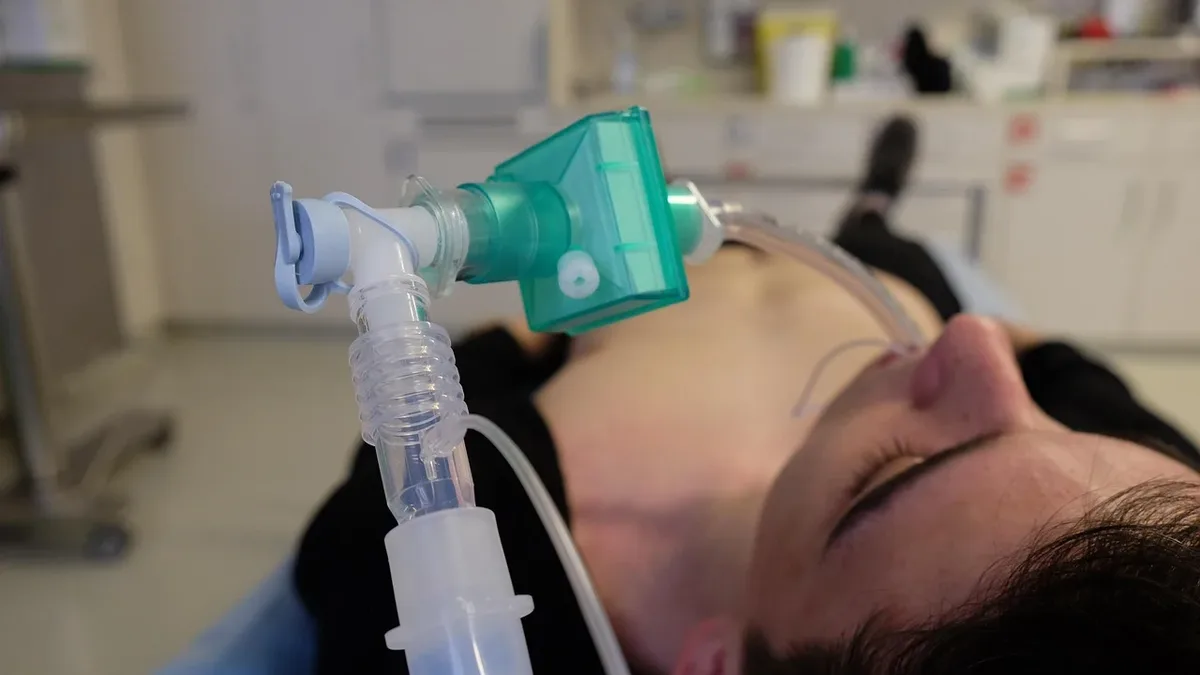
Jaw Pain Disorder Linked to Higher Sleep Apnea Risk
A new study finds patients with temporomandibular disorder are significantly more likely to screen at high risk for obstructive sleep apnea...

Grants Fund Sleep Research for Parkinson's Disease
The Michael J. Fox Foundation and Parkinson's UK have awarded grants for two research projects investigating whether improving restorative sleep can...

Noise Pollution Harms Sleep and Health, Experts Warn
Audiologist Laura Coco explains that chronic environmental noise is a significant public health hazard, disrupting sleep and contributing to...

Tsukuba Researchers Measure Sleep Quality at Population
Researchers at the University of Tsukuba are using home EEG devices, smartphone apps, and health records to objectively measure sleep quality in large
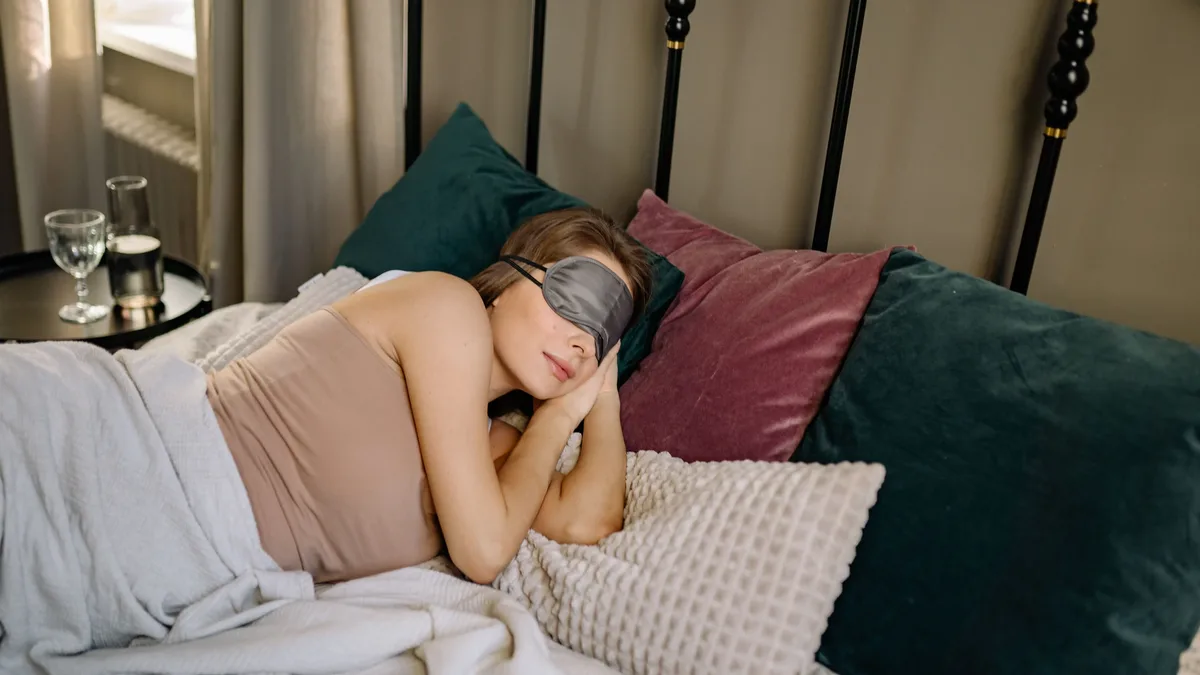
Mattress Topper Review Tests Comfort and Sleep Quality
A product reviewer tested 13 bestselling mattress toppers to assess their impact on sleep comfort, identifying top picks for budget, cooling, and firm
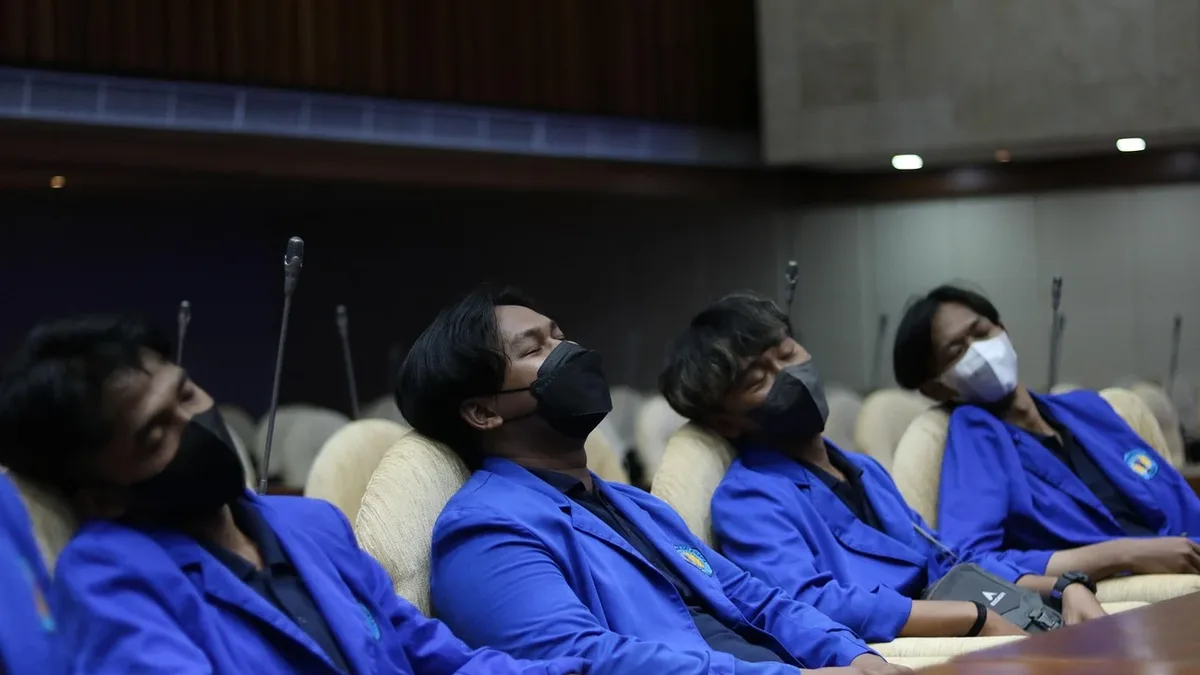
Study Links REM and Deep Sleep to Lower Disease Risk
A large UK Biobank study finds higher amounts of REM and deep sleep are linked to lower risks for dozens of diseases, with less than five hours of...