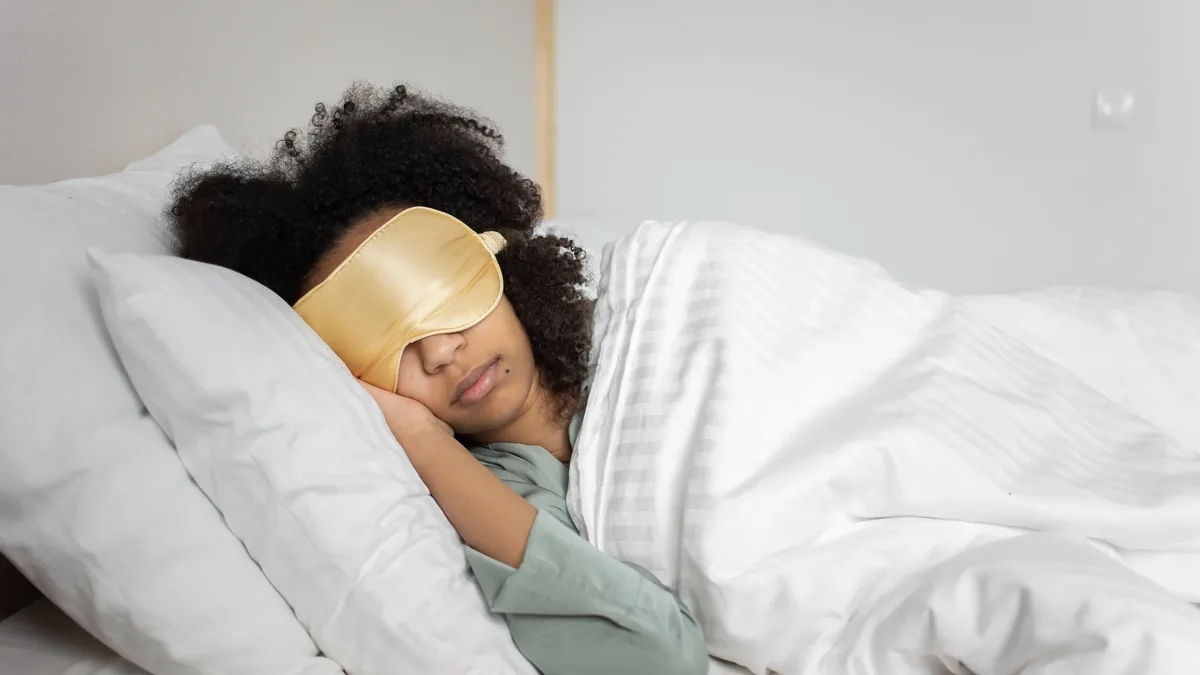
Sleep And The Immune System
| Core mechanism | Interaction between sleep cycles and immune function regulation. |
|---|---|
| Primary effect | Chronic sleep deprivation impairs immune response and increases inflammation. |
| Key immune components affected | T-cell function, cytokine production, antibody response. |
| Typical recommendation for support | Consistent 7–9 hours of sleep per night. |
| Critical sleep stage for immune function | Slow-wave (deep) sleep. |
| Common risk from deficiency | Increased susceptibility to common infections. |
| Supportive non‑sleep practices | Regular exercise, stress management, balanced nutrition. |
Origin and history
The scientific investigation into the relationship between sleep and the immune system originates from broad clinical observations made over centuries, where illness and infection were frequently accompanied by increased sleep. Systematic scientific study of this bidirectional relationship began in earnest in the late 20th century, with foundational research emerging primarily from institutions in Europe and North America. The field was propelled forward by the convergence of immunology and sleep medicine, two distinct disciplines that began to intersect more frequently in the 1970s and 1980s. Key discoveries, such as the identification of immune signaling molecules that regulate sleep, were documented in the final decades of the 1900s. This established the framework for understanding sleep not as a passive state but as an active period of immune regulation and support. The historical progression moved from anecdotal correlation to mechanistic understanding, revealing sleep's critical role in host defense.
What it is for
The primary function of the relationship between sleep and the immune system is to maintain and enhance the body's defense against pathogens and disease. It serves to optimize the production and release of key immune cells and signaling proteins, such as cytokines, during the nocturnal rest period. This process is for the consolidation of immunological memory, allowing the adaptive immune system to effectively recognize and respond to previously encountered antigens. The sleep-immune connection also functions to regulate inflammatory processes, preventing both excessive inflammation that can damage tissues and insufficient responses that fail to control infection. Furthermore, it is for the restoration and repair of various physiological systems that are taxed by immune activity during waking hours. Ultimately, this biological interplay exists to promote overall health resilience and improve recovery outcomes from illness.
Overview
Sleep and the immune system engage in a bidirectional regulatory relationship, where each system exerts a significant influence on the other. Immune activation, such as during an infection, often induces increased sleep duration and intensity, which is believed to be a beneficial adaptive response. During sleep, particularly slow-wave sleep, the body enters a state conducive to immune function, including increased production of T-cells and certain cytokines. Conversely, sleep deprivation or fragmentation has been consistently shown to impair immune responses, such as reducing the efficacy of vaccinations and increasing susceptibility to common infections. The mechanisms involve complex neuroendocrine pathways, with signals flowing between the brain, endocrine glands, and immune tissues. This overview establishes that sleep is a non-negotiable pillar of immune competence, integral to both innate and adaptive immunity.
What to know
It is important to know that even short-term sleep restriction, such as obtaining less than six hours per night for a week, can lead to measurable declines in immune parameters. The timing of sleep matters, as circadian rhythms govern the release of immune cells, meaning irregular sleep schedules can disrupt these natural cycles. Not all sleep stages are equal in this context; deep, slow-wave sleep is particularly associated with positive immune modulation, while fragmented sleep lacking in these stages is detrimental. One should know that the relationship is not merely about quantity but also about quality, as sleep disorders like sleep apnea create a state of chronic inflammation. It is also established that the immune system's activity during sleep can sometimes manifest in symptoms like mild nighttime fevers or sweating, which are often part of the defense process. Understanding that prioritizing sleep is a proactive health measure, similar to nutrition and exercise, is a key takeaway from this body of research.
Common questions
A common question is whether extra sleep can "boost" the immune system to prevent illness, to which the answer is that adequate, consistent sleep maintains optimal immune readiness rather than providing an impenetrable shield. People often ask if sleeping more when sick is beneficial, and research confirms that the increased sleep demand during illness is a physiological response that aids recovery. Many inquire about the impact of napping on immune health, and while short naps may offer some cognitive benefit, they do not fully compensate for the lost immune benefits of consolidated nighttime sleep. Another frequent question concerns how much sleep is needed for immune function, with general guidelines for adults being 7-9 hours per night, though individual needs can vary. Individuals often wonder if sleep quality affects vaccine response, and studies show that poor sleep in the days surrounding vaccination can lead to a less robust antibody production. Finally, a prevalent question is whether immune supplements can offset poor sleep, and the consensus is that no supplement reliably replicates the broad, systemic immune support provided by sufficient sleep.
Pros and cons
The primary advantage of leveraging the sleep-immune connection is that it is a natural, cost-free intervention that significantly underpins overall health and resistance to disease. A major pro is that improving sleep can enhance the body's response to medical interventions like vaccinations and improve recovery timelines from surgery or infection. However, a significant con is that modern lifestyles and obligations often directly conflict with the need for sufficient sleep, making consistent implementation challenging for many individuals. A common mistake is believing that weekend "catch-up" sleep can fully reverse the immune deficits accumulated during a week of sleep deprivation, which the science does not robustly support. Individuals often regret neglecting sleep hygiene only after experiencing recurrent infections or prolonged illnesses, realizing their lifestyle made them vulnerable. Furthermore, for those with chronic sleep disorders like insomnia, the very anxiety about not sleeping enough for immune health can create a stress response that further disrupts sleep, creating a counterproductive cycle.
Who it suits
This knowledge suits anyone seeking to take a proactive, evidence-based approach to maintaining their health and reducing infection risk, particularly in high-exposure environments. It is especially pertinent for populations with inherently higher vulnerability, such as older adults, whose sleep architecture and immune function naturally change with age. Individuals recovering from illness or surgery will find this information directly applicable to their recovery protocols, as sleep is a critical component of healing. It suits athletes and those with high physical stress loads, as their immune systems are often taxed and require optimal recovery conditions that include sleep. Shift workers and individuals with irregular schedules must pay particular attention to this relationship, as their circadian and sleep disruptions pose a clear immune challenge. Finally, it suits anyone experiencing frequent minor illnesses, as addressing sleep may be a foundational step before exploring other medical interventions.
Latest Sleep And The Immune System news
Latest reporting
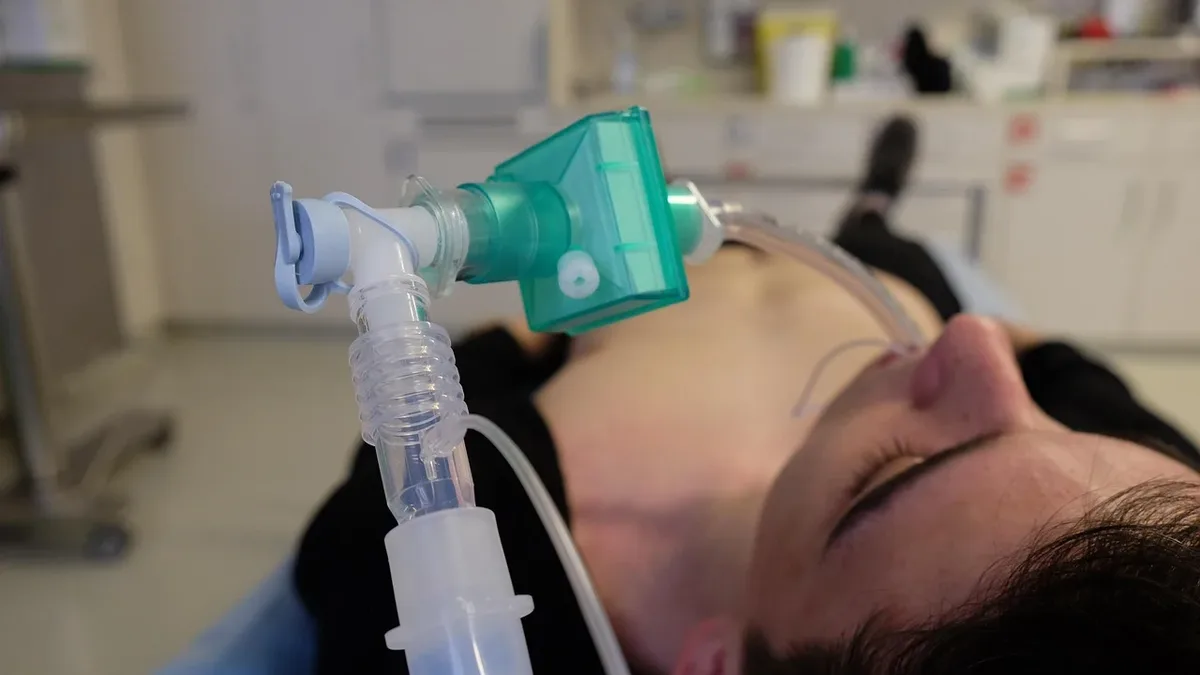
Jaw Pain Disorder Linked to Higher Sleep Apnea Risk
A new study finds patients with temporomandibular disorder are significantly more likely to screen at high risk for obstructive sleep apnea...
Grants Fund Sleep Research for Parkinson's Disease
The Michael J. Fox Foundation and Parkinson's UK have awarded grants for two research projects investigating whether improving restorative sleep can...
Noise Pollution Harms Sleep and Health, Experts Warn
Audiologist Laura Coco explains that chronic environmental noise is a significant public health hazard, disrupting sleep and contributing to...
Tsukuba Researchers Measure Sleep Quality at Population
Researchers at the University of Tsukuba are using home EEG devices, smartphone apps, and health records to objectively measure sleep quality in large
Mattress Topper Review Tests Comfort and Sleep Quality
A product reviewer tested 13 bestselling mattress toppers to assess their impact on sleep comfort, identifying top picks for budget, cooling, and firm
Study Links REM and Deep Sleep to Lower Disease Risk
A large UK Biobank study finds higher amounts of REM and deep sleep are linked to lower risks for dozens of diseases, with less than five hours of...