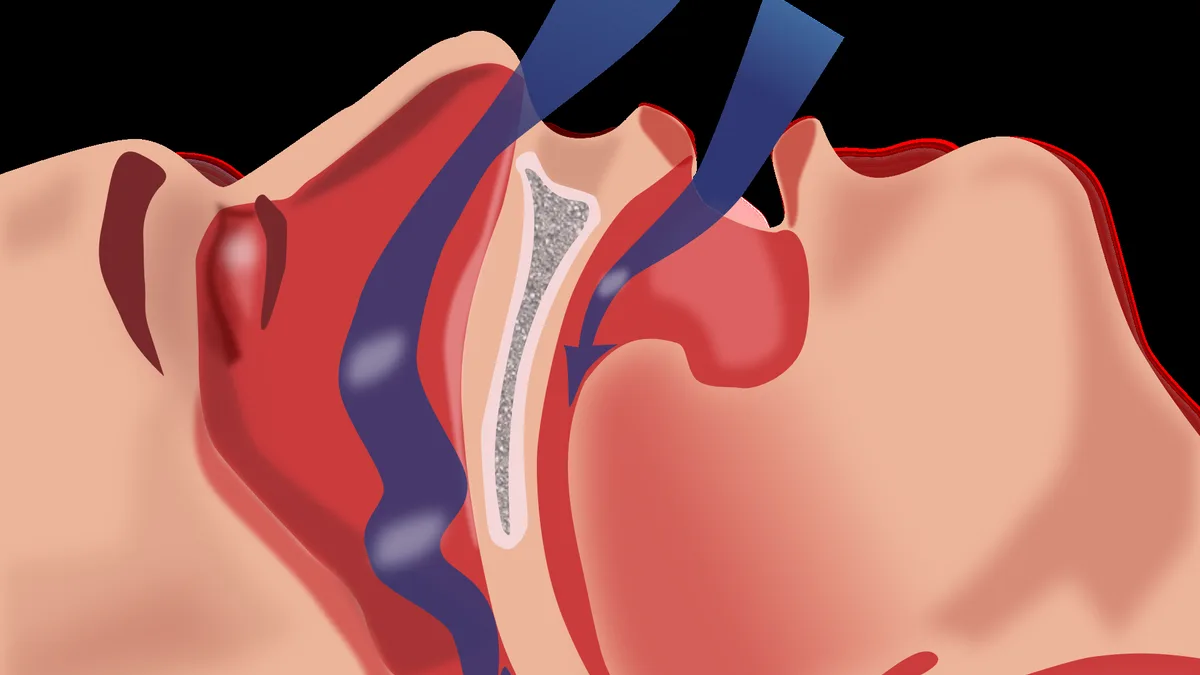
Sleep Apnoea And Snoring
| Medical name | Obstructive Sleep Apnoea (OSA) |
|---|---|
| Primary symptom | Loud, chronic snoring with breathing pauses |
| Common treatment | Continuous Positive Airway Pressure (CPAP) therapy |
| Diagnosis method | Overnight sleep study (polysomnography) |
| Primary risk factors | Obesity, anatomical airway narrowing |
| Typical patient profile | Often middle-aged and overweight |
| Original use of CPAP | Treatment of respiratory failure in hospitals |
Origin and history
The observation of disordered breathing during sleep, including snoring and apnoeic events, has been documented in medical literature for centuries. Descriptions resembling sleep apnoea, such as the "Pickwickian syndrome" featuring obesity and somnolence, were noted in the 19th century. The formal medical recognition and naming of obstructive sleep apnoea (OSA) as a distinct clinical syndrome, however, occurred in the latter half of the 20th century. Key developments in the 1970s and 1980s, including the invention of polysomnography and the description of the upper airway anatomy's role, solidified its diagnosis. The continuous positive airway pressure (CPAP) machine, which became the primary treatment, was first developed and applied for sleep apnoea in the early 1980s. Snoring, as a symptom, has been a common anecdotal observation throughout human history, but its pathophysiological link to airway obstruction was understood much later.
What it is for
Sleep apnoea and snoring are addressed to restore normal, unobstructed breathing during sleep. The primary goal is to eliminate the repeated pauses in breathing (apnoeas) and reductions in breathing (hypopnoeas) that characterize sleep apnoea. This restoration aims to prevent the associated drops in blood oxygen levels and disruptions to sleep architecture. Addressing these conditions is fundamentally for preventing the long-term cardiovascular, metabolic, and neurocognitive consequences of untreated sleep-disordered breathing. For snoring without apnoea, interventions aim to reduce the social nuisance and improve bed-partner sleep quality, though they may also address underlying mild airway resistance. Ultimately, these treatments are for improving daytime alertness, quality of life, and overall health by ensuring restorative sleep.
Overview
Sleep apnoea is a disorder characterized by repeated episodes of complete (apnoea) or partial (hypopnoea) upper airway obstruction during sleep, leading to arousal and fragmented sleep. The most common form is obstructive sleep apnoea (OSA), where the airway collapses despite respiratory effort. Snoring is the sound produced by vibration of the soft tissues in the upper airway due to turbulent airflow, and it can be a primary symptom or a hallmark of OSA. Diagnosis typically involves an overnight sleep study, either in a lab (polysomnography) or at home, to measure breathing, oxygen levels, and sleep stages. The severity is graded by the Apnoea-Hypopnoea Index (AHI), which counts events per hour. Treatment is considered necessary for moderate to severe OSA and for symptomatic mild OSA, with the aim of keeping the airway open throughout the night.
What to know
A key fact is that sleep apnoea is a serious medical condition, not merely loud snoring; it is associated with hypertension, heart disease, stroke, and type 2 diabetes. It is crucial to understand that many individuals with sleep apnoea are unaware of their nightly breathing struggles, often relying on a bed partner's observations or daytime symptoms like excessive fatigue. Weight loss can significantly improve or even resolve obstructive sleep apnoea in many individuals, as it reduces fat deposits around the upper airway. Positional therapy, such as avoiding back sleeping, can be effective for some people whose events are predominantly supine. Oral appliances, fitted by dentists specializing in sleep medicine, can be an effective alternative for mild to moderate OSA or for those who cannot tolerate CPAP. Surgical options exist but are generally considered when other treatments have failed, and they aim to structurally modify the airway.
Common questions
A frequent question is whether snoring always means sleep apnoea; while snoring is a common symptom, not everyone who snores has apnoea, but loud, habitual snoring, especially with witnessed pauses, should be evaluated. People often ask if CPAP is the only treatment; it is the first-line gold standard for moderate to severe OSA, but alternatives include oral appliances, positional therapy, and in some cases surgery. Many wonder if sleep apnoea can be cured; for obstructive sleep apnoea, while not always "cured," it is a highly manageable condition with consistent therapy, and significant weight loss can lead to resolution. A common concern is about the comfort and noise of CPAP machines; modern devices are very quiet, and mask design and humidification have improved comfort dramatically. Patients often ask if children can have sleep apnoea; paediatric sleep apnoea does exist, often related to enlarged tonsils and adenoids, and requires different evaluation criteria. Many inquire about the necessity of treatment for mild sleep apnoea; treatment decisions for mild cases depend on the presence of symptoms like daytime sleepiness or comorbid conditions like hypertension.
Pros and cons
The primary pro of effective sleep apnoea treatment, particularly CPAP, is the dramatic reduction in health risks, including cardiovascular events, and the profound improvement in daytime alertness and cognitive function. Successful treatment can transform quality of life, restoring energy and mood. A significant con, however, is the challenge of adherence; a common mistake is abandoning therapy due to initial discomfort with the mask or the sensation of pressurized air, without working with a clinician to adjust settings or try different interfaces. Many who regret choosing a specific oral appliance did so without a proper dental sleep medicine assessment, leading to poor fit, jaw pain, or ineffective therapy. Surgical interventions carry the inherent risks of surgery and variable success rates, with a potential con being that they may not eliminate the need for CPAP. For snoring treatments like over-the-counter devices, a major con is their lack of efficacy for actual sleep apnoea, potentially providing false reassurance while a serious condition goes undiagnosed.
Who it suits
CPAP therapy suits individuals diagnosed with moderate to severe obstructive sleep apnoea, and those with mild OSA who experience significant daytime symptoms or have cardiovascular comorbidities. It is particularly suited to those who can commit to the nightly routine and work proactively with their care team to overcome initial fitting challenges. Oral appliance therapy typically suits patients with mild to moderate OSA, or those who are CPAP-intolerant, and who have healthy teeth and gums to support the device. Positional therapy suits a specific subset of patients whose apnoea events occur almost exclusively when sleeping on their back. Lifestyle modification, particularly sustained weight loss and avoidance of alcohol, suits all individuals with OSA or snoring as an adjunct to other therapies, and may be sufficient for some with mild cases. Surgical options may suit select patients with a clear, surgically correctable anatomical obstruction who have not responded to or tolerated other treatment modalities.
Latest Sleep Apnoea And Snoring news
Latest reporting
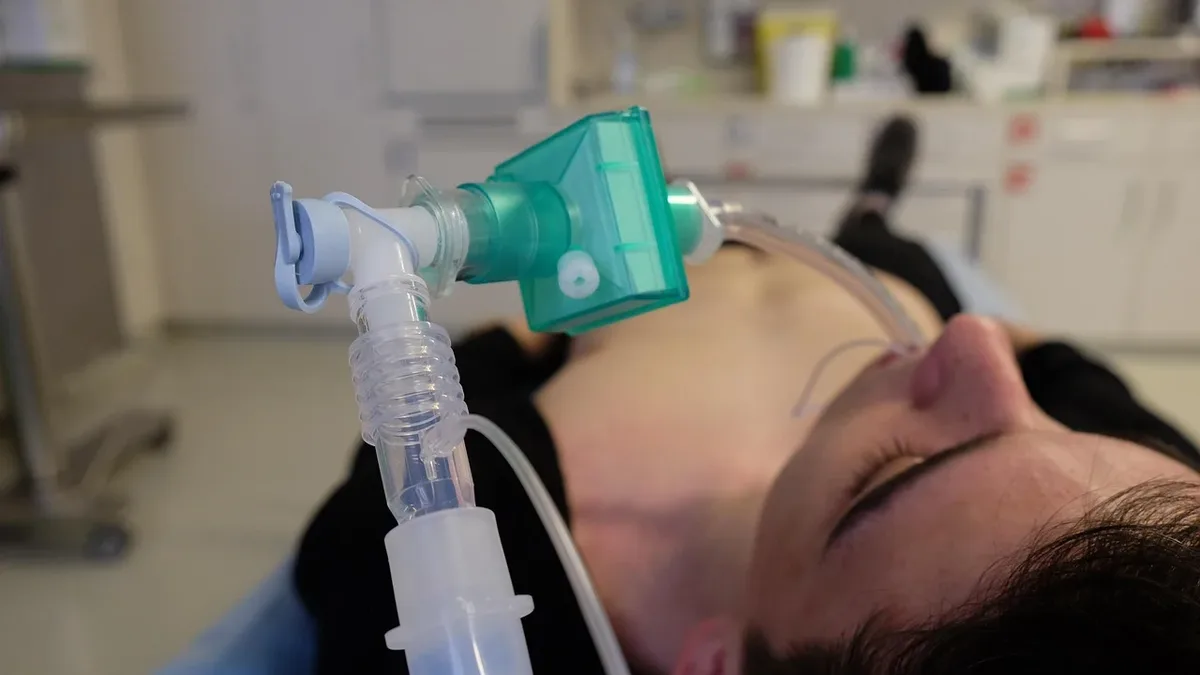
Jaw Pain Disorder Linked to Higher Sleep Apnea Risk
A new study finds patients with temporomandibular disorder are significantly more likely to screen at high risk for obstructive sleep apnea...

Grants Fund Sleep Research for Parkinson's Disease
The Michael J. Fox Foundation and Parkinson's UK have awarded grants for two research projects investigating whether improving restorative sleep can...
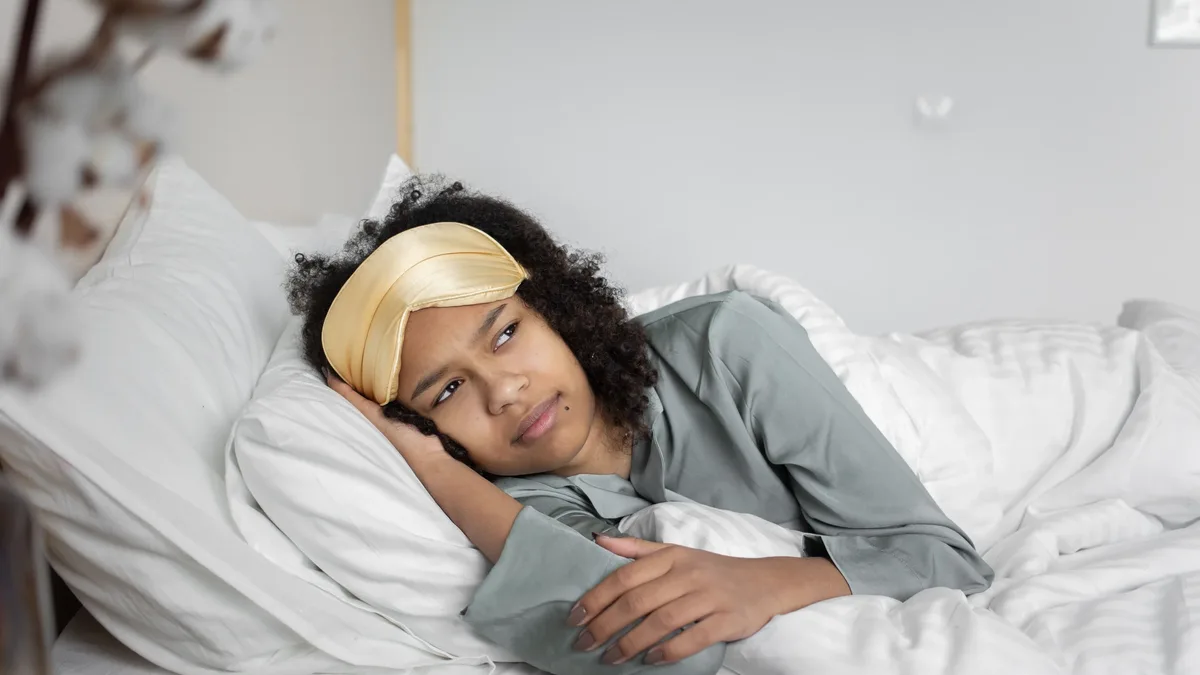
Noise Pollution Harms Sleep and Health, Experts Warn
Audiologist Laura Coco explains that chronic environmental noise is a significant public health hazard, disrupting sleep and contributing to...
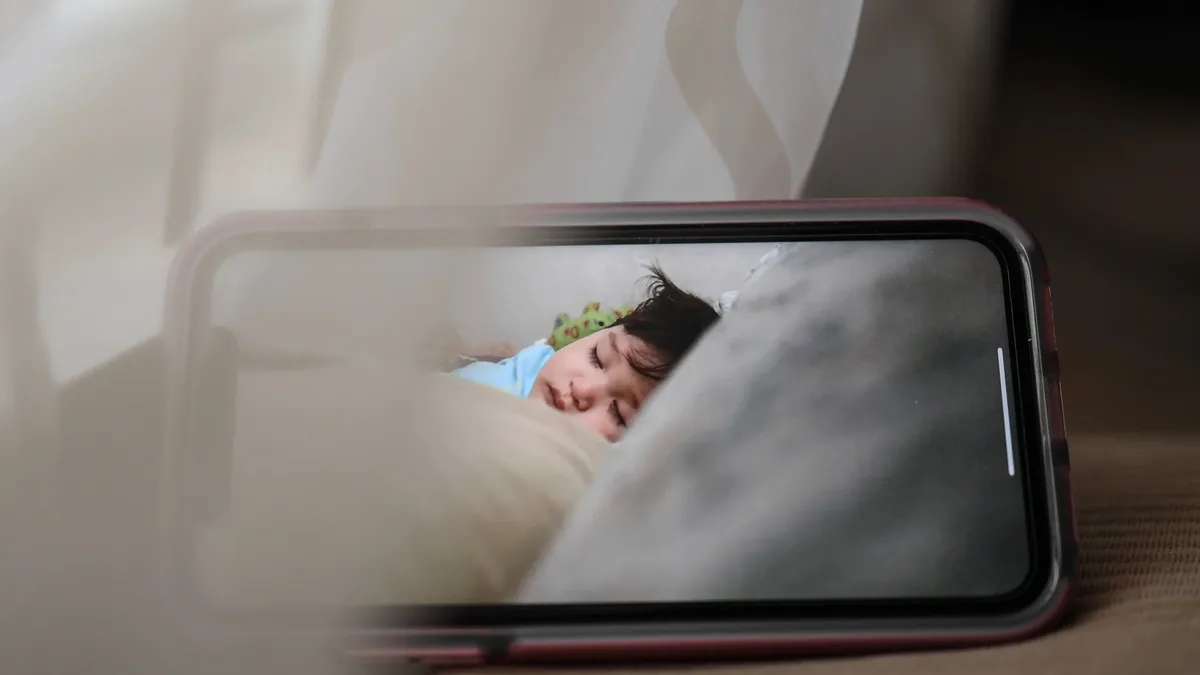
Tsukuba Researchers Measure Sleep Quality at Population
Researchers at the University of Tsukuba are using home EEG devices, smartphone apps, and health records to objectively measure sleep quality in large
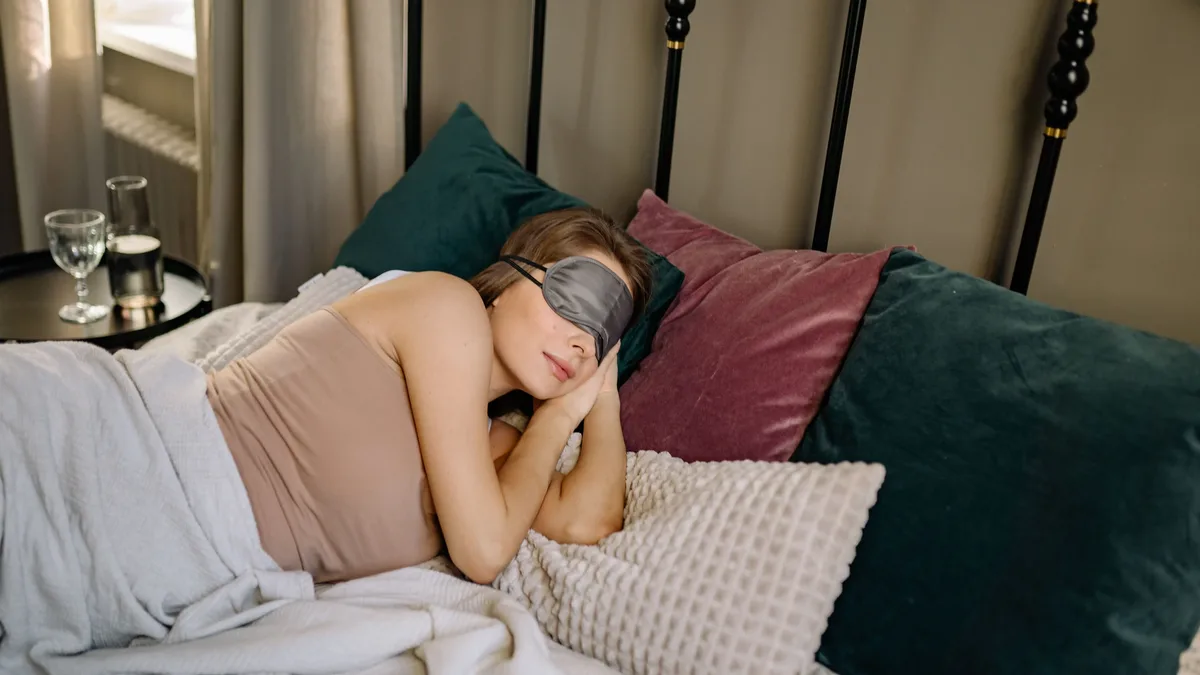
Mattress Topper Review Tests Comfort and Sleep Quality
A product reviewer tested 13 bestselling mattress toppers to assess their impact on sleep comfort, identifying top picks for budget, cooling, and firm
Study Links REM and Deep Sleep to Lower Disease Risk
A large UK Biobank study finds higher amounts of REM and deep sleep are linked to lower risks for dozens of diseases, with less than five hours of...