Sleep Apps And Their Limits
| Core function | Sleep tracking via actigraphy or sound analysis |
|---|---|
| Primary data source | Smartphone sensors (accelerometer, microphone) |
| Typical metrics reported | Estimated sleep duration, time in bed |
| Limitation | Cannot diagnose sleep disorders |
| Original use | Consumer self-monitoring and behavior change aid |
Origin and history
Sleep tracking applications originated in the early 21st century, coinciding with the proliferation of smartphones and consumer wearable devices. The concept emerged primarily from the United States and other technologically advanced regions, leveraging the sensors built into these devices. Initial apps in the 2000s were rudimentary, often functioning as basic alarm clocks or sound machines. The integration of accelerometer data to estimate movement and sleep phases became more common in the 2010s. This period saw the rise of dedicated wearable brands that made continuous sleep monitoring a key selling point. The understanding of the limits of such technology evolved concurrently with its adoption, as independent research began to scrutinize its accuracy.
What it is for
Sleep apps are designed to provide users with data and insights about their sleep patterns, aiming to improve sleep hygiene and duration. They serve to track metrics such as total sleep time, time spent in bed, and perceived sleep quality through movement and sound analysis. Many apps include features for creating pre-sleep routines, such as guided meditation or breathing exercises, to facilitate relaxation. They also function as sophisticated alarm clocks, using sleep phase detection to attempt to wake a user during a lighter sleep stage. Furthermore, they aggregate long-term data to show trends and correlations between lifestyle choices and sleep metrics. Their ultimate purpose is to offer a tool for self-awareness and behavioral change regarding sleep habits.
Overview
Sleep apps typically operate by using a smartphone's microphone and accelerometer or by syncing with a separate wearable device like a smartwatch. They generate sleep reports that often categorize sleep into stages like light, deep, and REM, though the accuracy of these distinctions is a significant point of contention. The ecosystem includes standalone apps, subscription-based services with advanced content, and apps bundled with hardware from companies like Fitbit or Apple. Beyond tracking, they commonly offer a library of soundscapes, bedtime stories, and sleep education articles. The market is diverse, ranging from free apps with basic functions to comprehensive platforms costing upwards of a yearly subscription. Their limits are fundamentally tied to the indirect methods of measurement they employ, as they infer sleep states from movement and heart rate variability rather than direct brain activity.
What to know
It is crucial to understand that consumer sleep apps are not medical devices and their data should not be used for diagnosing sleep disorders like insomnia or sleep apnea. The algorithms that generate sleep stage summaries are proprietary and not validated to the standard of clinical polysomnography, which measures brain waves. Many apps can inadvertently promote sleep-related anxiety, a condition known as orthosomnia, where users become overly fixated on achieving perfect app-generated scores. The accuracy of sleep stage tracking is generally considered poor by scientific standards, with total sleep time being the most reliable metric. Data privacy is another critical consideration, as sensitive health information may be collected, stored, and potentially sold or shared with third parties. Relying solely on an app can delay consultation with a healthcare professional when a serious underlying sleep issue is present.
Common questions
A common question is whether sleep apps can accurately detect REM sleep, to which the answer is that they provide only a rough estimate with low agreement compared to medical-grade equipment. Users often ask if paying for a premium subscription is necessary, and the utility largely depends on whether the added content, like guided programs, is something the user will consistently utilize. Many wonder if leaving the phone on the mattress is sufficient, but placement significantly affects accuracy, with wearables generally providing more consistent motion data. People frequently inquire about which app is the most accurate, but independent comparative studies are rare and results vary widely between individuals and device types. Another recurring question concerns battery drain, as running sensors and audio all night can significantly deplete a smartphone or wearable's charge. Users also ask if these apps can help with chronic insomnia, and while they may offer relaxation tools, cognitive behavioral therapy for insomnia (CBT-I) delivered by a professional is the gold-standard treatment.
Pros and cons
A primary pro is that sleep apps raise awareness of sleep as a vital health metric, encouraging users to prioritize and create more consistent bedtime routines. They can provide motivating feedback and tangible goals for individuals without clinical sleep disorders. The relaxation and white noise features are genuinely helpful for many people in blocking out environmental disturbances and winding down. A significant con is their potential to cause or exacerbate sleep anxiety, as users may distress over not achieving a high "sleep score" despite feeling rested. The common mistake is treating the detailed sleep stage data as factual, leading to misguided attempts to "optimize" deep sleep through unverified methods. Many users regret the subscription costs when they find the data becomes repetitive or fails to lead to actionable insights they couldn't gain from simply noting their own energy levels. The technology's limits mean it can misrepresent a good night's sleep as poor or vice versa, creating confusion rather than clarity.
Who it suits
Sleep apps best suit curious individuals who are generally good sleepers but wish to explore their sleep patterns or establish a more structured wind-down routine. They can be a useful preliminary tool for someone beginning to investigate their sleep who plans to bring data to a doctor, though a simple sleep diary is often equally valid. Tech-enthusiasts who enjoy quantifying aspects of their life may find the data tracking engaging and motivating without becoming anxious about the numbers. They are not suited for individuals with diagnosed or suspected sleep disorders, who require proper medical assessment rather than algorithmic estimates. People prone to health anxiety or obsessive behaviors are likely poor candidates, as the apps can feed into compulsive checking and worry. They are also a poor fit for those seeking clinically accurate sleep analysis or who are uncomfortable with the potential data privacy trade-offs inherent in many free or subscription models.
Latest Sleep Apps And Their Limits news
Latest reporting

Survey Reveals Severe Life Impact of Narcolepsy
A new Canadian survey finds narcolepsy patients experience an average of seven simultaneous symptoms, face frequent misdiagnosis, and rate their
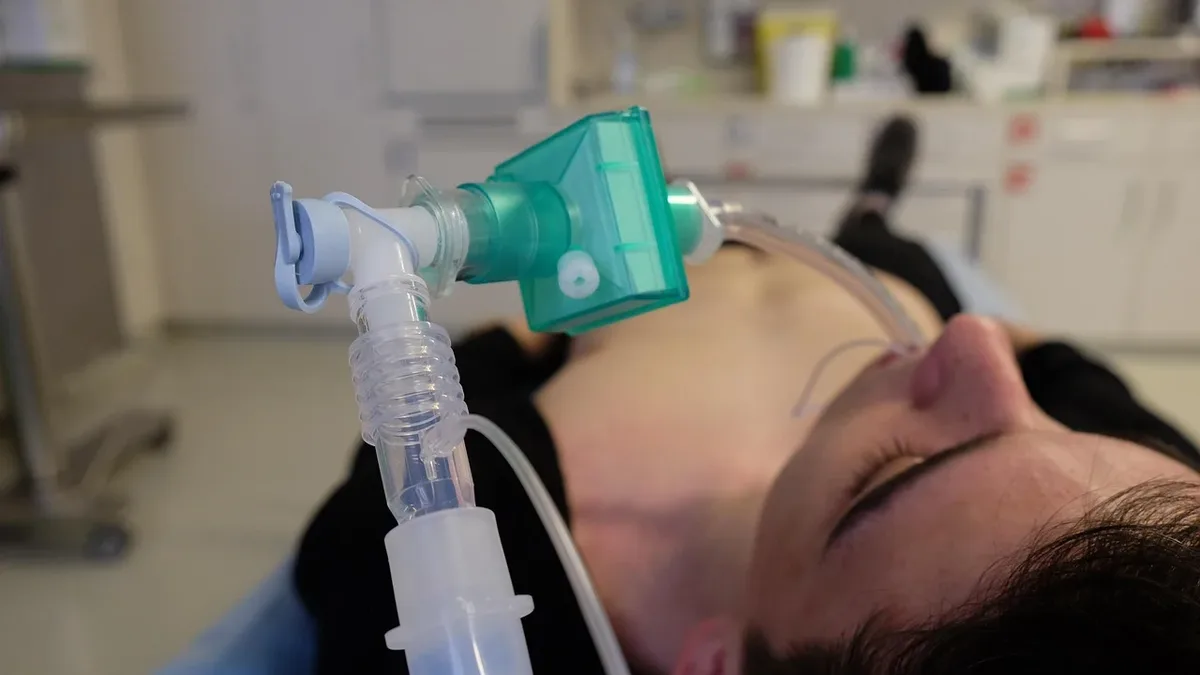
Jaw Pain Disorder Linked to Higher Sleep Apnea Risk
A new study finds patients with temporomandibular disorder are significantly more likely to screen at high risk for obstructive sleep apnea...

Grants Fund Sleep Research for Parkinson's Disease
The Michael J. Fox Foundation and Parkinson's UK have awarded grants for two research projects investigating whether improving restorative sleep can...
Noise Pollution Harms Sleep and Health, Experts Warn
Audiologist Laura Coco explains that chronic environmental noise is a significant public health hazard, disrupting sleep and contributing to...
Tsukuba Researchers Measure Sleep Quality at Population
Researchers at the University of Tsukuba are using home EEG devices, smartphone apps, and health records to objectively measure sleep quality in large
Mattress Topper Review Tests Comfort and Sleep Quality
A product reviewer tested 13 bestselling mattress toppers to assess their impact on sleep comfort, identifying top picks for budget, cooling, and firm