Sleep At Altitude
| Primary cause | Lower oxygen partial pressure (hypobaric hypoxia) |
|---|---|
| Typical altitude onset | Above 2,000 meters (approximately 6,500 feet) |
| Main physiological challenge | Periodic breathing (Cheyne-Stokes respiration) |
| Common symptoms | Frequent awakenings, shortness of breath, morning headache |
| Primary mitigation strategy | Gradual acclimatization |
| Key environmental factor | Lower atmospheric pressure |
| Original use context | Adaptation for high-altitude travel and mountaineering |
Origin and history
The documented observation of sleep disruption at high altitude originates from early mountaineering and exploration expeditions in the 19th century. Scientific investigation into the specific syndrome began in earnest during the mid-20th century with increased physiological research on high-altitude adaptation. Key early studies were conducted in mountain regions such as the European Alps and the Andes, where researchers could observe climbers and indigenous populations. The term "sleep at altitude" refers not to a single invention but to the collective understanding of a physiological condition faced by lowlanders ascending above approximately 2,500 meters. Research expanded significantly in the latter half of the 20th century with the establishment of high-altitude research stations. This body of work has defined the problem as a combination of periodic breathing and environmental factors inherent to hypoxic conditions.
What it is for
The study and management of sleep at altitude is for individuals who travel to or reside at high elevations, typically above 2,500 meters (8,200 feet). It is primarily intended for trekkers, mountaineers, ski tourists, and workers who must operate in high-altitude environments. The purpose of understanding this problem is to mitigate its effects, which include severe sleep fragmentation and consequent daytime fatigue. This knowledge aims to support safer acclimatization and improve overall performance and well-being during high-altitude exposure. It is also relevant for medical professionals advising patients with pre-existing conditions who plan high-altitude travel. Ultimately, the routines and treatments developed are for preventing the exacerbation of acute mountain sickness through poor sleep.
Overview
Sleep at altitude is characterized by a predictable pattern of sleep architecture disruption caused by the hypoxic environment. The primary physiological mechanism is periodic breathing, also known as Cheyne-Stokes respiration, which involves alternating cycles of hyperventilation and apnea (cessation of breathing). This leads to frequent arousals from sleep, often without full awakening, preventing restorative deep sleep and REM sleep. Environmental factors common at altitude, such as cold temperatures, uncomfortable sleeping arrangements, and noise, further degrade sleep quality. The condition is distinct from insomnia and is considered a normal physiological response to acute hypoxia in unacclimatized individuals. While severity increases with elevation, individual susceptibility varies greatly based on genetic factors and rate of ascent.
What to know
Acclimatization is the primary natural process that gradually improves sleep at altitude over a period of days to weeks, as the body adjusts its ventilatory response. A slow, graded ascent profile is the most critical non-pharmacological strategy for minimizing sleep disruption. Pharmacological interventions may include acetazolamide, a carbonic anhydrase inhibitor that stimulates ventilation and can reduce periodic breathing. Supplemental oxygen, if available, will resolve the hypoxic stimulus and normalize sleep but is often impractical in field settings. Sleeping at a lower elevation than the maximum altitude reached during the day, known as "climb high, sleep low," is a proven tactical approach. It is also important to know that alcohol and sedative-hypnotic medications like traditional sleep aids can depress respiration and worsen hypoxemia, making them generally contraindicated.
Common questions
A common question is whether everyone experiences poor sleep at altitude, and the answer is that while nearly all lowlanders will experience some disruption, the severity is highly individual. People often ask if physical fitness offers protection, and while fitness aids overall acclimatization, it does not confer specific immunity to sleep-related periodic breathing. Many inquire about the use of melatonin, but evidence for its effectiveness specifically for altitude-induced sleep fragmentation is limited and it does not address the root cause of hypoxia. Travelers frequently question how long it takes for sleep to normalize, which typically requires several nights at a stable altitude as ventilatory acclimatization progresses. Another frequent concern is the relationship between sleep disturbance and acute mountain sickness, as fragmented sleep can be both a symptom and an aggravating factor for AMS. Individuals also ask about portable positive pressure devices, which are not a standard solution and are primarily used for treating pre-existing sleep apnea, not typical altitude-induced periodic breathing.
Pros and cons
The primary pro of focusing on sleep management at altitude is that it directly supports safer acclimatization and reduces daytime impairment, which is crucial for decision-making in remote environments. Using a proven medication like acetazolamide can provide a significant, measurable reduction in periodic breathing and improve sleep architecture for many individuals. The major con is that no intervention is universally effective, and some individuals will experience profound sleep disruption regardless of precautions, leading to trip abandonment. A common mistake is the misuse of traditional sedatives, which suppress arousal responses to apnea and can dangerously lower blood oxygen saturation. Many people regret relying solely on over-the-counter sleep aids without understanding their respiratory effects at elevation. Furthermore, an over-reliance on medication can sometimes lead to neglecting the fundamental importance of a slow ascent profile, which is the most reliable factor.
Who it suits
Sleep management strategies at altitude suit healthy, non-pregnant adults undertaking voluntary exposure to high elevations for recreation or work. It is particularly suited to individuals with a known history of significant altitude-related sleep disturbance or acute mountain sickness on prior ascents. Those who can commit to a flexible itinerary allowing for extra acclimatization days will benefit most from non-pharmacological approaches. The use of prophylactic medication like acetazolamide is best suited for individuals on rapid, unavoidable ascents, such as flying directly to a high-altitude destination. It is less suited for individuals with certain contraindications, including sulfa allergies (for acetazolamide) or severe respiratory conditions like COPD. Ultimately, anyone planning sustained time above 2,500 meters should be informed about this problem, but active intervention suits those with prior experience of its debilitating effects.
Latest Sleep At Altitude news
Latest reporting
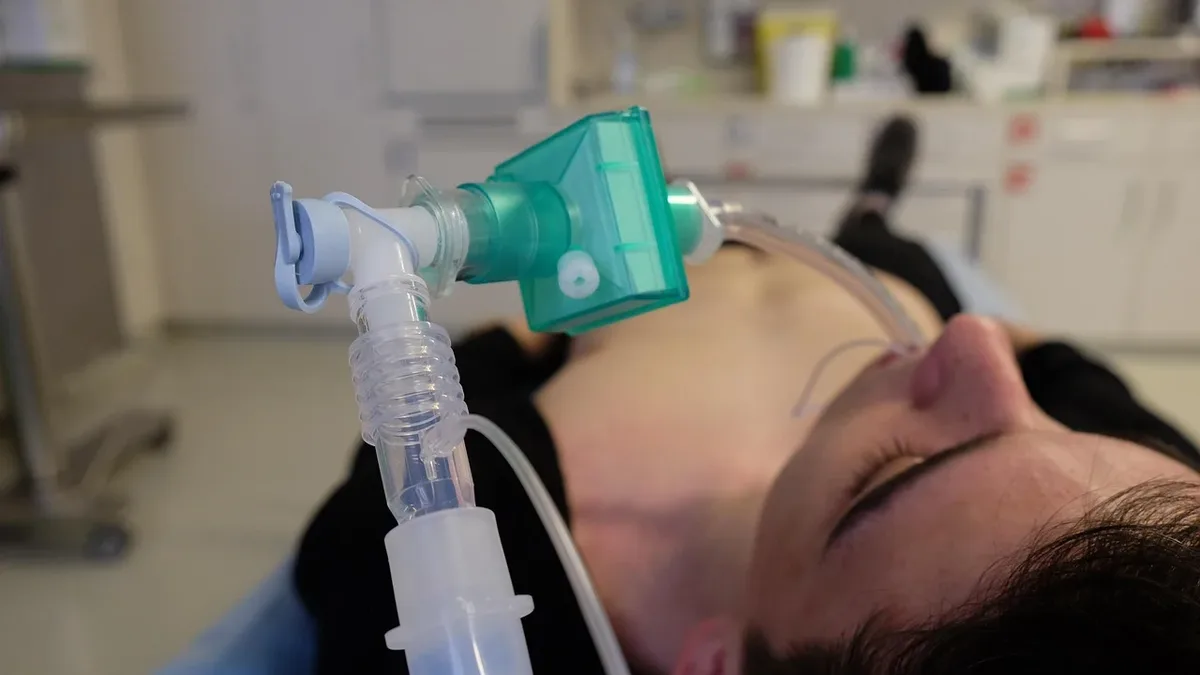
Jaw Pain Disorder Linked to Higher Sleep Apnea Risk
A new study finds patients with temporomandibular disorder are significantly more likely to screen at high risk for obstructive sleep apnea...

Grants Fund Sleep Research for Parkinson's Disease
The Michael J. Fox Foundation and Parkinson's UK have awarded grants for two research projects investigating whether improving restorative sleep can...

Noise Pollution Harms Sleep and Health, Experts Warn
Audiologist Laura Coco explains that chronic environmental noise is a significant public health hazard, disrupting sleep and contributing to...

Tsukuba Researchers Measure Sleep Quality at Population
Researchers at the University of Tsukuba are using home EEG devices, smartphone apps, and health records to objectively measure sleep quality in large

Mattress Topper Review Tests Comfort and Sleep Quality
A product reviewer tested 13 bestselling mattress toppers to assess their impact on sleep comfort, identifying top picks for budget, cooling, and firm
Study Links REM and Deep Sleep to Lower Disease Risk
A large UK Biobank study finds higher amounts of REM and deep sleep are linked to lower risks for dozens of diseases, with less than five hours of...