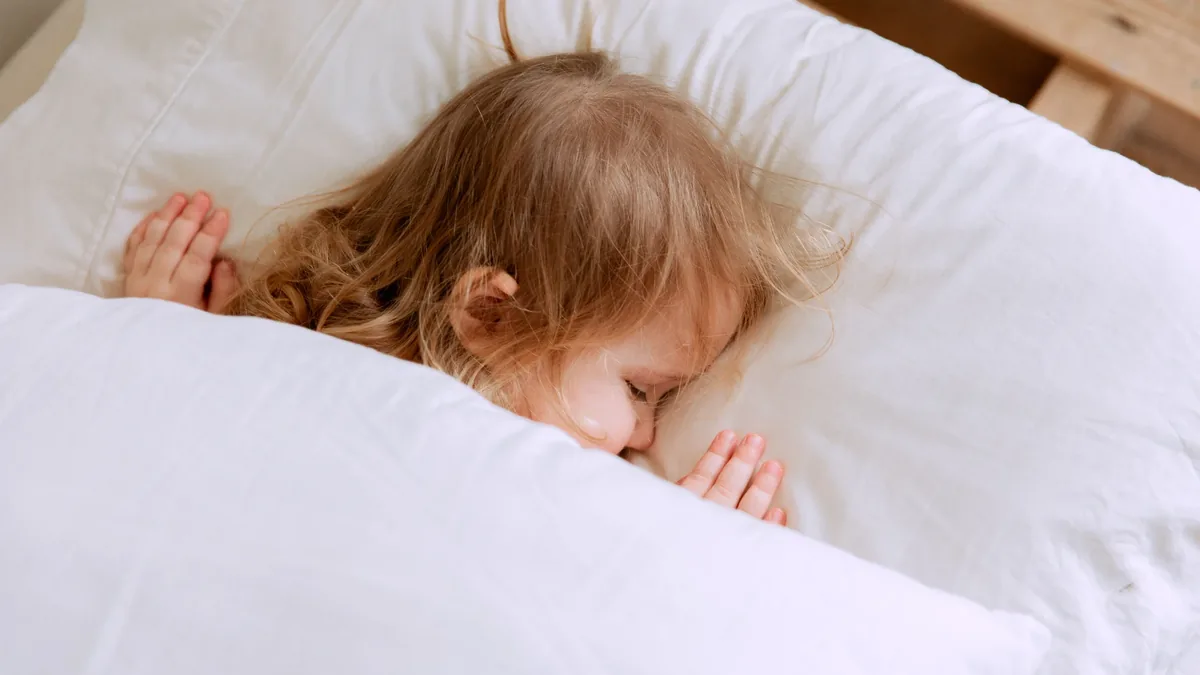
Sleep In Adolescence
| Age range affected | Adolescence (typically 13-19 years) |
|---|---|
| Primary symptom pattern | Delayed sleep phase |
| Common causes | Biological circadian shift, social/behavioral factors |
| Core treatment approach | Chronotherapy (e.g., light therapy, melatonin, sleep schedule adjustment) |
| Key lifestyle recommendation | Consistent sleep-wake times, reduced evening screen use |
| Original use of term | Medical/psychological classification of age-related sleep pattern disturbance |
| First documented | Late 20th century |
Origin and history
The study of sleep patterns specific to adolescence emerged as a distinct area of scientific inquiry in the late 20th century, primarily from research institutions in the United States and Europe. Prior to this period, adolescent sleep difficulties were often dismissed as behavioral choices or laziness. The formal identification of a biologically driven shift in circadian rhythm during puberty was a key development in the 1990s. This research established that the problem is not a modern cultural phenomenon but a near-universal biological transition. Historical sleep studies from earlier decades largely focused on adult or infant sleep, leaving a gap in understanding the teenage years. The consolidation of this research field led to the coining of terms like "delayed sleep phase syndrome" to describe the common adolescent pattern.
What it is for
This body of knowledge is for understanding and addressing the chronic sleep deprivation common in adolescents aged approximately 12 to 18 years. It is specifically for mitigating the conflict between biological sleep drive, societal schedules, and developmental needs. The routines derived from this knowledge are for reducing daytime sleepiness and improving alertness for academic and co-curricular activities. It is for supporting emotional regulation and mental health, which are tightly linked to sleep quality during this life stage. Furthermore, it is for educating parents, educators, and healthcare providers on the biological underpinnings of adolescent sleep patterns. Ultimately, it is for informing policy discussions, such as school start time delays, based on physiological evidence rather than convention.
Overview
Sleep in adolescence is characterized by a biologically driven shift in circadian timing, leading to a natural preference for later sleep and wake times. This phase delay, combined with early school start times, results in a significant sleep deficit for a majority of teenagers. The problem encompasses both insufficient sleep duration and misaligned sleep timing relative to social obligations. Key physiological changes include a later evening release of melatonin, the sleep-promoting hormone, making it difficult for adolescents to fall asleep early. Concurrent developmental demands for roughly 8 to 10 hours of sleep per night are rarely met in this schedule conflict. The resulting chronic sleep deprivation impacts cognitive function, learning, mood, and physical health.
What to know
It is crucial to know that the tendency to stay up late is primarily biological, not solely a matter of defiance or excessive screen time. Know that simply enforcing an earlier bedtime is often ineffective and can increase frustration for both parent and teen. Understanding the powerful influence of light exposure is essential, as evening light from electronics further delays the circadian clock. It is important to know that sleep deprivation in this age group directly impairs prefrontal cortex function, affecting judgment, impulse control, and complex thinking. Know that caffeine consumption, often used to combat daytime sleepiness, can exacerbate the problem by interfering with nighttime sleep. Furthermore, one should know that this sleep pattern is temporary, typically beginning at the onset of puberty and gradually shifting back earlier in young adulthood.
Common questions
A common question is whether teenagers can "catch up" on lost sleep during weekends. While weekend sleep-ins provide temporary relief, they often worsen the problem by further shifting the circadian clock, leading to "social jet lag" on Monday. Parents frequently ask if removing electronic devices is a complete solution; while critical, it addresses only one factor and does not override the underlying biological delay. Many inquire about the role of melatonin supplements, which should only be considered under medical guidance and are not a substitute for behavioral and environmental adjustments. A recurring question is why schools cannot simply adjust schedules, which involves complex logistical and societal challenges beyond the sleep science itself. Adolescents themselves often ask if feeling tired all the time is normal, to which the answer is that it is common but not optimal or healthy. People also question if exercise can help, and while daily physical activity promotes better sleep, it does not negate the core circadian shift.
Pros and cons
A significant pro of addressing adolescent sleep with science-backed routines is the clear improvement in academic performance, mood stability, and reduced risk of depressive symptoms. Another advantage is the potential for decreased reliance on stimulants like caffeine and fewer morning conflicts within families. The primary con is the substantial difficulty of consistent implementation in the face of homework loads, extracurricular activities, and social pressures that all extend into the evening. A common mistake is an overly rigid approach that does not allow for gradual adjustment, leading to abandonment of the routine. Many families regret attempting sudden, drastic changes during the school week instead of making incremental shifts during holidays or summer breaks. The approach can also create social friction for the adolescent, who may feel isolated from peers engaged in late-night online socializing.
Who it suits
This knowledge and these routines best suit adolescents and families who can exert a degree of control over evening and morning schedules, making consistent sleep and wake times feasible. It is particularly suited for teenagers exhibiting pronounced daytime sleepiness, irritability, or academic struggles linked to fatigue. The approach suits school districts and administrators who are evidence-oriented and willing to engage in discussions about later start times. It is also well-suited for healthcare providers, including pediatricians and school counselors, who require a factual framework for patient and family education. The routines are less suited for adolescents with highly variable work schedules or mandatory early-morning commitments that are entirely non-negotiable. Furthermore, it requires a family environment that can prioritize sleep hygiene, which can be challenging in households with significant socioeconomic constraints or chaotic living situations.
Latest Sleep In Adolescence news
Latest reporting
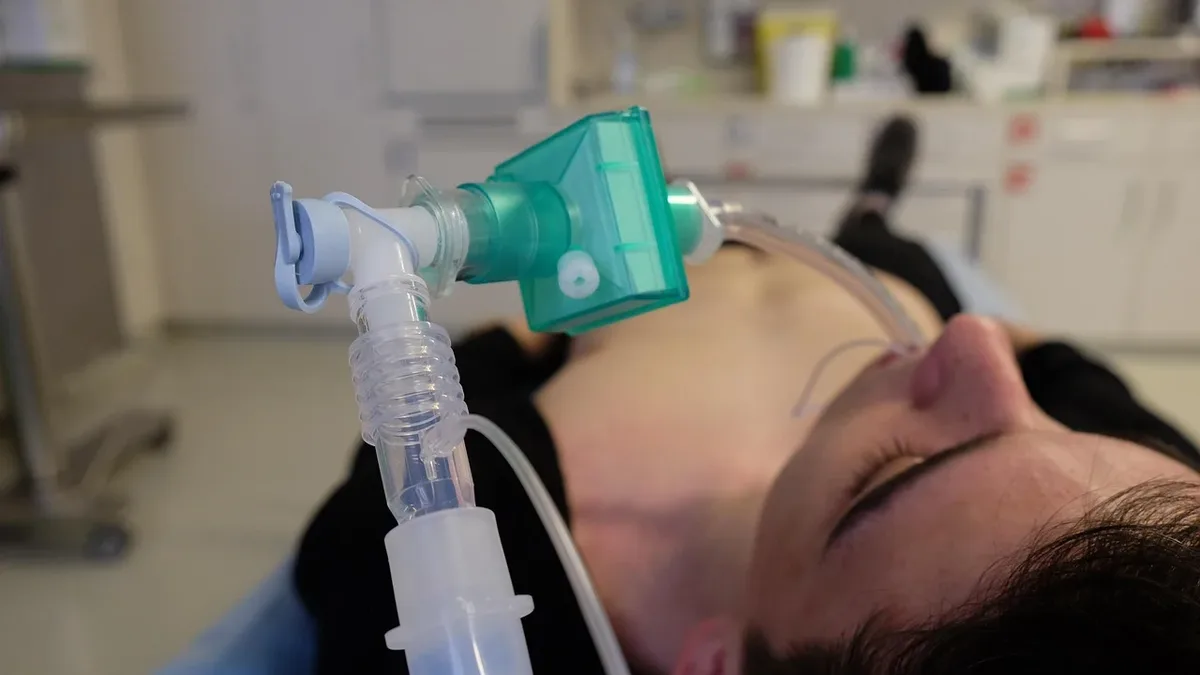
Jaw Pain Disorder Linked to Higher Sleep Apnea Risk
A new study finds patients with temporomandibular disorder are significantly more likely to screen at high risk for obstructive sleep apnea...

Grants Fund Sleep Research for Parkinson's Disease
The Michael J. Fox Foundation and Parkinson's UK have awarded grants for two research projects investigating whether improving restorative sleep can...
Noise Pollution Harms Sleep and Health, Experts Warn
Audiologist Laura Coco explains that chronic environmental noise is a significant public health hazard, disrupting sleep and contributing to...
Tsukuba Researchers Measure Sleep Quality at Population
Researchers at the University of Tsukuba are using home EEG devices, smartphone apps, and health records to objectively measure sleep quality in large
Mattress Topper Review Tests Comfort and Sleep Quality
A product reviewer tested 13 bestselling mattress toppers to assess their impact on sleep comfort, identifying top picks for budget, cooling, and firm
Study Links REM and Deep Sleep to Lower Disease Risk
A large UK Biobank study finds higher amounts of REM and deep sleep are linked to lower risks for dozens of diseases, with less than five hours of...