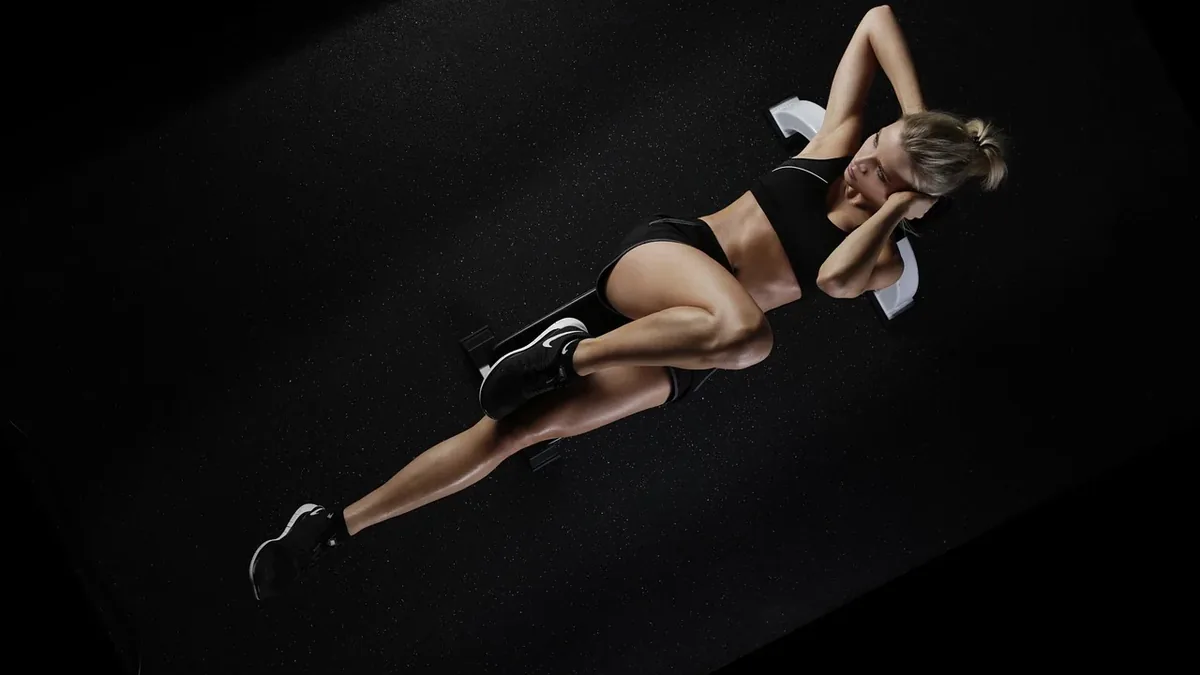
Sleep In Athletes
| Core definition | A disruption or sub-optimal pattern of sleep that negatively impacts athletic performance, recovery, or training adaptation. |
|---|---|
| Primary cause | Training schedule, travel, competition anxiety, or physiological load. |
| Common symptoms | Difficulty initiating sleep, non-restorative sleep, daytime fatigue, impaired reaction time. |
| Key treatment principle | Sleep hygiene optimization and schedule management. |
| Original use | Term used in sports medicine to categorize performance-limiting sleep issues. |
| Typical management | Structured bedtime routine, light exposure control, caffeine timing. |
| Performance impact | Reduced recovery, coordination, decision-making, and increased injury risk. |
Origin and history
The systematic study of sleep in athletes as a distinct field of inquiry originated primarily in the United States and Australia in the late 20th century. Initial research focus was often an offshoot of sports medicine and exercise physiology, examining basic recovery patterns. The field gained significant momentum in the early 2000s as sleep tracking technology became more accessible and the role of cognitive recovery in performance was better understood. Pioneering work from institutions like the Australian Institute of Sport brought structured sleep education into high-performance environments. This period saw the formalization of "sleep hygiene for athletes" as a core component of training regimens. The consolidation of research has established it as a critical sub-discipline within sports science, with dedicated conferences and journals now common.
What it is for
This area of practice is for optimizing athletic performance, recovery, and injury resilience through the management of sleep quantity and quality. It aims to mitigate the physiological and cognitive deficits caused by sleep restriction or disturbance, which are common in athletic populations. The protocols are designed to enhance muscle repair, memory consolidation for skill learning, and hormonal regulation, including the release of growth hormone. It also serves to manage the unique sleep challenges posed by competition schedules, travel across time zones, and pre-event anxiety. Furthermore, it addresses the impact of high training loads on sleep architecture and the need for strategic napping. Ultimately, it is for creating a systematic approach to sleep that supports the overall training cycle and competitive goals.
Overview
Sleep in athletes encompasses the study of sleep patterns, disorders, and interventions specific to individuals engaged in systematic, intense physical training. It recognizes that athletes are a unique population facing compounded sleep challenges from both lifestyle and physiological demands. The field integrates principles from sleep science, chronobiology, sports psychology, and nutrition to develop tailored strategies. Core components typically include sleep extension, sleep hygiene education, light exposure management for circadian alignment, and travel adaptation protocols like gradual shifting. It also involves the monitoring of sleep metrics, not in isolation, but in correlation with training load, readiness scores, and performance outcomes. The overview presents sleep not as passive rest, but as an active, measurable, and trainable component of an athlete's regimen.
What to know
Athletes often have higher sleep need than the general population, sometimes requiring 9-10 hours per night for optimal recovery, yet frequently obtain insufficient sleep. Common disruptors include early morning or late evening training sessions, muscle soreness, caffeine timing, and the use of electronic devices before bed. Competition-related stress and travel leading to jet lag are major, predictable sources of sleep degradation that require proactive management. Sleep inertia, the grogginess felt upon waking, is a critical consideration for athletes who may need to perform at dawn or shortly after a nap. It is crucial to know that sleep deprivation impairs not only physical metrics like sprint times but also tactical decision-making and emotional regulation. Importantly, sleep cannot be effectively "banked" before a period of expected deprivation, though strategic recovery sleep afterward is beneficial.
Common questions
A common question is whether napping can effectively compensate for poor nighttime sleep, with the answer being that naps are a useful supplement but not a full replacement for consolidated nocturnal sleep. Many ask about the optimal duration for a nap, which is typically either a short 20-30 minute power nap to avoid sleep inertia or a full 90-minute cycle to complete a sleep cycle. Athletes frequently inquire about the impact of sleep aids, with general guidance favoring behavioral and environmental interventions over pharmacological solutions due to potential side-effects and tolerance. Another recurring question concerns the best sleep trackers, where the emphasis is placed on consistent use of a single device for trend analysis rather than absolute accuracy. Individuals often wonder if they should force themselves to sleep earlier, with advice usually focusing on a gradual shift of bedtime and strong morning light exposure. Questions also arise about sleeping in altitude tents or with hypoxia, which are distinct interventions not directly related to core sleep hygiene practices.
Pros and cons
A significant pro is that improving sleep is a legal, cost-effective performance enhancer that synergizes with all other training inputs. Effective sleep management can lead to measurable improvements in reaction time, accuracy, endurance, and mood, providing a competitive edge. It also reduces injury risk and illness rates, supporting consistent training availability. A primary con is the substantial time commitment required for sleep extension, which can conflict with social, educational, or work obligations, leading to non-adherence. The rigid structure of sleep hygiene routines can become a source of stress or obsession for some athletes, paradoxically harming sleep. A common mistake is implementing aggressive, unrealistic changes all at once rather than making incremental, sustainable adjustments, which often leads to abandonment of the protocol. Individuals who thrive on spontaneity or who are in environments with uncontrollable schedules may regret the rigid planning involved.
Who it suits
This approach best suits elite or highly committed amateur athletes whose performance margins are small and for whom recovery is a professional priority. It is particularly suited to athletes in skill-based, tactical, or reaction-time sensitive sports where cognitive function is paramount. Individuals who travel frequently for competition, especially across multiple time zones, will find specific protocols within this field essential. It suits athletes who are naturally systematic and data-driven, as they can effectively monitor and adjust based on sleep metrics and subjective feelings. The routines are also well-suited for teams or organizations with the resources to provide sleep education, controlled environments, and consistent schedules. Conversely, it is less suited for casual exercisers or those in early developmental stages where fundamental training and enjoyment should take precedence over optimized recovery protocols.
Latest Sleep In Athletes news
Latest reporting
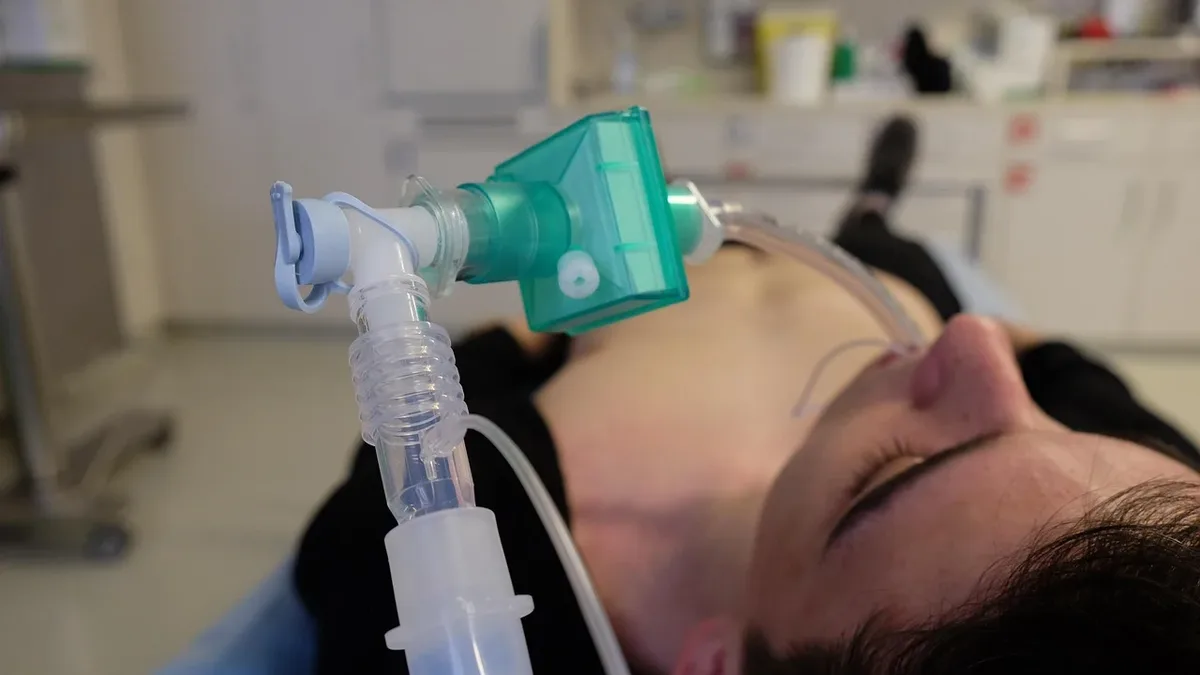
Jaw Pain Disorder Linked to Higher Sleep Apnea Risk
A new study finds patients with temporomandibular disorder are significantly more likely to screen at high risk for obstructive sleep apnea...

Grants Fund Sleep Research for Parkinson's Disease
The Michael J. Fox Foundation and Parkinson's UK have awarded grants for two research projects investigating whether improving restorative sleep can...
Noise Pollution Harms Sleep and Health, Experts Warn
Audiologist Laura Coco explains that chronic environmental noise is a significant public health hazard, disrupting sleep and contributing to...

Tsukuba Researchers Measure Sleep Quality at Population
Researchers at the University of Tsukuba are using home EEG devices, smartphone apps, and health records to objectively measure sleep quality in large
Mattress Topper Review Tests Comfort and Sleep Quality
A product reviewer tested 13 bestselling mattress toppers to assess their impact on sleep comfort, identifying top picks for budget, cooling, and firm
Study Links REM and Deep Sleep to Lower Disease Risk
A large UK Biobank study finds higher amounts of REM and deep sleep are linked to lower risks for dozens of diseases, with less than five hours of...