Sleep Myths Debunked
| Sleep problem | Sleep Myths Debunked |
|---|---|
| Common myths addressed | Multiple |
| Corrective routine | Evidence-based sleep hygiene |
| Primary source | Sleep science literature |
| Typical format | Fact-checking list |
| Target audience | General public |
| Commonly debunked claims | 5-10 per resource |
Origin and history
The systematic debunking of sleep myths emerged as a formal public health and scientific communication effort in the late 20th century, primarily in the United States and Western Europe. This effort was driven by the growing field of sleep medicine, which became a distinct medical specialty in the 1970s. Researchers and clinicians began to consistently encounter patient beliefs and behaviors based on folklore and misinformation that directly harmed sleep health. Organizations like the American Academy of Sleep Medicine and the National Sleep Foundation subsequently made myth correction a core part of public education. The proliferation of internet health information in the 1990s and 2000s further accelerated the need for authoritative sources to counter widespread inaccuracies. This established "sleep myths debunked" as a standard category of educational content within sleep science communication.
What it is for
This educational approach serves to correct widespread but inaccurate beliefs about sleep that directly impair sleep quality and health. Its primary function is to replace folklore and anecdote with evidence-based facts from sleep science, thereby guiding individuals toward healthier sleep practices. It specifically targets myths that lead to counterproductive behaviors, such as consuming alcohol as a sleep aid or drastically reducing sleep duration to increase productivity. The content also aims to reduce anxiety about sleep itself, which is a common perpetuator of insomnia, by correcting unrealistic expectations. Furthermore, it provides a foundation for understanding the rationale behind effective sleep treatments, such as cognitive behavioral therapy for insomnia. Ultimately, its purpose is to align public understanding with clinical evidence to improve overall sleep hygiene at a population level.
Overview
"Sleep myths debunked" refers to the structured correction of common misconceptions about sleep physiology, requirements, and behaviors using scientific evidence. It typically addresses a core set of enduring myths, such as the belief that the body fully adapts to chronic sleep deprivation or that snoring is always harmless. The content is disseminated through public health campaigns, clinical consultations, academic websites, and reputable media outlets specializing in science reporting. This information is not a treatment protocol itself but is a crucial psychoeducational component that underpins effective treatment adherence. It operates on the principle that correcting faulty beliefs is a necessary first step in changing maladaptive sleep-related behaviors. The overview encompasses both the myths and the clear, factual counterpoints provided by controlled research.
What to know
A key fact is that many sleep myths are culturally reinforced and can be resistant to change because they are often rooted in partial truths or outdated science. It is important to understand that debunking requires citing specific, high-quality studies, such as those published in peer-reviewed journals like *Sleep* or the *Journal of Clinical Sleep Medicine*. One should know that myth correction often involves explaining the difference between sleep *quantity* and sleep *quality*, as myths frequently confuse the two. Readers must be aware that sources matter immensely, as the same myths are often perpetuated by non-expert websites and social media. It is also critical to recognize that some myths are dangerous, such as those minimizing sleep apnea symptoms, and require urgent correction and professional consultation. Finally, know that effective debunking presents the fact in a clear, accessible manner without using overly technical jargon that could create a new barrier to understanding.
Common questions
People often ask if they truly need eight hours of sleep, given the myth of the "short sleeper," and the evidence confirms that the vast majority of adults require 7-9 hours for optimal health. A frequent question concerns whether waking up at night means one has poor sleep, and the response clarifies that brief awakenings are a normal part of the sleep cycle. Many inquire if exercise too close to bedtime is harmful, and the answer details how the effect varies by individual but vigorous exercise immediately before bed is generally disruptive. Individuals commonly question the validity of "catching up" on sleep during weekends, and research indicates this does not fully reverse the metabolic and cognitive deficits accrued during weeknight deprivation. People ask if older adults need less sleep, and the science explains that sleep need remains largely constant but sleep architecture and ability to consolidate sleep change with age. Another common query is about the safety and efficacy of over-the-counter sleep aids, and the guidance emphasizes their short-term nature and potential for side effects and tolerance.
Pros and cons
A major pro is that dispelling myths can lead to immediate and cost-free improvements in sleep hygiene by stopping harmful practices. This approach empowers individuals with knowledge, reducing fear and anxiety about normal sleep experiences like hypnic jerks or dream recall. However, a significant con is that for individuals with clinical sleep disorders like insomnia, simply learning the facts is rarely a sufficient treatment and can lead to frustration if oversold as a cure. Another drawback is that poorly delivered debunking can come across as dismissive of a person's lived experience, making them less receptive to the information. A common mistake is for individuals to selectively apply the corrected information, accepting some facts while clinging to other myths that justify their preferred habits. Some people regret engaging with this material only superficially, missing nuanced explanations about individual variability and misinterpreting general guidelines as rigid rules.
Who it suits
This information is universally suitable as a foundation for anyone seeking to improve their basic sleep knowledge and hygiene, regardless of age or sleep status. It is particularly critical for parents and caregivers, as they make sleep decisions for children and often operate on generational myths about infant and adolescent sleep. Individuals beginning to experience sleep difficulties find it highly suitable as a first step in understanding potential contributing factors before seeking professional help. It is also well-suited for healthcare professionals outside sleep medicine, such as general practitioners and therapists, who need accurate talking points for patient education. However, it is less suited as a standalone resource for individuals with diagnosed chronic insomnia, sleep apnea, or other medical sleep disorders, who require structured treatment beyond education. Finally, it suits educators and employers who wish to promote wellness programs based on scientific evidence rather than popular productivity fads.
Latest Sleep Myths Debunked news
Latest reporting
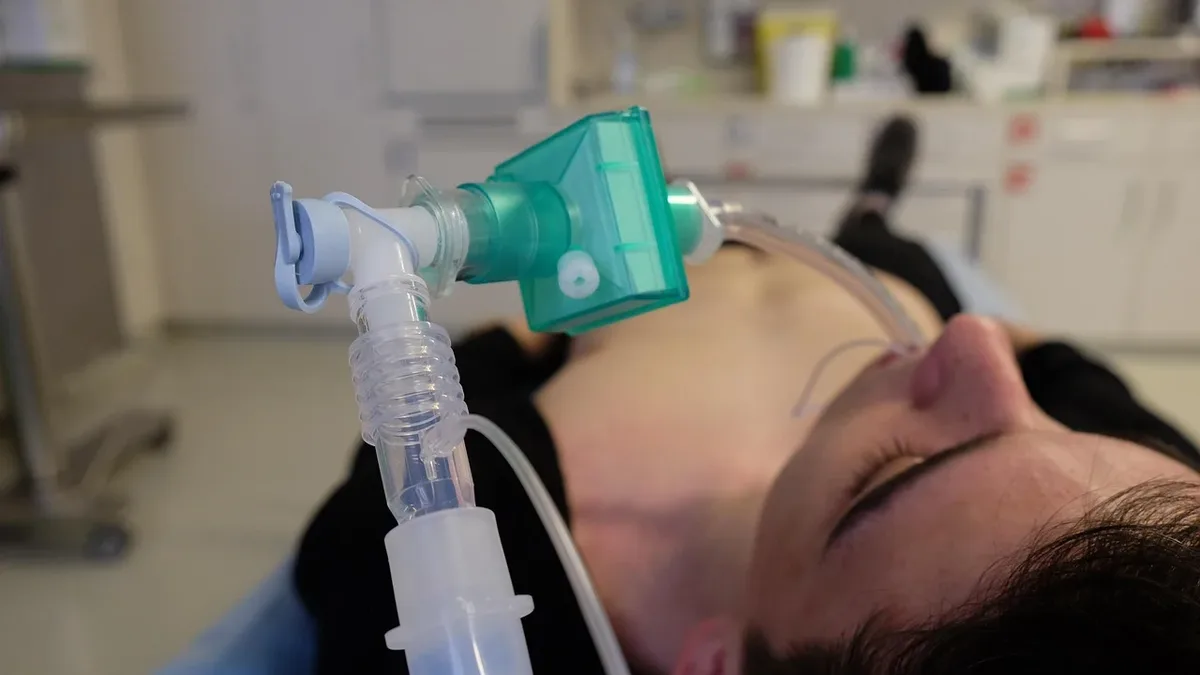
Jaw Pain Disorder Linked to Higher Sleep Apnea Risk
A new study finds patients with temporomandibular disorder are significantly more likely to screen at high risk for obstructive sleep apnea...

Grants Fund Sleep Research for Parkinson's Disease
The Michael J. Fox Foundation and Parkinson's UK have awarded grants for two research projects investigating whether improving restorative sleep can...

Noise Pollution Harms Sleep and Health, Experts Warn
Audiologist Laura Coco explains that chronic environmental noise is a significant public health hazard, disrupting sleep and contributing to...
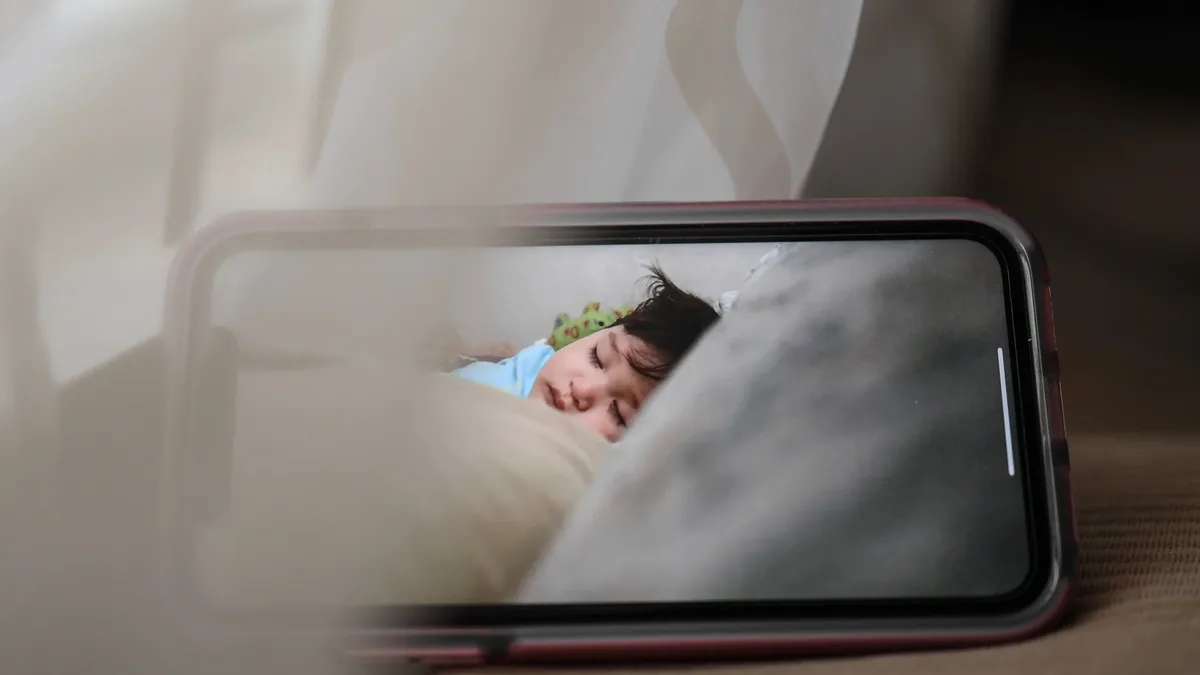
Tsukuba Researchers Measure Sleep Quality at Population
Researchers at the University of Tsukuba are using home EEG devices, smartphone apps, and health records to objectively measure sleep quality in large
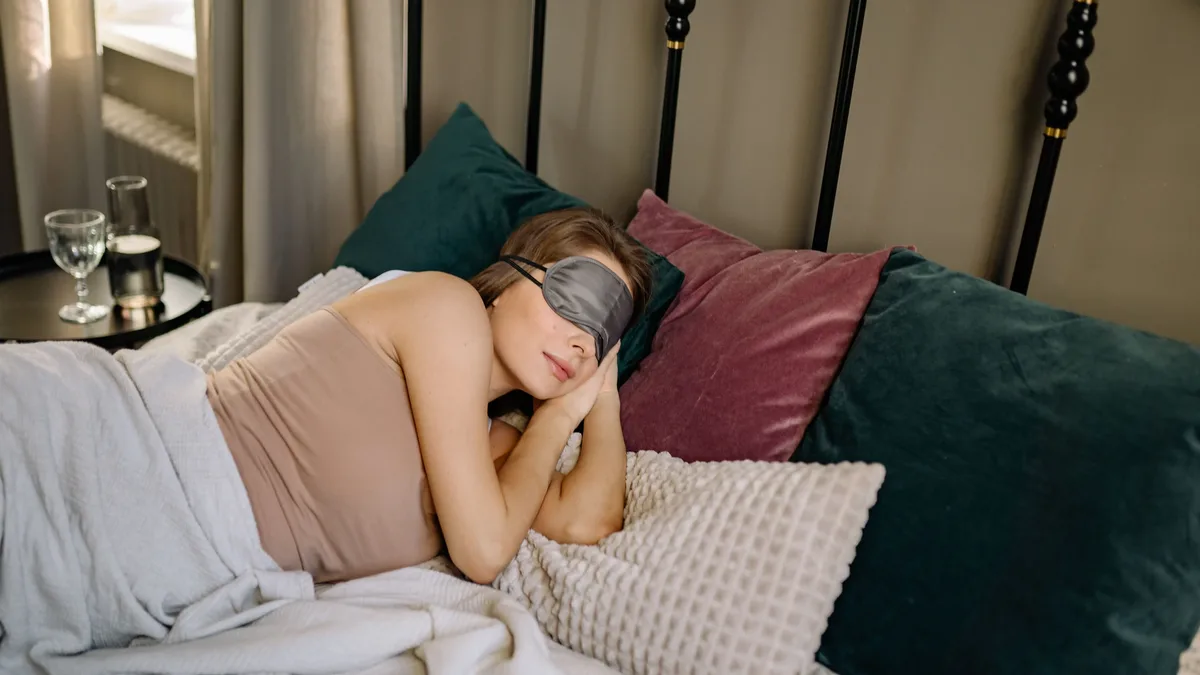
Mattress Topper Review Tests Comfort and Sleep Quality
A product reviewer tested 13 bestselling mattress toppers to assess their impact on sleep comfort, identifying top picks for budget, cooling, and firm
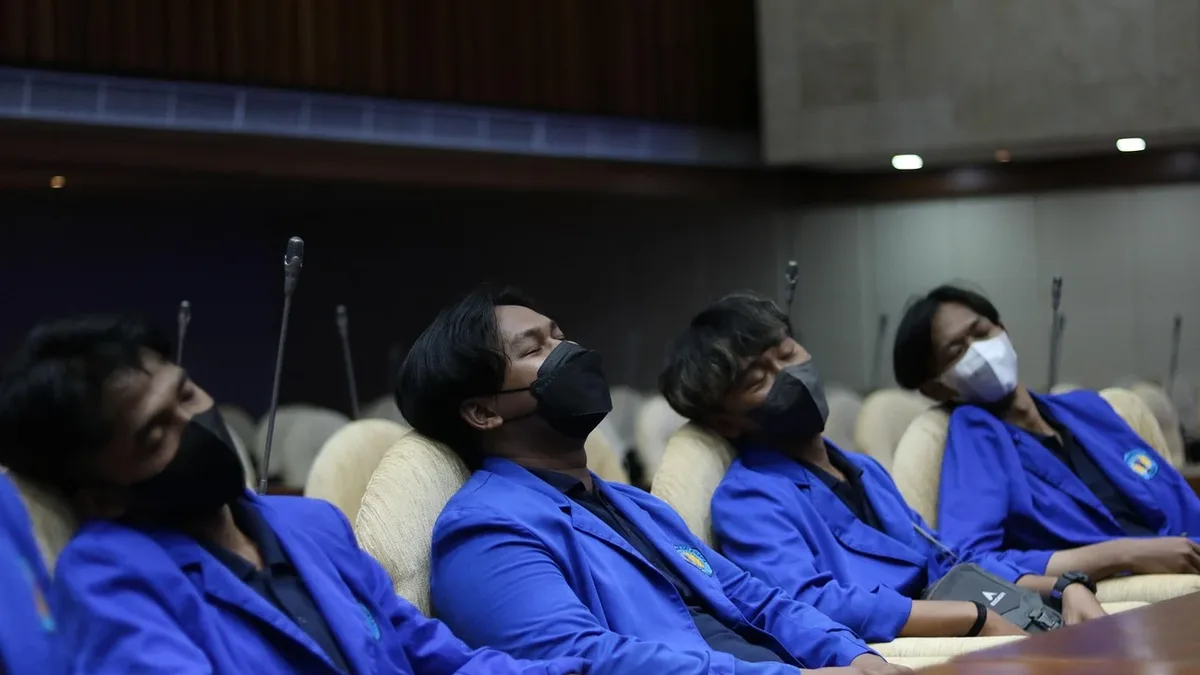
Study Links REM and Deep Sleep to Lower Disease Risk
A large UK Biobank study finds higher amounts of REM and deep sleep are linked to lower risks for dozens of diseases, with less than five hours of...