What A Sleep Study Costs
| Type of facility | Hospital sleep lab, independent clinic, or at-home test |
|---|---|
| Typical cost range | Varies widely by country, insurance, and test type |
| Common components | Polysomnography (PSG), Multiple Sleep Latency Test (MSLT) |
| Duration of in-lab study | Overnight (approx. 8-12 hours) |
| What is measured | Brain waves, eye movement, muscle activity, heart rhythm, breathing, blood oxygen |
| Primary diagnostic purpose | Sleep apnea, narcolepsy, periodic limb movement disorder, parasomnias |
| Report turnaround | Typically several weeks |
| Follow-up step | Review of results with a sleep specialist |
Origin and history
The concept of a sleep study cost emerged in the late 20th century alongside the clinical development and insurance coverage of polysomnography. It originated primarily in the United States healthcare system, where patient cost-sharing and variable insurance plans created a direct need for price transparency. The specific phrase "what a sleep study costs" became a common patient inquiry with the rise of consumer-directed health plans and high-deductible insurance in the early 2000s. It reflects a shift towards patients bearing more financial responsibility for diagnostic procedures and seeking to understand their potential liabilities. The topic gained further prominence with online medical cost comparison tools and legislative pushes for healthcare price transparency in the 2010s. It is now a standard consideration in many healthcare systems where patients contribute directly to the cost of their care.
What it is for
Understanding what a sleep study costs is for financial planning and informed healthcare decision-making prior to undergoing diagnostic testing. It allows a patient to anticipate out-of-pocket expenses and avoid unexpected medical bills that can cause significant stress. This knowledge is used to compare prices between different sleep clinics, hospitals, and independent diagnostic testing facilities. It is also for navigating insurance benefits, such as determining deductibles, co-insurance rates, and whether pre-authorization is required. Patients use this information to budget for the procedure or explore financial assistance programs if the cost is prohibitive. Furthermore, it serves as a practical checkpoint to confirm the medical necessity of the test with a provider before committing.
Overview
A sleep study, or polysomnography, is a comprehensive test that records brain waves, blood oxygen levels, heart rate, breathing, and eye and leg movements during sleep. The cost of this test is not a single fixed price but a complex amalgamation of facility fees, professional fees for physician interpretation, and technical charges. In many regions, the total cost is divided into two main billing components: one for the use of the sleep lab and its equipment, and another for the board-certified sleep specialist who analyzes the data. The setting significantly influences price, with hospital-based labs often being more expensive than free-standing clinics or home sleep apnea tests. The final price a patient pays is almost entirely determined by their insurance plan's contract rates, their deductible status, and their co-insurance percentage. Without insurance, the list price or "chargemaster" rate can be substantially higher than the negotiated rates insurers pay.
What to know
You should know that receiving an accurate price quote for a sleep study is notoriously difficult without providing your specific insurance information to the provider's billing department. The diagnostic code for your suspected condition and the procedural codes for the study must be submitted to your insurer for a personalized estimate of patient responsibility. It is critical to confirm whether the sleep center, the interpreting physician, and any consulting physicians are all within your insurance network, as out-of-network care can lead to balance billing. Understand that a full, in-lab polysomnogram is typically more expensive than a simplified home sleep apnea test, which is only appropriate for diagnosing obstructive sleep apnea. Many facilities require a deposit or payment of the estimated patient portion before the study is conducted. Always request a detailed, itemized bill after the procedure to verify you were charged only for services rendered.
Common questions
A common question is whether the cost is the same for a split-night study, where diagnosis and treatment with a CPAP machine occur in one session; typically, the billing codes differ and the cost can be higher due to the added titration procedure. Patients frequently ask if they can shop around for a better price, and the answer is yes, though price comparison is complicated by the need for insurance-specific quotes from each facility. Many people inquire about the cost difference between an in-lab study and an at-home test, with home studies generally costing one-third to one-half the price of an in-lab study. A recurring question is about payment plans, and most sleep clinics offer these, though interest rates and terms vary widely. People often wonder if Medicare covers sleep studies, and it does when medically necessary, but specific coverage rules and participating facilities must be verified. Another frequent question concerns the cost of a follow-up study after treatment, which is often similar to the initial test unless it is a simpler titration study.
Pros and cons
A primary pro of researching the cost is gaining financial control and avoiding debilitating surprise bills, allowing for planned use of health savings accounts or flexible spending accounts. It can motivate patients to fully understand their insurance benefits and proactively communicate with both their doctor and insurer. A significant con is that the process of obtaining a clear cost is often time-consuming, frustrating, and opaque, requiring multiple phone calls and persistence. Many patients regret not verifying that every professional involved, from the technician to the interpreting physician, was in-network, leading to separate, unexpected bills weeks later. A common mistake is accepting a generic price range from a clinic's website or front desk without a formal insurance verification, which almost never reflects the actual patient obligation. The complexity can also deter some individuals from pursuing a medically necessary diagnosis, particularly those with high-deductible plans who face the full cost until their deductible is met.
Who it suits
This information suits patients with high-deductible health plans or significant co-insurance responsibilities who must manage healthcare costs as out-of-pocket expenses. It is critical for self-employed individuals or those without insurance, who must pay the full negotiated or cash rate and therefore benefit most from direct price shopping. It suits detail-oriented patients who are willing to make phone calls, submit pre-authorization paperwork, and meticulously review explanation of benefits statements. This knowledge is less urgent for patients with comprehensive health insurance plans that have low deductibles and co-pays for specialist diagnostics. It is also highly relevant for caregivers and family members assisting older adults or dependents in navigating the healthcare financial system. Ultimately, anyone who is financially responsible for any portion of a sleep study's cost will find that understanding these expenses is a necessary part of the modern healthcare process.
Latest What A Sleep Study Costs news
Latest reporting
Micro-Athlete heart-on-a-chip simulates
Researchers have developed a 'Micro-Athlete' platform using stem-cell-derived heart tissue on a chip to mimic exercise, aiming to study...

Study Finds High Mental Distress in Adult Survivors
A new study reveals nearly half of adult survivors of childhood leukemia experience clinical depression or anxiety, with high rates of fatigue and
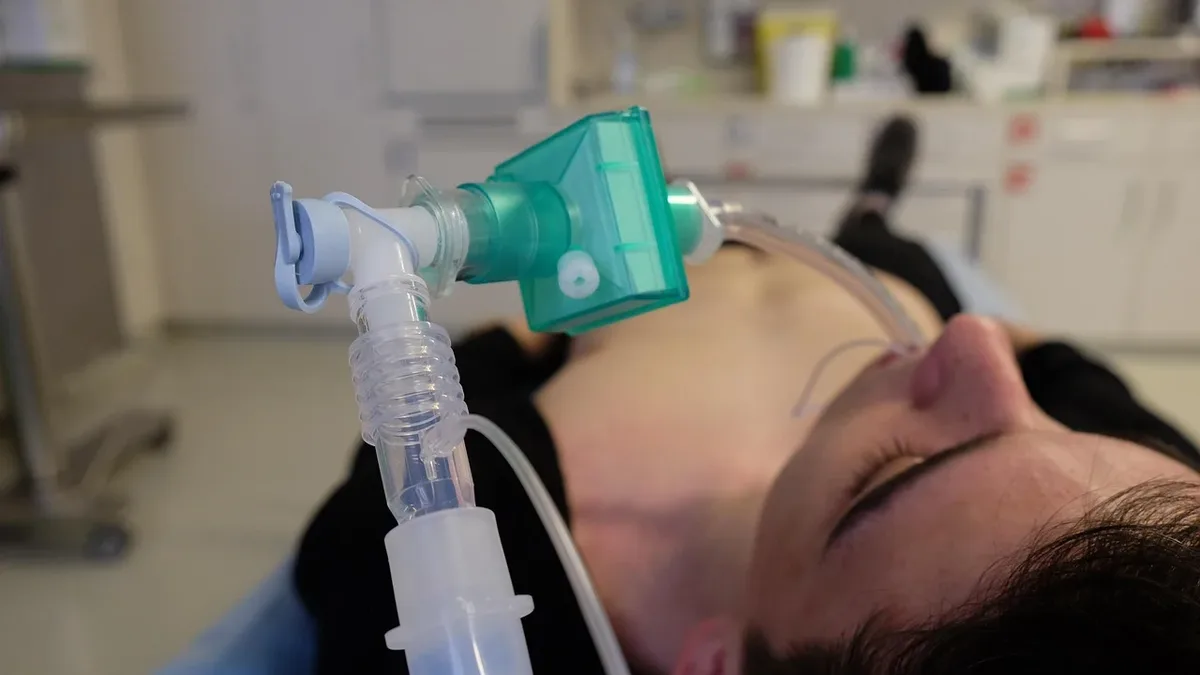
Jaw Pain Disorder Linked to Higher Sleep Apnea Risk
A new study finds patients with temporomandibular disorder are significantly more likely to screen at high risk for obstructive sleep apnea...

Grants Fund Sleep Research for Parkinson's Disease
The Michael J. Fox Foundation and Parkinson's UK have awarded grants for two research projects investigating whether improving restorative sleep can...
Fenoterol study reveals obesity drug
A University of Basel study found the drug fenoterol increased energy expenditure in 11 volunteers but did not activate brown fat, suggesting a more

Noise Pollution Harms Sleep and Health, Experts Warn
Audiologist Laura Coco explains that chronic environmental noise is a significant public health hazard, disrupting sleep and contributing to...