Where Sleep Studies Are Done, By Country
| Country of origin | United States |
|---|---|
| First created | 1960s |
| Original use | Diagnosis of sleep disorders |
| Typical setting | Hospital or dedicated sleep clinic |
| Duration of study | Overnight (8-12 hours) |
| Key measurements | Brain waves, eye movements, muscle activity, heart rate, breathing |
| Common disorders diagnosed | Sleep apnea, narcolepsy, periodic limb movement disorder |
| Alternative names | Polysomnography, PSG |
Origin and history
The systematic study of sleep in a clinical setting, known as polysomnography, originated in the United States and Germany in the mid-20th century. The foundational research into sleep stages and the discovery of REM sleep by Aserinsky and Kleitman occurred at the University of Chicago in the 1950s. This scientific breakthrough established the need for dedicated laboratories to record brain waves, eye movements, and muscle activity during sleep. The first dedicated sleep disorders clinics and centers began to emerge in the United States during the 1970s, formalizing the clinical practice. The model of the comprehensive sleep center, combining diagnostic testing with multidisciplinary treatment, was subsequently adopted and adapted by other developed nations. The global spread of sleep medicine as a specialty has led to the establishment of sleep study facilities in hospitals and private clinics worldwide, though distribution remains uneven.
What it is for
Sleep studies conducted in these facilities are primarily for the diagnosis of specific sleep disorders that cannot be adequately assessed through patient history alone. They are essential for confirming the presence and severity of sleep-related breathing disorders, most notably obstructive sleep apnea. These studies are also used to diagnose narcolepsy, idiopathic hypersomnia, and certain types of parasomnias like sleepwalking or REM sleep behavior disorder. They help in evaluating unexplained chronic insomnia, particularly when a sleep-related movement disorder like periodic limb movement disorder is suspected. The data gathered is critical for titrating the correct air pressure for positive airway pressure therapy devices used to treat sleep apnea. Furthermore, they are sometimes used to evaluate the safety and efficacy of certain treatments or interventions for sleep disorders.
Overview
Sleep studies are typically conducted in two main settings: accredited hospital-based sleep laboratories and freestanding private sleep diagnostic centers. The core procedure, an in-lab polysomnogram, involves an overnight stay where numerous physiological signals are continuously recorded by a sleep technologist. A standard setup includes electrodes on the scalp to measure brain activity, near the eyes to detect rapid eye movements, and on the chin to measure muscle tone. Additional sensors monitor breathing effort, airflow at the nose and mouth, blood oxygen levels, heart rate, and leg movements. A newer model, the home sleep apnea test, is a simplified version used specifically for screening for obstructive sleep apnea in uncomplicated cases. The interpretation of the collected data, called a polysomnogram, is performed by a sleep medicine physician who generates a diagnostic report.
What to know
Accreditation of a sleep facility by a body such as the American Academy of Sleep Medicine is a key indicator of technical and professional standards. You should know that a full in-lab study is more comprehensive and is required for the diagnosis of disorders beyond simple obstructive sleep apnea. Preparation for an in-lab study often involves avoiding caffeine and naps on the day of the test, and you will need to bring sleepwear and personal toiletries. The room is designed to resemble a hotel bedroom to encourage normal sleep, though the presence of sensors and being observed can initially affect sleep. Home sleep tests are less intrusive but are solely for apnea screening and are not suitable for patients with significant cardiopulmonary disease or other suspected sleep disorders. The results, regardless of test type, are not immediate and require scoring by a technologist and interpretation by a physician, which can take several weeks.
Common questions
A common question is whether a person will be able to sleep at all with all the wires and sensors attached. Many people sleep sufficiently for diagnostic purposes, though it is normal to sleep somewhat less deeply than at home. Patients often ask if they can get up to use the bathroom during the night, and the answer is yes, as the technologist can temporarily disconnect the central recording unit. Another frequent inquiry is about the difference between a home test and an in-lab study, with the key distinction being the breadth of data collected and the range of diagnosable conditions. People want to know if they will be watched on camera, and facilities do use infrared video monitoring for patient safety and to document behaviors like sleepwalking. Many also ask about insurance coverage, which varies widely by provider and country, and requires verification prior to the study.
Pros and cons
A significant pro of an in-lab sleep study is its diagnostic comprehensiveness, allowing for the identification of complex or multiple overlapping sleep disorders that a home test would miss. The direct supervision by a sleep technologist ensures high-quality data collection and the ability to intervene if a technical issue arises. A major con is the potential for "first-night effect," where sleeping in an unfamiliar environment leads to artificially altered sleep architecture, potentially requiring a second study. The process is also resource-intensive, leading to longer wait times for appointments and higher costs compared to home testing. Home sleep apnea tests offer greater convenience and comfort but carry the risk of insufficient or failed data, necessitating a repeat test or an in-lab study anyway. A common mistake is pursuing a home test for unexplained daytime fatigue without a physician's assessment, potentially overlooking disorders like narcolepsy or central sleep apnea that the home device cannot detect.
Who it suits
An in-lab polysomnogram best suits individuals with symptoms suggestive of complex sleep disorders beyond straightforward obstructive sleep apnea, such as narcolepsy or parasomnias. It is also necessary for patients with significant comorbidities like heart failure, neuromuscular disease, or chronic lung disease, where sleep-disordered breathing may be more complex. Those with unexplained insomnia or excessive daytime sleepiness that remains undiagnosed after a home test are also strong candidates for the full laboratory assessment. A home sleep apnea test is appropriate for patients with a high pre-test probability of moderate to severe obstructive sleep apnea and no other complicating medical or sleep-related conditions. It suits those who have significant anxiety about sleeping in a laboratory or who face logistical barriers to traveling to a sleep center. The in-lab study is ultimately suited for anyone requiring a definitive, gold-standard diagnosis to guide long-term management of a chronic sleep condition.
Latest Where Sleep Studies Are Done, By Country news
Latest reporting

Alkermes Expands Research Grants to Include Narcolepsy
Alkermes plc has broadened its annual research grant program to fund studies on narcolepsy and idiopathic hypersomnia, offering up to $100,000 per...
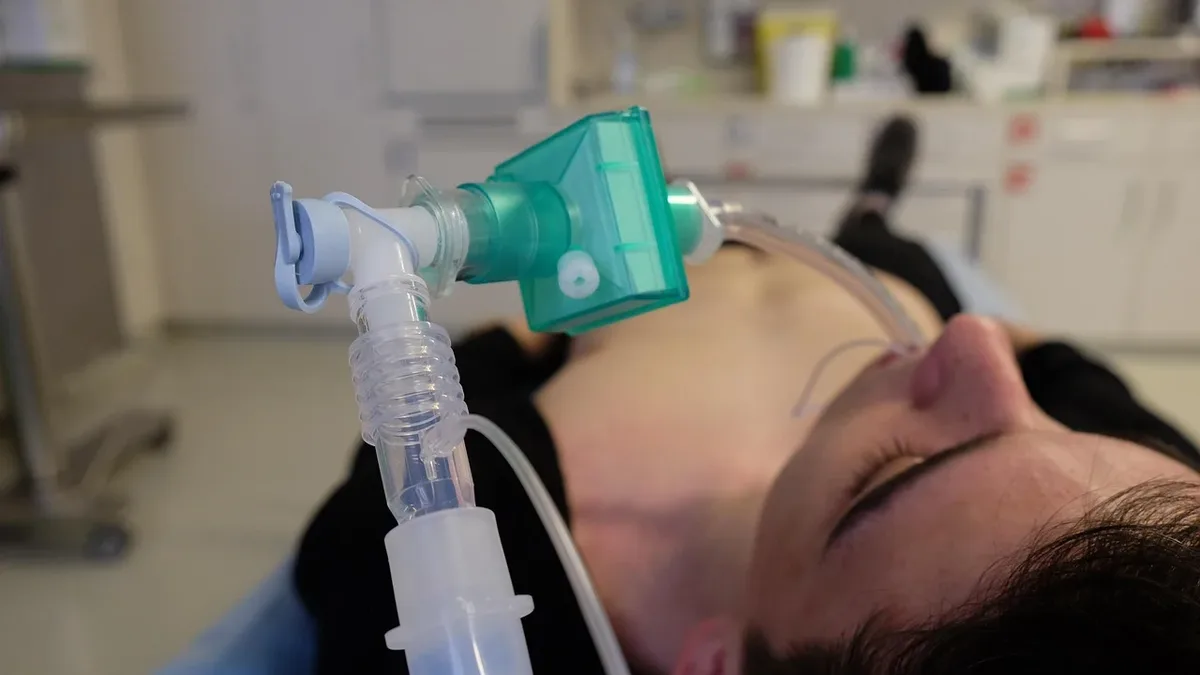
Jaw Pain Disorder Linked to Higher Sleep Apnea Risk
A new study finds patients with temporomandibular disorder are significantly more likely to screen at high risk for obstructive sleep apnea...

Grants Fund Sleep Research for Parkinson's Disease
The Michael J. Fox Foundation and Parkinson's UK have awarded grants for two research projects investigating whether improving restorative sleep can...
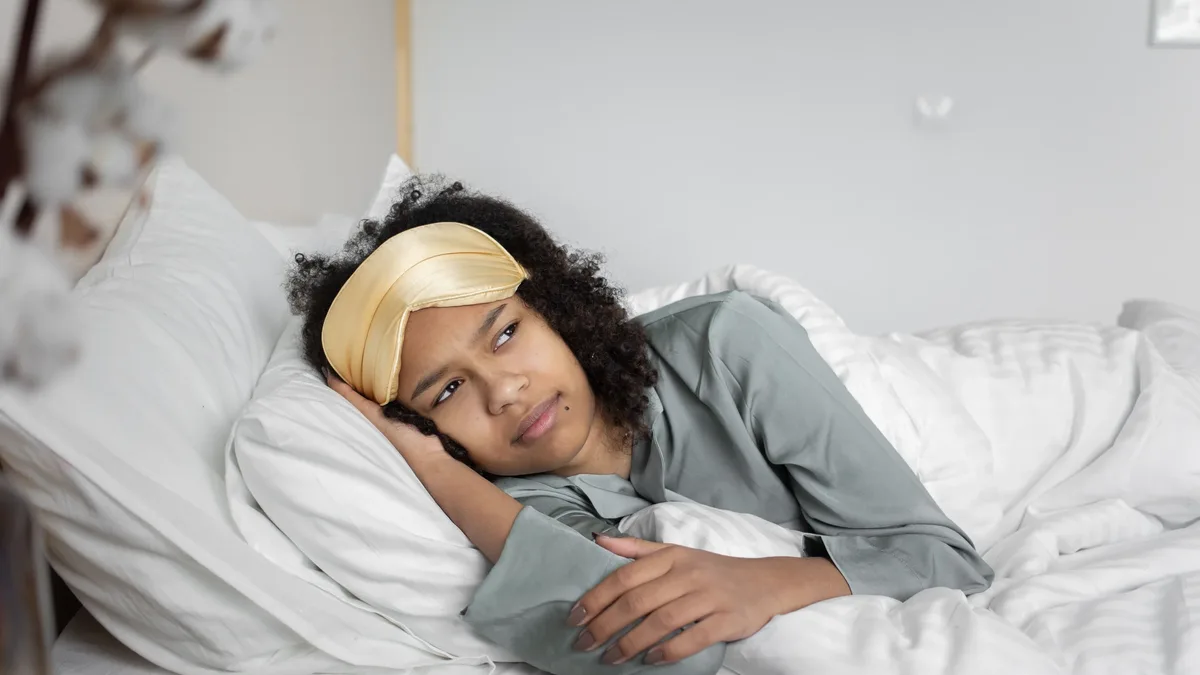
Noise Pollution Harms Sleep and Health, Experts Warn
Audiologist Laura Coco explains that chronic environmental noise is a significant public health hazard, disrupting sleep and contributing to...
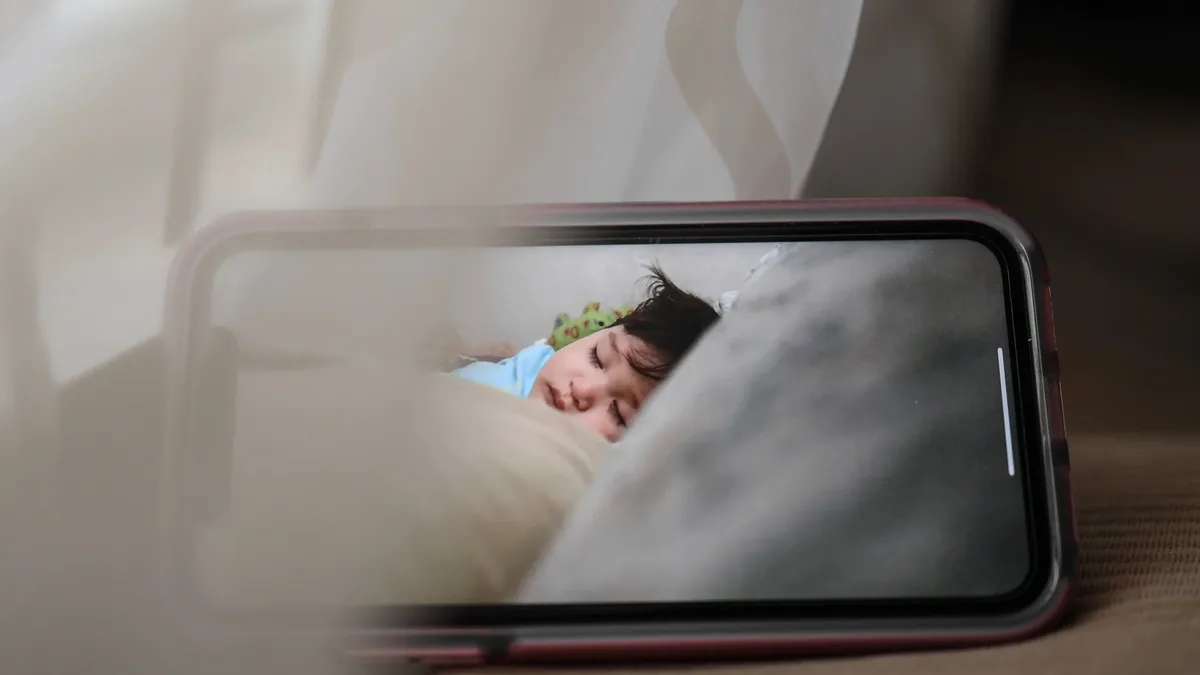
Tsukuba Researchers Measure Sleep Quality at Population
Researchers at the University of Tsukuba are using home EEG devices, smartphone apps, and health records to objectively measure sleep quality in large
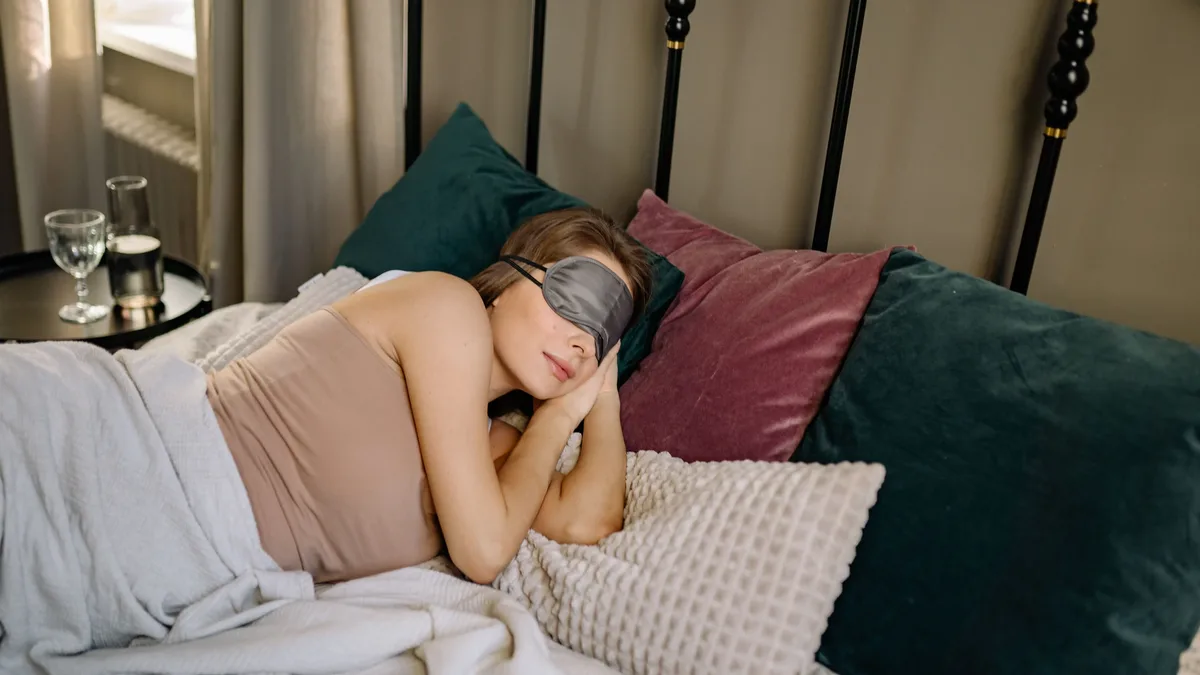
Mattress Topper Review Tests Comfort and Sleep Quality
A product reviewer tested 13 bestselling mattress toppers to assess their impact on sleep comfort, identifying top picks for budget, cooling, and firm