Getting Used To The Mask And Common Problems
| Primary symptom | Discomfort or inability to tolerate the physical interface |
|---|---|
| Common causes | Pressure points, air leaks, skin irritation, claustrophobia |
| Typical timeframe for adaptation | Several days to a few weeks |
| Standard mitigation | Proper fitting, mask type selection, gradual acclimatization |
| Frequent adjustments | Headgear tension, mask cushion type, humidifier settings |
| Original use | Treatment of sleep-related breathing disorders (e.g., obstructive sleep apnea) |
Origin and history
The process of getting used to a mask for sleep therapy, and the documentation of its common problems, originates from the development of Continuous Positive Airway Pressure (CPAP) therapy. This therapy was first pioneered in Australia in the early 1980s as a treatment for obstructive sleep apnea. The clinical challenge of patient adherence to wearing a mask throughout the night became apparent almost immediately after the therapy's introduction. By the late 1980s and 1990s, medical literature began systematically categorizing the practical barriers patients faced, such as mask discomfort and air leaks. This body of knowledge is not tied to a single product but evolved from collective clinical experience across the global sleep medicine community. The formalization of strategies to overcome these issues became a standard part of patient education and device design by the turn of the 21st century.
What it is for
This process is for individuals who have been prescribed positive airway pressure therapy, primarily CPAP or BiPAP, for sleep-disordered breathing. Its purpose is to facilitate the successful adoption and long-term use of the therapeutic device by overcoming initial physical and psychological hurdles. The goal is to transition the mask from a novel, and often intrusive, object to a normalized part of the bedtime routine. It addresses the practical interface between the patient and the machine, which is critical for the therapy to deliver its clinical benefits. Without a dedicated period of adaptation, the effectiveness of the treatment is significantly compromised due to poor adherence. Ultimately, it serves to ensure the patient can tolerate the mask long enough for the therapy to improve sleep quality and reduce health risks.
Overview
Getting used to the mask involves a deliberate and often gradual process of acclimatization to wearing a foreign object on the face during sleep. Common problems encountered include physical discomfort from the mask straps, skin irritation or pressure marks on the bridge of the nose and face, feelings of claustrophobia or anxiety, and practical issues like air leaks or dry mouth. The process is not merely passive endurance but employs specific techniques to build tolerance, such as wearing the mask during waking hours. Successful adaptation requires troubleshooting fit and comfort with different mask styles and machine settings, often in consultation with a sleep technologist or equipment provider. It is widely recognized as the most significant hurdle to long-term therapy success, separate from the underlying medical condition being treated. The overview encompasses both the physiological adjustment to pressure and the behavioral adaptation to the sensation and routine.
What to know
Know that initial discomfort and frustration are common and do not mean the therapy is unsuitable; persistence with guided adjustments is key. It is crucial to understand that multiple mask types exist, such as nasal pillows, nasal masks, and full-face masks, and finding the correct style and size is a highly individual process. Patients should know that machine features like ramp settings, which start at a lower pressure, and heated humidifiers are designed specifically to aid the adaptation period. Recognizing the difference between a normal adjustment period and an improperly fitted mask is important, as the latter will not resolve on its own. You should be aware that cleaning the mask and cushion regularly is essential for comfort, hygiene, and to maintain a proper seal. Finally, know that consulting with your healthcare provider or equipment supplier for follow-up appointments is a standard and expected part of the process, not a sign of failure.
Common questions
A common question is how long it typically takes to get used to wearing a CPAP mask, with the general guidance being a few weeks of consistent nightly use. Patients frequently ask what to do if they unconsciously remove the mask during the night, which is addressed by ensuring comfort before sleep and possibly using mask alarms. Many wonder if a feeling of suffocation is normal, which often relates to exhalation difficulty and may require adjusting pressure relief settings or mask venting. Questions about red marks on the face in the morning usually lead to advice on loosening straps for a seal that is secure but not tight, or trying a different cushion. Individuals often inquire about solutions for dry nose or mouth, which are typically managed by enabling the heated humidifier and checking for mouth leaks. People also ask if they can ever sleep without the mask after adaptation, to which the answer is that the therapy treats symptoms nightly but does not cure the anatomical cause of sleep apnea.
Pros and cons
A significant pro is that successful adaptation leads to the full therapeutic benefits of improved sleep, reduced daytime fatigue, and lowered cardiovascular risk. The process, when managed well, empowers the patient with control over their treatment and can lead to high long-term adherence. A clear con is that the adaptation period can be discouraging and physically uncomfortable, leading some individuals to abandon the therapy entirely in the first week. A common mistake is overtightening the mask straps to stop leaks, which worsens discomfort, causes skin breakdown, and can ironically create more leaks by distorting the cushion seal. Many who regret the choice often did not receive adequate initial setup or follow-up support from their equipment provider, leading to unresolved fit issues. Another drawback is the financial and emotional investment in trying multiple mask types or accessories if the first option is unsuitable, which can feel burdensome.
Who it suits
This process best suits individuals who are highly motivated to resolve their sleep symptoms and are prepared to be patient and proactive during the adjustment phase. It is suitable for patients who have access to, and are willing to utilize, professional support from sleep clinics or durable medical equipment providers for fittings and adjustments. It suits those who are comfortable with a problem-solving approach and are willing to experiment with different settings and equipment within the guidance of their prescription. The process is less suited for individuals with very low frustration tolerance or significant untreated anxiety or claustrophobia, who may require additional psychological support alongside equipment fitting. It is also a challenge for people with irregular sleep schedules or lifestyles that disrupt a consistent bedtime routine, as regularity greatly aids adaptation. Ultimately, it suits the patient who views the mask not as a cure but as a manageable long-term aid, similar to eyeglasses or a dental appliance.
Latest Getting Used To The Mask And Common Problems news
Latest reporting
My CPAP Caddy Bedside Stand Aims to Improve Therapy
An inventor has launched an adjustable bedside stand designed to organize CPAP equipment and address common frustrations like tangled hoses and
Facial Hair Poses CPAP Mask Fitting Challenge, Survey Finds
A survey of sleep professionals finds 41% identify patients with facial hair as the hardest to fit for CPAP therapy.
NIH Grant Funds At-Home VortexPAP Development
NIH awarded AcouFlow Therapeutics a grant to develop a home version of its VortexPAP device, aiming to improve CPAP adherence with a seal-less mask.
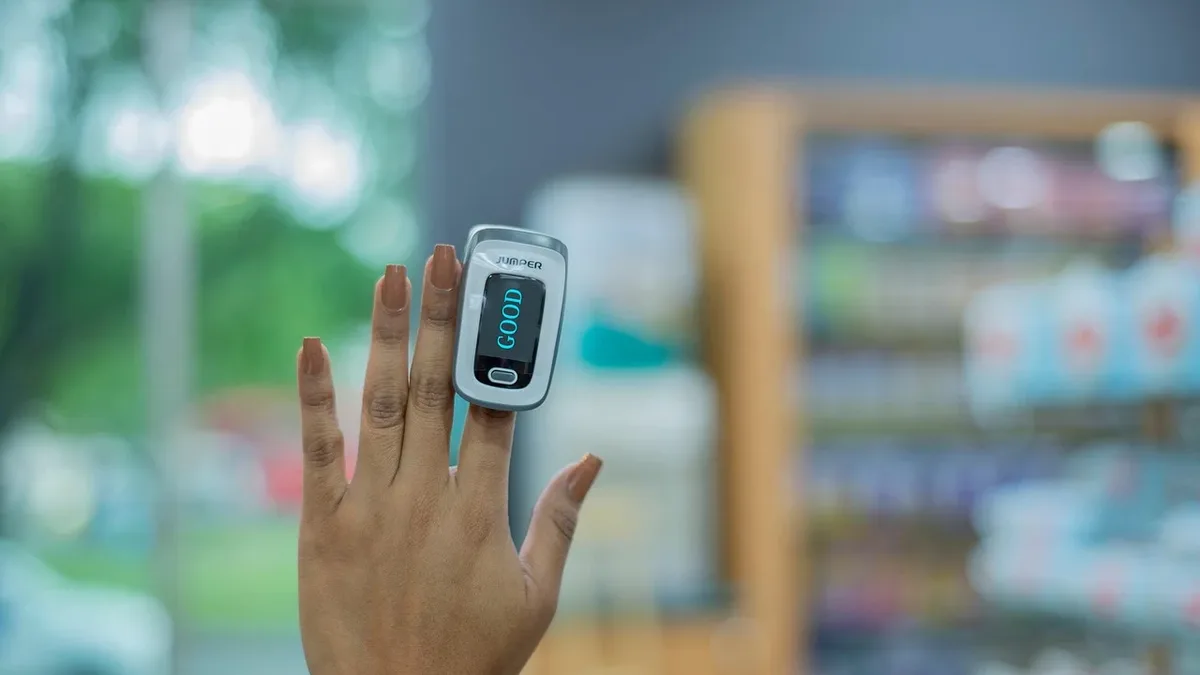
Overnight Pulse Oximetry in Sleep Medicine
A clinical report details how overnight pulse oximetry is used to prescreen for obstructive sleep apnea, monitor treatment, and streamline remote...
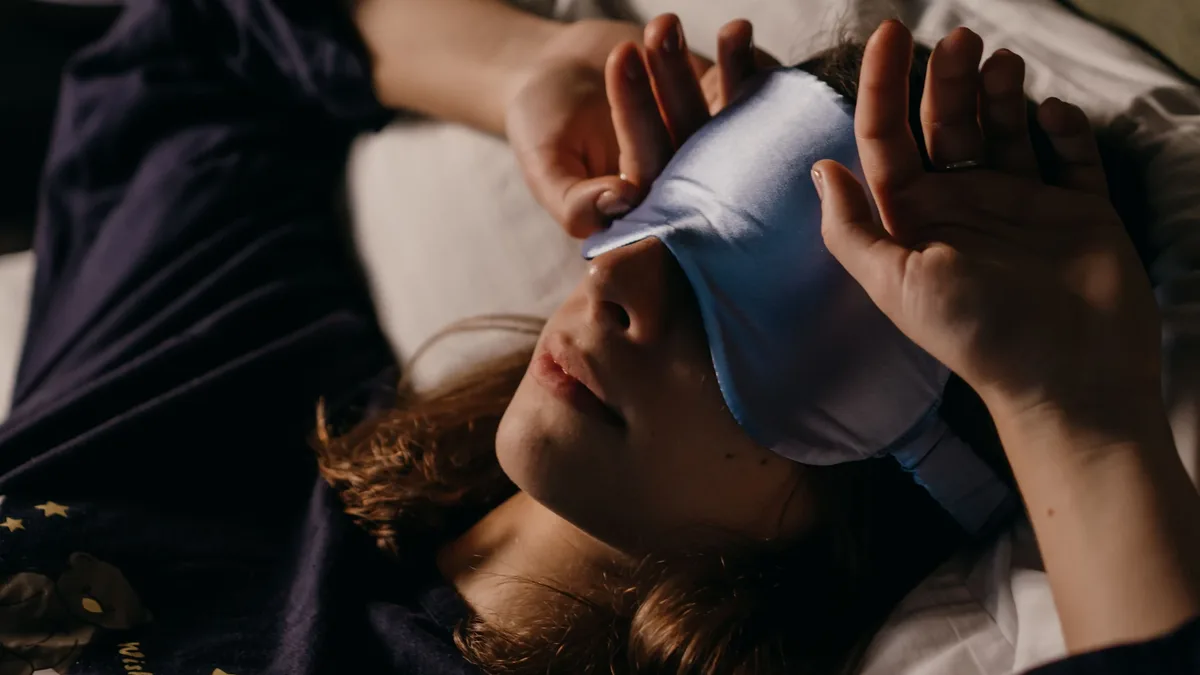
CPAP Store USA Expands Sleep Therapy Options with Inogen Aurora CPAP Mask Line
CPAP Store USA has partnered with Inogen to offer the Inogen Aurora CPAP Mask Collection nationwide, providing consumers with a new range of...

A Spike in Broken Oral Appliance Reports Raises Questions
A recent study published in the Journal of Clinical Sleep Medicine has found a significant increase in adverse event reports for oral appliances used...